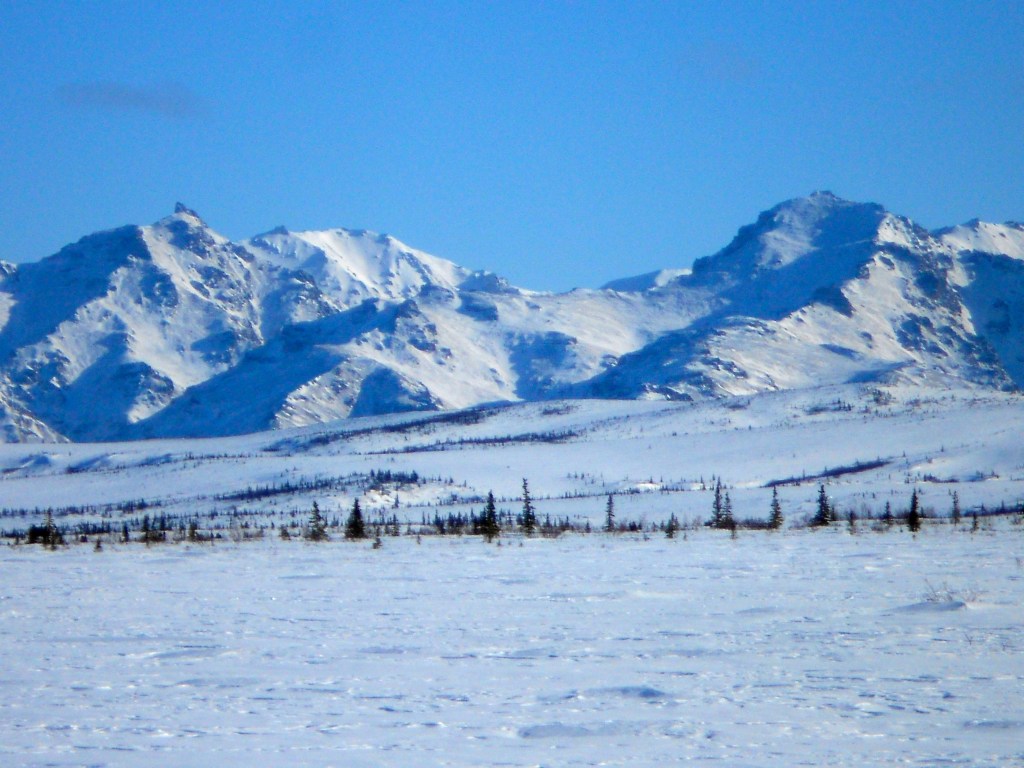
The Tundra is a unique and fascinating ecosystem that can provide an alternative schooling and education experience like no other. Located in the Arctic region, this vast landscape of frozen plains, low temperatures, and minimal vegetation offers a truly immersive learning environment for students who seek to understand the wonders of nature.
1. Climate: The extreme cold and long winters of the Tundra make it an ideal place for students to study weather patterns, climate change, and adaptation strategies. They can witness firsthand how animals have evolved to survive in such harsh conditions or explore the impacts of global warming on this delicate ecosystem.
2. Biodiversity: Contrary to popular belief, the Tundra is not devoid of life; it teems with a surprising diversity of plant and animal species. Students can learn about the unique adaptations that allow organisms like lichens, mosses, caribou, muskoxen, polar bears, Arctic foxes, and migratory birds to thrive in this challenging environment.
3. Indigenous Cultures: The Tundra is home to several indigenous communities whose traditions and way of life are deeply connected with their surroundings. By engaging with these communities through cultural exchanges or field trips led by local guides, students can gain invaluable insights into sustainable living practices and traditional knowledge passed down through generations.
4. Conservation Efforts: Exploring conservation efforts in the Tundra provides an opportunity for students to understand environmental challenges faced by remote regions worldwide. They could participate in research projects focused on protecting endangered species or restoring damaged habitats while also learning about sustainable development initiatives aimed at preserving this fragile ecosystem.
5. Geology: The frozen landscapes found across the Tundra offer a window into Earth’s geological history. Students can investigate glacial formations such as moraines or study permafrost – permanently frozen ground – which plays a crucial role in shaping landforms while acting as a carbon sink within larger global climate discussions.
6. Astronomy: With its minimal light pollution and long dark winter nights, the Tundra is an ideal location for studying astronomy. Students can observe celestial phenomena like the Northern Lights (Aurora Borealis), track constellations, or learn about space exploration while feeling a unique connection to the vastness of our universe.
7. Wilderness Survival skills: The harsh conditions of the Tundra necessitate acquiring essential survival skills. Students can participate in workshops or immersive experiences that teach them how to build shelters, navigate through snowy landscapes, identify edible plants, and start fires using natural resources – all valuable knowledge for future outdoor adventures.
8. Environmental Ethics: By immersing themselves in the Tundra’s fragile ecosystem, students develop a deep sense of environmental ethics and responsibility towards protecting nature. They gain firsthand experience of how human actions impact delicate ecosystems and can explore ways to promote sustainable practices both locally and globally.
In conclusion, alternative schooling and education opportunities within the Tundra offer students an unparalleled chance to connect with nature on a profound level. From studying climate change impacts to learning about indigenous cultures and wildlife conservation efforts, this unique environment provides endless possibilities for enhancing understanding across multiple disciplines while fostering a deep appreciation for Earth’s interconnectedness.
 Alternative Amie
Leave a comment