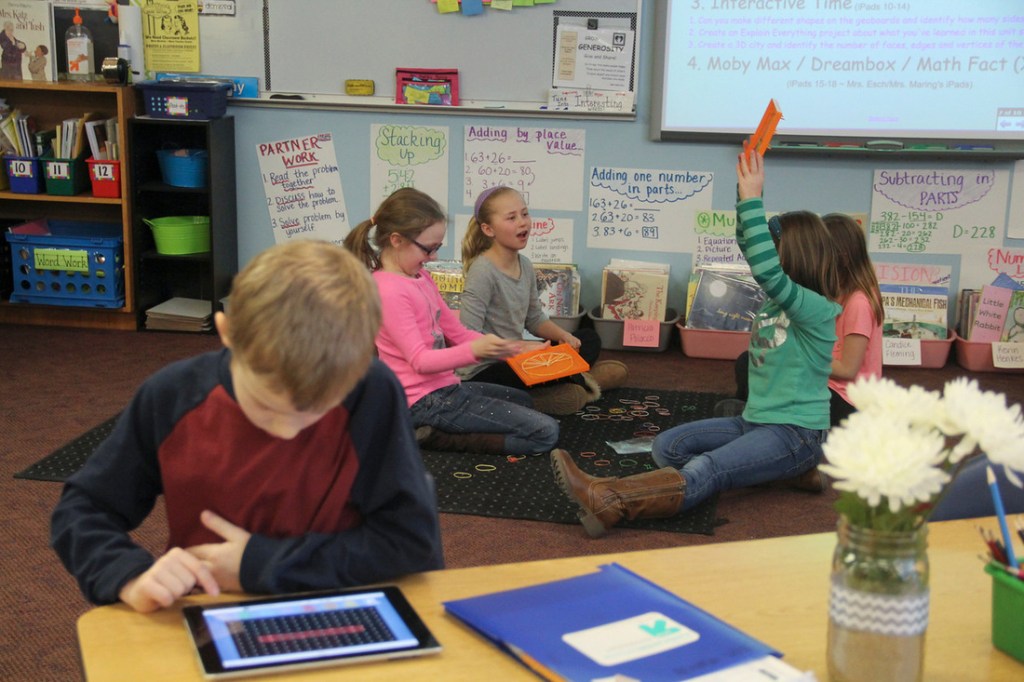
Personalized learning has gained significant attention in recent years as an alternative approach to traditional education. This approach aims to tailor the educational experience to meet the specific needs and interests of each student, allowing them to progress at their own pace and explore topics they find most engaging. While personalized learning holds promise for enhancing student engagement and improving academic outcomes, it is not without its challenges.
One of the main advantages of personalized learning is that it recognizes that students have different learning styles, strengths, and weaknesses. By tailoring instruction to individual needs, students can receive targeted support where they need it most. This individualized attention can boost confidence and motivation, leading to a deeper understanding of concepts.
Furthermore, personalized learning encourages active participation from students by giving them more agency over their own education. Students are empowered to take ownership of their learning journey and make choices about what they want to learn and how they want to learn it. This fosters a sense of autonomy and independence in students, preparing them for future self-directed learning opportunities.
However, implementing personalized learning comes with its fair share of challenges. One concern is the potential increase in workload for educators who must create customized lesson plans for each student. It requires extensive planning and organization skills on the part of teachers.
Moreover, ensuring equity in access to resources can be a challenge when implementing personalized learning on a larger scale. Not all schools may have the necessary technology or resources needed for effective implementation.
Additionally, despite its benefits, some critics argue that personalized learning may hinder social interaction among students since they work independently rather than collaboratively with peers. Developing social skills through group activities is an essential aspect of education that should not be overlooked.
In conclusion, while personalized learning offers numerous advantages such as individualized instruction and increased student engagement, there are also obstacles that need careful consideration during implementation. With proper planning and support from educators and administrators alike, personalized learning has the potential to revolutionize education by catering to the unique needs of each student.
 Alternative Amie
Leave a comment