The Role of Peer Mentors in Project-Based Learning Environments
Project-based learning (PBL) has gained popularity in alternative schooling and education settings due to its emphasis on hands-on, real-world experiences. In these environments, peer mentors play a vital role in supporting students’ growth and development throughout the project journey. By providing guidance, collaboration opportunities, and fostering a sense of community, peer mentors enhance the overall learning experience for all participants.
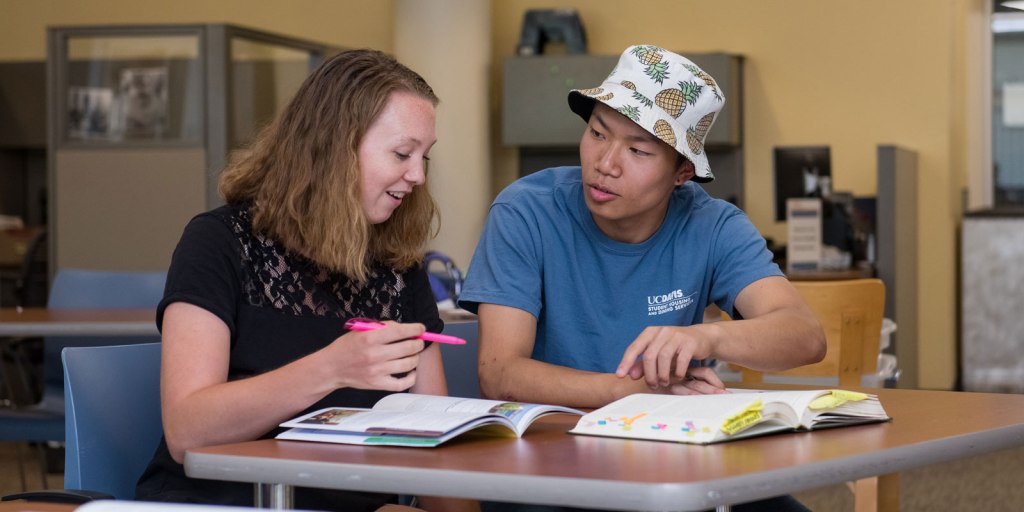
One of the key benefits of having peer mentors in PBL environments is the ability to create a supportive network among students. Peer mentors are often older students who have previously completed similar projects or have acquired advanced knowledge in specific areas. Their presence helps foster a positive learning culture where everyone feels valued and supported. Through regular check-ins, group discussions, and collaborative work sessions, peer mentors can provide guidance based on their own experiences while encouraging younger learners to explore new ideas and perspectives.
Peer mentors also serve as role models for their peers by showcasing effective problem-solving strategies and critical thinking skills. They demonstrate how to navigate challenges that may arise during different stages of the project. As experienced learners themselves, they understand that failure is an essential part of the learning process and encourage others not to be discouraged by setbacks but instead view them as valuable learning opportunities.
In addition to emotional support and guidance, peer mentors also facilitate collaboration within project teams. PBL is known for its emphasis on teamwork and communication skills – essential qualities needed for success in today’s interconnected world. By acting as mediators during group discussions or brainstorming sessions, peer mentors ensure that every team member has an equal opportunity to contribute their ideas while maintaining a respectful environment.
Moreover, peer mentoring can help bridge gaps between teachers or instructors and students in PBL environments. While educators provide initial instructions and guidelines for projects, it is often through interactions with peers that students fully grasp concepts or gain deeper insights into subject matter. Peer mentorship creates an avenue for students to seek clarification or engage in meaningful discussions outside of formal instructional time.
In conclusion, peer mentors play a crucial role in project-based learning environments by providing guidance, fostering collaboration, and creating a supportive community. Through their experiences, they inspire, motivate, and empower their peers to take ownership of their learning journeys. The presence of peer mentors not only enhances individual growth but also strengthens the overall educational experience within alternative schooling and education settings.
 Alternative Amie
Leave a comment