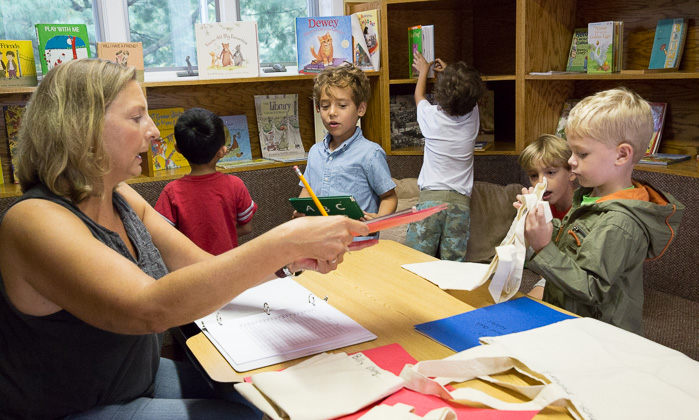
Parent Involvement in Small Schools: A Key to Success
In today’s education landscape, parent involvement is widely recognized as an essential factor for the success and well-being of students. While this holds true across all types of schools, small schools often provide a unique opportunity for parents to play a more active role in their child’s education. With smaller class sizes and a close-knit community, these schools create an environment that fosters strong collaboration between parents, teachers, and students.
Small schools prioritize building strong relationships with families right from the start. The size of these institutions allows for more personalized attention and a greater sense of belonging among students and their families. As a result, parents feel comfortable engaging with school staff on various levels – be it through volunteering opportunities or open communication channels.
One of the key advantages of parent involvement in small schools is the reinforcement it provides for student learning. When parents are actively engaged in their child’s educational journey, they can extend classroom lessons at home by helping with homework assignments or engaging in additional learning activities. This collaborative approach not only enhances academic performance but also helps bridge any gaps between home and school environments.
Moreover, parent involvement promotes better communication between teachers and families. In small schools where everyone knows each other by name, parents have easier access to educators who are readily available to address concerns or discuss progress updates regularly. This open line of communication ensures that both parties remain informed about the student’s progress while allowing teachers to gain valuable insights into each child’s individual needs.
Furthermore, when parents get involved in small school settings, they become active participants in shaping the educational experience offered to their children. These institutions often encourage parental input through advisory committees or regular feedback sessions where ideas can be shared openly. By including parents in decision-making processes such as curriculum development or extracurricular planning, small schools ensure that their programs reflect the values and aspirations of the entire community.
Another significant benefit arises from the increased visibility of parents in small schools. Students witness firsthand the importance placed on education by their families, which can serve as a powerful motivator. Parent volunteers who actively participate in school events or assist with various activities demonstrate to students that both home and school are invested in their success.
Furthermore, parent involvement in small schools contributes to a sense of shared responsibility for the overall well-being of the community. When parents take an active role, they help create a positive and supportive atmosphere where everyone feels valued. This sense of belonging fosters stronger relationships among students, teachers, and parents alike.
Small schools also provide ample opportunities for parents to engage beyond academics. They often host family-oriented events like picnics, talent shows, or fundraisers that bring together everyone involved in the school community. These occasions not only strengthen bonds but also allow for informal interactions between parents and teachers outside of traditional academic settings.
However, it is important to recognize that parent involvement in small schools must be approached with sensitivity to ensure inclusivity and respect diverse family dynamics. Schools should make efforts to accommodate working parents by offering flexible meeting times or providing alternative means of participation such as virtual meetings or online platforms for communication.
In conclusion, parent involvement plays a crucial role in the success of small schools. The close-knit nature of these institutions allows for enhanced collaboration between teachers and families while fostering individualized attention and support for students. By reinforcing learning at home, promoting open communication channels, encouraging parental input, and creating a strong sense of community ownership over education, small schools empower both students and families to actively contribute towards achieving educational excellence.
 Alternative Amie
Leave a comment