The Flipped Classroom Model: Revolutionizing Education
In recent years, the traditional model of education has undergone a significant transformation. With advancements in technology and innovative teaching methods, educators are exploring new ways to engage students and enhance their learning experiences. One such approach that has gained traction is the flipped classroom model.
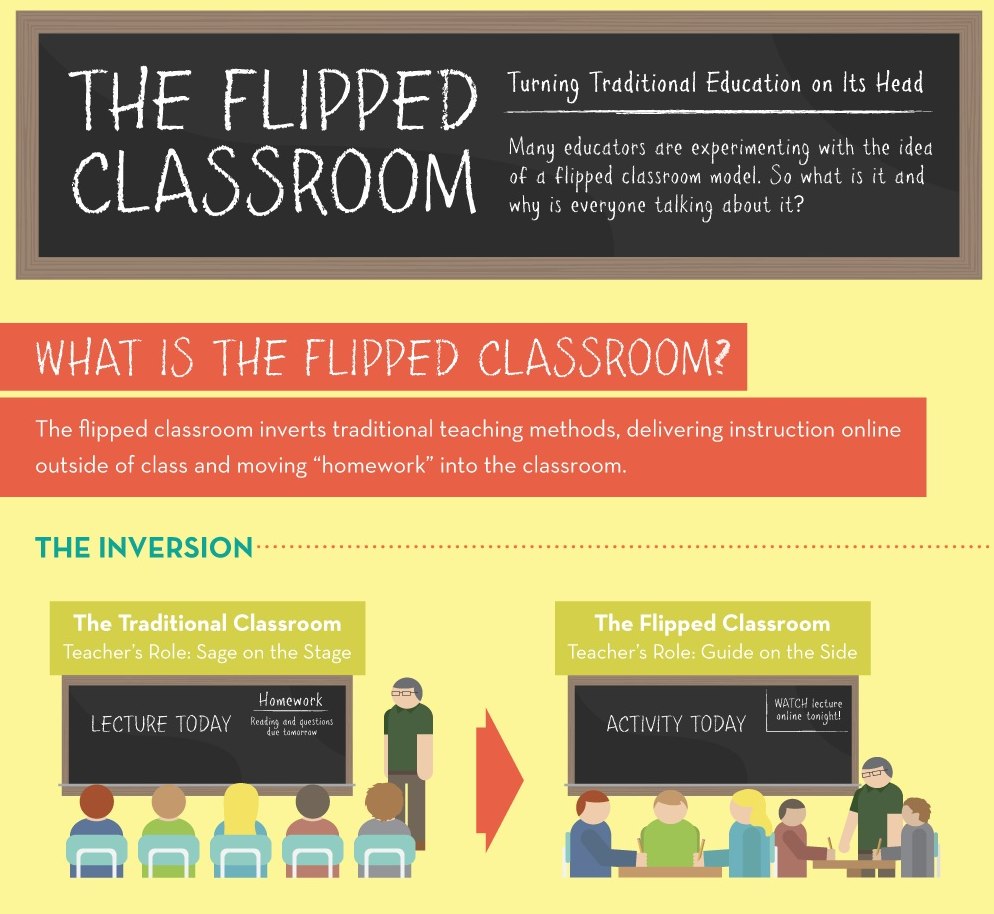
Originating in the late 2000s, the flipped classroom model flips the traditional educational structure by delivering direct instruction outside of class time through online videos or readings, while using class time for interactive activities and discussions. This student-centered approach aims to maximize engagement, promote critical thinking skills, and foster deeper understanding of concepts.
The concept behind the flipped classroom model is simple yet powerful. Instead of spending valuable class time on lectures where students passively absorb information, they can watch pre-recorded video lessons or complete assigned readings at their own pace before coming to class. This allows them to familiarize themselves with the material beforehand and arrive prepared for meaningful interactions with their peers and teachers during face-to-face sessions.
By shifting direct instruction out of the classroom, this approach offers numerous benefits. Firstly, it allows students to take control of their learning journey by providing flexibility in terms of when and where they access instructional content. They can rewind or rewatch parts that are challenging until they grasp the concepts fully – something not possible in real-time lectures.
Furthermore, flipping classrooms also caters to diverse learning styles as it enables students to learn at their own pace. Some may require more time than others to comprehend complex topics without feeling rushed or left behind during conventional lectures.
Moreover, this method encourages active participation from both teachers and students during class time. In a traditional setting, teachers often struggle to find sufficient opportunities for individualized attention due to large class sizes; however, in a flipped classroom environment where foundational knowledge is already acquired outside school hours, educators have more freedom to work closely with each student on applying concepts practically.
Another advantage lies in the enhanced collaboration and critical thinking skills that are fostered through group activities and discussions during class time. Instead of memorizing facts in isolation, students can engage in meaningful conversations with their peers, exchange ideas, debate concepts, and analyze real-world applications. This collaborative learning approach not only strengthens their understanding but also hones their problem-solving abilities.
Additionally, the flipped classroom model has demonstrated positive effects on student engagement and motivation. Traditional lectures can sometimes be monotonous or fail to resonate with individual interests. By incorporating multimedia elements such as videos or interactive online materials into pre-class instruction, educators can make the learning experience more engaging and tailored to students’ preferences.
Furthermore, this approach allows teachers to personalize content according to each student’s needs. They can identify areas where students may be struggling based on data from pre-class assessments or discussions held during class time. With this knowledge at hand, teachers can provide targeted support to individuals or small groups to ensure all students receive the necessary guidance for mastery.
However, it is important to note that implementing a flipped classroom model requires careful planning and effective use of technology resources. Educators must create high-quality video lessons that are concise yet comprehensive enough for independent learning while ensuring accessibility for all students regardless of their internet connection speed or device availability.
Moreover, support structures should be in place to address any technological challenges faced by both teachers and students during implementation. Training sessions may be necessary to help educators navigate new tools effectively and design engaging instructional materials.
Despite these considerations, numerous success stories have emerged from schools around the world that have embraced the flipped classroom model. Research studies indicate its positive impact on academic achievement as well as improved attitudes toward learning among students who experienced this innovative teaching method.
In conclusion, the flipped classroom model has revolutionized education by shifting traditional lecture-style instruction outside of class time while utilizing face-to-face sessions for collaborative activities and practical application of knowledge. This student-centered approach promotes active engagement, critical thinking, and personalized learning experiences. As technology continues to advance, the flipped classroom model provides an exciting opportunity for educators to create dynamic and interactive learning environments that better prepare students for success in the modern world.
 Alternative Amie
Leave a comment