Challenges of Dual Enrollment: Navigating the Pathway to Success
In recent years, dual enrollment has emerged as a popular option for high school students seeking to get a head start on their college education. This innovative educational approach allows students to simultaneously earn both high school and college credits by enrolling in college-level courses while still in high school. While the benefits of dual enrollment are widely recognized, it is important to acknowledge the challenges that students may face when embarking on this unique academic pathway.
One significant challenge of dual enrollment lies in its rigorous curriculum. College-level courses demand more time, effort, and dedication than traditional high school classes. The coursework can be challenging, requiring a higher level of critical thinking and analytical skills from students who have not yet fully developed these abilities. Additionally, the pace at which material is covered in college courses can be overwhelming for some students who may struggle with time management or have other extracurricular commitments.
Another obstacle faced by dual enrollment students is the adjustment to a new learning environment. Unlike their high school counterparts, these students find themselves immersed in an unfamiliar setting surrounded by older peers with different expectations and academic standards. Adapting to this new environment can be intimidating and may require additional support from teachers or mentors.
Furthermore, access to resources presents another significant challenge for dual enrollment participants. While colleges typically offer various support services such as tutoring centers or writing labs, these resources might not always be easily accessible or readily available to younger dual enrolled students due to scheduling conflicts or campus restrictions imposed on minors.
Financial considerations also pose challenges for those pursuing dual enrollment opportunities. Although many states provide funding options or reduced tuition rates for eligible high school students participating in this program, there are cases where families must bear the financial burden themselves if no assistance is available. This can create barriers for low-income families who wish to take advantage of this opportunity but simply cannot afford it.
Balancing responsibilities is yet another challenge for dual enrollment students. Juggling the demands of both high school and college coursework can be overwhelming, leaving little time for extracurricular activities or socializing. This can lead to feelings of isolation or burnout if not managed properly.
Moreover, the transferability of credits earned through dual enrollment can present challenges when it comes to future educational plans. While many colleges and universities accept these credits, some institutions may have restrictions on which courses are eligible for transfer or may limit the total number of credits that can be applied towards a degree program. It is crucial for students to research and understand these policies in order to make informed decisions about their academic journey.
Lastly, maintaining motivation and focus throughout the dual enrollment experience is a perpetual challenge. Students who find themselves surrounded by peers who are not enrolled in college-level courses may struggle with staying motivated or feeling alienated from their peer group. The pressure to succeed academically while also navigating the complexities of teenage life can take its toll on student morale.
Despite these challenges, there are strategies that students can employ to overcome them successfully. Effective time management skills, such as creating a study schedule and setting realistic goals, are essential for balancing coursework with other obligations. Seeking support from teachers, advisors, or mentors who understand the unique challenges faced by dual enrollment students can provide valuable guidance and encouragement.
Additionally, taking advantage of available resources within both high school and college settings is vital for academic success. Dual enrolled students should familiarize themselves with tutoring services, writing centers, or any other support programs offered by their respective institutions.
To address financial constraints associated with dual enrollment participation, students should explore scholarship opportunities specifically targeted at funding this type of education. Many organizations offer scholarships aimed at assisting high-achieving individuals seeking early college experiences.
Furthermore, staying connected with peers who share similar aspirations through clubs or organizations focused on promoting educational opportunities could help combat feelings of isolation among dual enrollment participants.
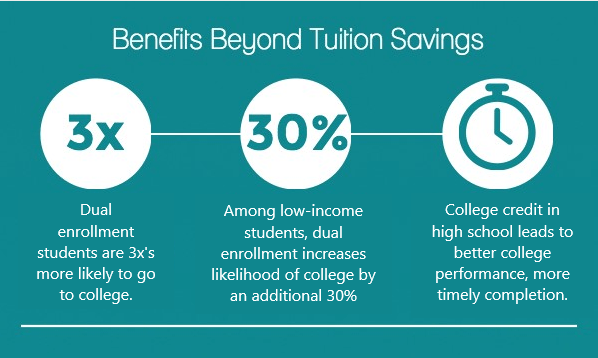
Ultimately, the challenges of dual enrollment should not discourage students from pursuing this unique educational opportunity. While it may require extra effort and dedication, the benefits of earning college credits while still in high school far outweigh the obstacles that one might encounter along the way.
By recognizing these challenges and equipping themselves with the necessary strategies to overcome them, dual enrollment students can successfully navigate their academic journey towards a brighter future. Dual enrollment provides a platform for personal growth, intellectual development, and increased readiness for higher education – all invaluable assets in today’s competitive world.
 Alternative Amie
Leave a comment