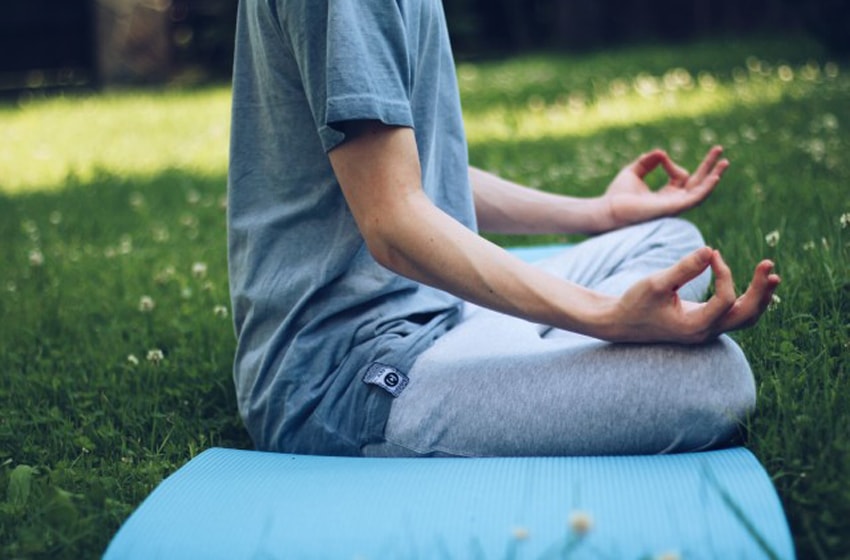
Mindfulness and Meditation Practices for Students
In today’s fast-paced and high-stress society, students are often burdened with overwhelming academic pressures, social expectations, and personal challenges. As a result, many educators and parents are turning to mindfulness and meditation practices as a means to help students navigate these difficulties and promote overall well-being. Mindfulness is the practice of paying attention to the present moment without judgment, while meditation involves focusing one’s mind to achieve mental clarity and emotional stability.
One of the key benefits of incorporating mindfulness and meditation practices into student life is their ability to reduce stress levels. Research has shown that engaging in regular mindfulness exercises can decrease cortisol levels, which is known as the stress hormone. By cultivating awareness of their thoughts, emotions, and bodily sensations through mindfulness practices such as deep breathing or body scans, students can develop coping mechanisms to better manage stressors both inside and outside the classroom.
Moreover, practicing mindfulness enhances concentration skills. In an age where distractions are abundant due to technology advancements, it becomes increasingly challenging for students to stay focused on their studies. However, by regularly practicing meditation techniques like mindful breathing or guided visualizations, students can improve their ability to sustain attention for longer periods. This increased focus not only aids in academic performance but also fosters better engagement in class discussions and promotes active listening skills.
Another significant benefit of integrating mindfulness into education is its positive impact on emotional regulation. Adolescence is marked by intense emotional fluctuations which can disrupt learning environments if not addressed effectively. By encouraging students to observe their emotions non-judgmentally through mindfulness exercises like loving-kindness meditation or gratitude journaling, they develop greater self-awareness and learn healthier ways of managing negative feelings such as anxiety or anger.
Furthermore, mindfulness practices have been found beneficial for enhancing resilience in students when faced with challenges or setbacks. The ability to bounce back from failures or disappointments is crucial for long-term success in academics as well as in life. Through cultivating mindfulness, students develop a mindset that enables them to approach difficulties with greater equanimity and adaptability, ultimately building their capacity to overcome obstacles and learn from setbacks.
Lastly, the practice of mindfulness encourages empathy and compassion among students. By fostering an attitude of non-judgment towards oneself and others, students become more attuned to the emotions and experiences of those around them. This heightened sensitivity can lead to stronger interpersonal relationships, improved conflict resolution skills, and a more inclusive classroom environment where all voices are valued.
Incorporating mindfulness and meditation practices into student life requires creating a supportive environment that promotes regular practice. Teachers can dedicate a few minutes at the beginning or end of each class for mindful exercises or consider implementing longer sessions during designated wellness periods. Additionally, schools can invite trained professionals to provide workshops on mindfulness techniques or offer resources like guided meditation apps for students to utilize outside of school hours.
In conclusion, mindfulness and meditation practices have numerous benefits for students’ overall well-being and academic success. By reducing stress levels, enhancing concentration skills, promoting emotional regulation, building resilience, fostering empathy and compassion – these practices create an environment conducive to learning while also improving personal growth. Integrating these techniques into educational settings allows students to navigate their academic journeys with more ease while developing essential life skills that will serve them well beyond the classroom walls.
 Alternative Amie
Leave a comment