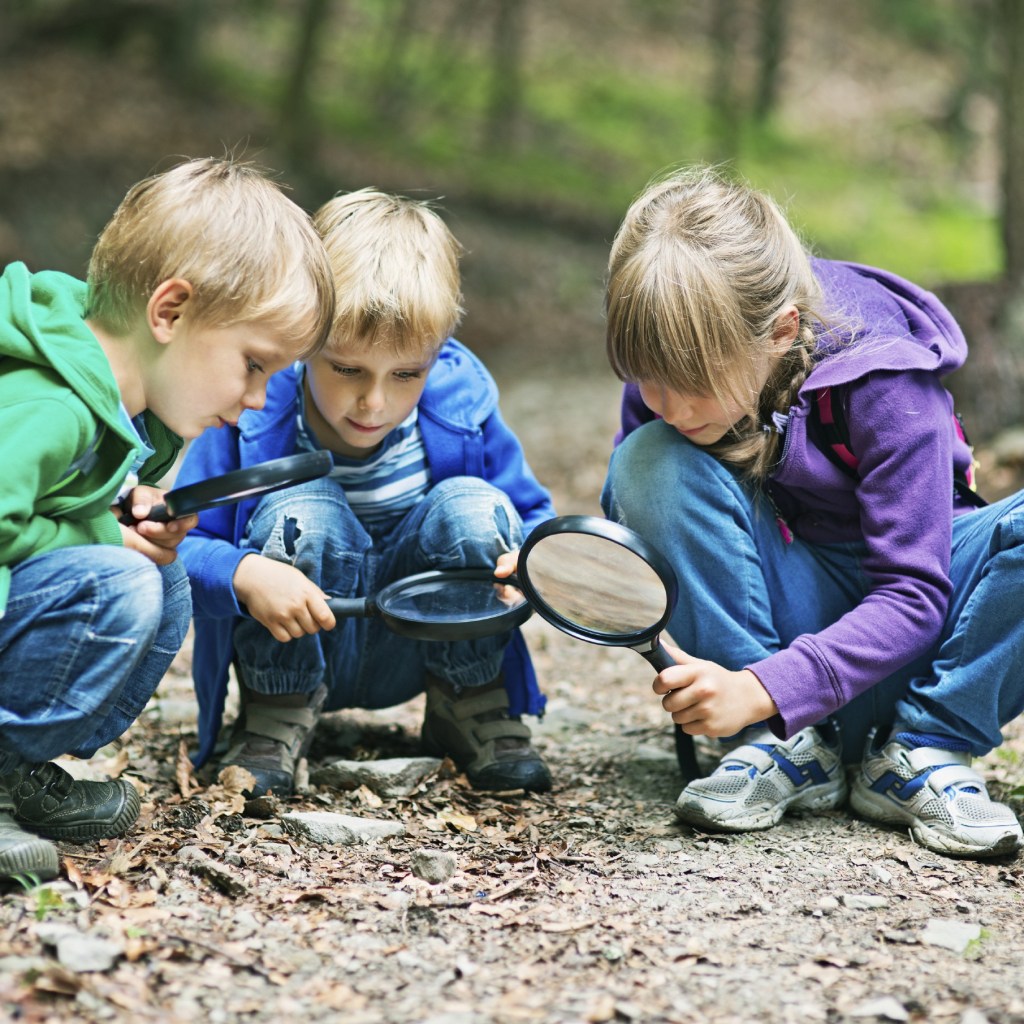
Outdoor education is an alternative approach to schooling that aims to provide students with immersive learning experiences in natural environments. This educational model emphasizes hands-on learning, teamwork, and personal growth through outdoor activities such as hiking, camping, rock climbing, and environmental exploration.
One of the primary goals of outdoor education is to foster a deep connection between students and the natural world. By spending time outside, away from the confines of traditional classrooms, students have the opportunity to engage with nature firsthand. They learn about various ecosystems, wildlife habitats, and environmental challenges while developing a sense of responsibility towards preserving our planet.
In addition to academic knowledge gained through experiential learning, outdoor education also focuses on cultivating important life skills. Teamwork and communication are essential components of this educational approach since many activities require collaboration among peers. Students learn how to work together effectively and support one another’s growth.
Physical fitness is another key aspect emphasized in outdoor education programs. Engaging in physical activities like hiking or kayaking not only encourages healthy habits but also instills a sense of confidence in students as they overcome challenges and push their limits.
Moreover, outdoor education provides a unique opportunity for personal development. Being immersed in nature allows students to explore their own interests and talents while building self-confidence. The experience often promotes resilience as they adapt to unfamiliar settings or cope with unexpected situations encountered outdoors.
Outdoor education programs are designed for all age groups – from elementary school children to college-level learners – allowing individuals at different stages of their academic journey to benefit from this approach.
Research has shown that integrating outdoor experiences into the curriculum enhances student engagement and improves overall academic performance. Outdoor learning experiences stimulate curiosity by providing real-life contexts for classroom concepts across various subjects such as science, geography, history, art, and more.
Furthermore, spending time outdoors can have positive effects on mental health by reducing stress levels and increasing feelings of well-being. Nature has been proven to promote relaxation while boosting creativity and focus.
In conclusion, outdoor education offers a unique and alternative approach to traditional schooling methods. By immersing students in nature and providing hands-on learning experiences, this educational model fosters academic growth, teamwork skills, physical fitness, personal development, and overall well-being. The integration of outdoor experiences into the curriculum not only enhances academic performance but also instills a deep appreciation for the natural world and a sense of responsibility towards its preservation.
 Alternative Amie
Leave a comment