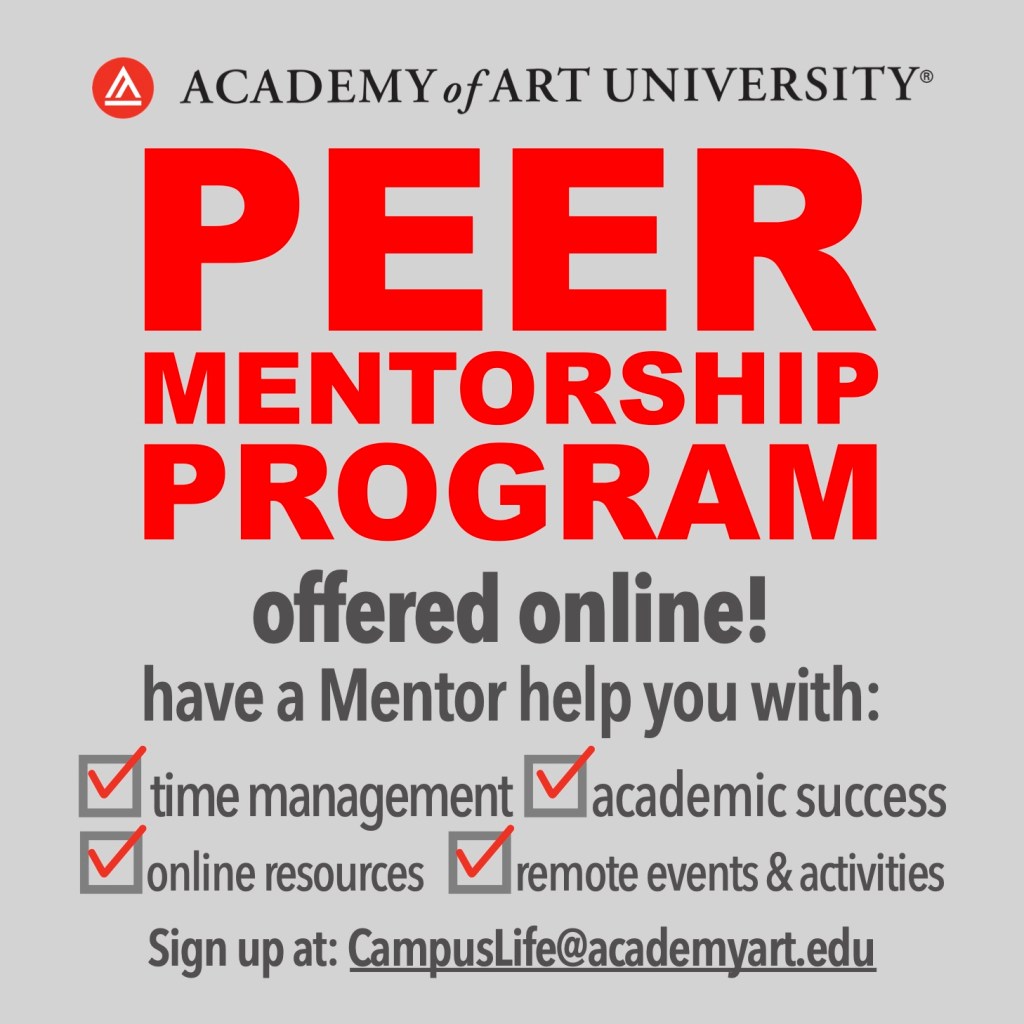
Peer Mentorship in Alternative Schooling
When it comes to alternative schooling, peer mentorship can play a vital role in the success and well-being of students. Peer mentors are individuals who have experience and knowledge in a particular area, and they provide guidance, support, and encouragement to their mentees. In alternative schools, where students often have unique needs or face specific challenges, peer mentorship programs can be particularly beneficial.
1. Peer Mentorship for Students with Learning Disabilities
Students with learning disabilities may require additional support to navigate their academic journey successfully. Peer mentorship programs specifically tailored for these students can provide valuable assistance. By pairing them with mentors who have overcome similar challenges or have received specialized training, students with learning disabilities can receive personalized guidance that addresses their unique needs.
Mentors can help these students develop effective study strategies, organizational skills, and time management techniques. They can also offer emotional support by sharing their own experiences of overcoming obstacles related to learning disabilities. Through the mentor-mentee relationship, students gain confidence and learn valuable self-advocacy skills that empower them to seek accommodations when needed.
2. Peer Mentorship for Students with Behavioral Challenges
Alternative schools often enroll students who struggle with behavioral issues that may hinder their academic progress or social integration. In such cases, peer mentors trained in behavior management techniques can provide invaluable guidance.
These mentors can work closely with mentees to identify triggers for disruptive behaviors and help them develop strategies for self-regulation. By modeling positive behavior and offering non-judgmental support, peer mentors create safe spaces where students feel comfortable discussing their challenges openly without fear of stigma or judgment.
Furthermore, through regular meetings and check-ins between mentors and mentees, both parties build trust while developing plans to address specific behavioral goals set by the student themselves.
3. Peer Mentorship for Gifted and Talented Students
Gifted and talented students often possess exceptional abilities but may face unique challenges in traditional educational settings. In alternative schools, peer mentorship programs can help nurture and further develop their talents.
Pairing gifted students with mentors who share similar interests or have expertise in a specific area allows for a meaningful exchange of knowledge and experiences. Mentors can provide guidance on advanced coursework, research opportunities, and extracurricular activities related to the student’s passion.
In addition to academic support, peer mentors can also offer emotional support by understanding the pressures and expectations that come with being gifted. Through this mentorship relationship, students gain confidence in their abilities while fostering a sense of belonging within the alternative school community.
4. Peer Mentorship for Students Pursuing Creative Arts
For students interested in pursuing creative arts such as music, dance, theater, or visual arts in an alternative schooling environment, peer mentorship plays a crucial role in nurturing their talent and providing them with guidance.
Matching aspiring artists with mentors who are already established or experienced in their chosen artistic field creates a supportive network where mentees receive personalized feedback on their work and guidance on how to refine their skills.
Mentors can also help these students explore various career pathways within the creative arts industry by sharing insights into portfolio development, audition preparation techniques, networking strategies, and potential scholarship or internship opportunities. This kind of mentorship not only enhances technical skills but also fosters creativity and self-expression among students.
5. Peer Mentorship for Students Interested in Entrepreneurship
Entrepreneurial-minded students attending alternative schools may require guidance from experienced peers who have successfully navigated the world of business startups or social enterprises.
Peer mentors can provide practical advice on developing business plans, conducting market research, fundraising strategies, branding techniques, and other essential aspects of entrepreneurship. They serve as role models who inspire creativity while offering support through challenging entrepreneurial endeavors.
Additionally, these mentors instill important values such as resilience and perseverance when faced with setbacks or failures along the entrepreneurial journey. By fostering an entrepreneurial mindset, peer mentorship programs empower students to pursue their passions and turn their ideas into tangible ventures.
6. Peer Mentorship for Students Exploring STEM Fields
Alternative schools focusing on science, technology, engineering, and mathematics (STEM) provide a unique opportunity for students interested in these fields. Peer mentorship programs can further enhance the learning experience by connecting mentees with mentors who have expertise in specific areas of STEM.
Through one-on-one interactions, mentors can guide students through complex concepts and help them develop problem-solving skills necessary for success in STEM disciplines. Mentors also play a crucial role in fostering curiosity and passion for scientific inquiry by organizing hands-on experiments or facilitating discussions about real-world applications of STEM knowledge.
Furthermore, peer mentors can introduce mentees to various resources such as coding platforms, online communities of scientists or engineers, or extracurricular opportunities like robotics clubs or science fairs that expand their engagement beyond the classroom walls.
7. Peer Mentorship for LGBTQ+ Students in Alternative Education
For LGBTQ+ students attending alternative schools, having access to supportive peers is essential for their emotional well-being and academic success. Peer mentorship programs specifically designed to address the unique challenges faced by these students create safe spaces where they can freely express themselves without fear of discrimination or prejudice.
By pairing LGBTQ+ youth with mentors who identify within the same community or have undergone similar experiences, these programs offer guidance on self-acceptance, navigating social relationships both inside and outside school settings while providing resources related to sexual health education and mental health support services tailored to LGBTQ+ individuals.
Peer mentors serve as positive role models who celebrate diversity and promote inclusivity within alternative education environments. Through this mentorship relationship, LGBTQ+ students gain confidence in their identities while developing resilience against potential adversity they may face.
8. Peer Mentorship for Students from Low-Income Backgrounds
Students from low-income backgrounds often face additional barriers when it comes to accessing educational resources or pursuing post-secondary opportunities. Peer mentorship programs can provide these students with the guidance and support necessary to overcome these challenges.
By pairing students from low-income backgrounds with mentors who have successfully navigated similar circumstances, mentees gain insights into various scholarship and financial aid opportunities. Mentors can also offer guidance on college application processes, including writing personal statements, preparing for interviews, and researching potential schools that align with the student’s goals.
Additionally, peer mentors can help mentees develop important life skills such as budgeting, time management, and networking strategies that are crucial for success beyond high school. Through this mentorship relationship, students from low-income backgrounds gain confidence in their ability to achieve their academic and career aspirations.
9. Peer Mentorship for Students Transitioning from Traditional to Alternative Schooling
Transitioning from a traditional school environment to an alternative one can be challenging for many students. Peer mentorship programs tailored specifically for this transition period help ease the adjustment process by providing guidance and support during this critical phase.
Peer mentors who have already experienced transitioning themselves can offer reassurance and practical advice on navigating new routines, expectations of alternative schooling environments, building relationships with teachers and peers within the community while sharing strategies for managing academic workload in a more self-directed learning setting.
Moreover, mentors serve as empathetic listeners who understand the anxieties associated with change while helping mentees build resilience throughout this transitional journey. By fostering a sense of belonging within the alternative school community early on through peer mentorship programs, students feel supported as they embark on their new educational path.
10. Peer Mentorship for Non-Traditional Families in Alternative Education
Alternative education settings often attract families seeking different educational approaches due to diverse family structures such as single-parent households or blended families. Peer mentorship programs designed to support non-traditional families create inclusive communities where all members feel valued.
Pairing parents or guardians with experienced mentors who have faced similar family dynamics can provide emotional support and a safe space for discussing challenges specific to non-traditional families. Mentors can offer practical advice on navigating co-parenting arrangements, fostering positive relationships between siblings from different households, or managing time and responsibilities effectively.
Additionally, mentors can introduce mentees to resources such as support groups, counseling services, or legal advice tailored to the needs of non-traditional families. By facilitating connections and sharing experiences within these mentorship relationships, alternative education settings become nurturing spaces where all family structures are embraced.
In conclusion, peer mentorship programs in alternative schooling environments play a crucial role in supporting students with diverse needs and interests. Whether it be through academic guidance, emotional support, or personal development opportunities, these programs foster resilience while enhancing student engagement and motivation. By leveraging the power of peer-to-peer mentoring relationships, alternative schools create supportive communities that empower all students to thrive academically and personally.
 Alternative Amie
Leave a comment