Cognitive development is a fundamental aspect of human growth and learning. It refers to the intellectual abilities and processes that enable individuals to think, reason, problem-solve, and make sense of the world around them. From infancy through adulthood, cognitive development plays a crucial role in shaping our understanding of ourselves and the world we inhabit.
In traditional schooling systems, cognitive development is often approached through a standardized curriculum focused on memorization and regurgitation of information. However, alternative schooling and education approaches offer more holistic and individualized methods to foster cognitive growth. These methods prioritize critical thinking, creativity, curiosity, and exploration – all essential components for nurturing well-rounded individuals.
One key aspect of cognitive development is language acquisition. Language not only enables communication but also serves as a tool for organizing thoughts and expressing ideas. In alternative educational settings that emphasize experiential learning, language acquisition occurs naturally as students engage in meaningful conversations with their peers and teachers.
For instance, Montessori schools promote an immersive environment where children are encouraged to explore their surroundings independently while interacting with materials specifically designed to stimulate cognitive growth. This hands-on approach allows children to develop vocabulary skills by describing their experiences using words they encounter during their explorations.
Another crucial element in fostering cognitive development is encouraging curiosity and exploration from an early age. Alternative schools often prioritize project-based learning or inquiry-based approaches that encourage students to ask questions about topics they find interesting or challenging.
By allowing students to pursue these questions through research or practical experiments, educators can tap into their intrinsic motivation while simultaneously developing critical thinking skills. This process helps students learn how to analyze problems from multiple perspectives—one of the hallmarks of effective cognition—and enables them to arrive at creative solutions.
Furthermore, alternative schooling emphasizes interdisciplinary learning experiences that connect various subjects together rather than teaching them in isolated silos. By integrating different fields such as science, math, history, literature, arts etc., students can see how knowledge connects across disciplines, allowing them to form a more comprehensive understanding of the world.
This interdisciplinary approach also nurtures cognitive flexibility, which is the ability to adapt thinking strategies based on changing circumstances or demands. Students who engage in cross-disciplinary learning are better equipped to think critically and solve problems creatively, as they have developed a broader toolkit of knowledge and skills from different domains.
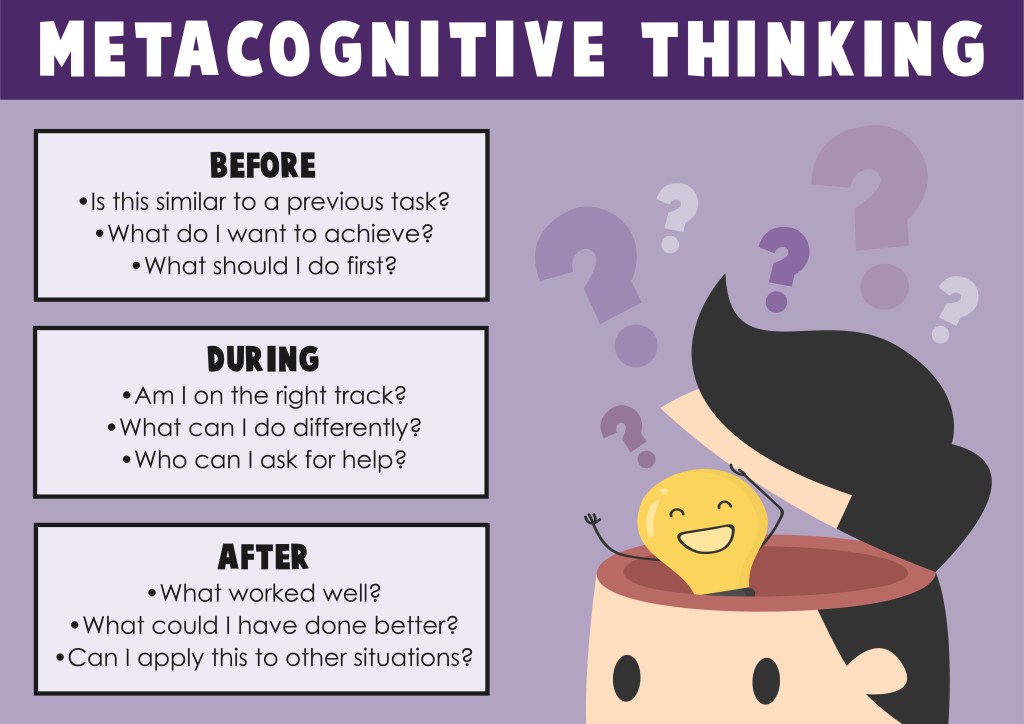
In addition to fostering curiosity and interdisciplinary learning, alternative schooling approaches often prioritize the development of metacognitive skills. Metacognition refers to one’s ability to reflect upon their own thinking processes and regulate their own learning.
By teaching students how to set goals, monitor progress, and evaluate their own work, educators help them become active participants in their own education. This level of self-awareness allows students to identify areas where they need improvement and develop strategies for continual growth. Ultimately, this metacognitive awareness becomes an invaluable asset as individuals navigate through higher education institutions or enter the workforce.
Moreover, alternative educational settings often emphasize collaborative learning experiences that promote social interaction among students. By working together on group projects or engaging in discussions with peers from diverse backgrounds and perspectives, students learn not only from their teachers but also from each other.
Through these collaborative endeavors, students develop crucial social cognition skills such as empathy, perspective-taking, negotiation abilities etc.. These skills not only contribute towards personal growth but also prepare students for success in future careers that require effective teamwork and communication.
It is important to note that cognitive development is not limited solely to childhood or adolescence; it continues throughout adulthood as well. Alternative schooling recognizes this fact by providing opportunities for lifelong learning outside traditional institutional settings.
Adult learners can engage in online courses or attend workshops that focus on developing specific cognitive skills such as critical thinking or problem-solving. By continuing to challenge our minds even after formal education ends, we can maintain mental agility while continuously expanding our intellectual horizons.
In conclusion, cognitive development plays a crucial role in shaping individuals’ understanding of the world and their ability to navigate it effectively. Alternative schooling approaches offer a more holistic and individualized approach to nurturing cognitive growth by prioritizing curiosity, critical thinking, creativity, and social interaction.
By fostering language acquisition, encouraging curiosity and exploration, promoting interdisciplinary learning experiences, developing metacognitive skills, and providing opportunities for lifelong learning, alternative schooling equips students with the essential cognitive tools they need to thrive in an ever-changing world.
 Alternative Amie
Leave a comment