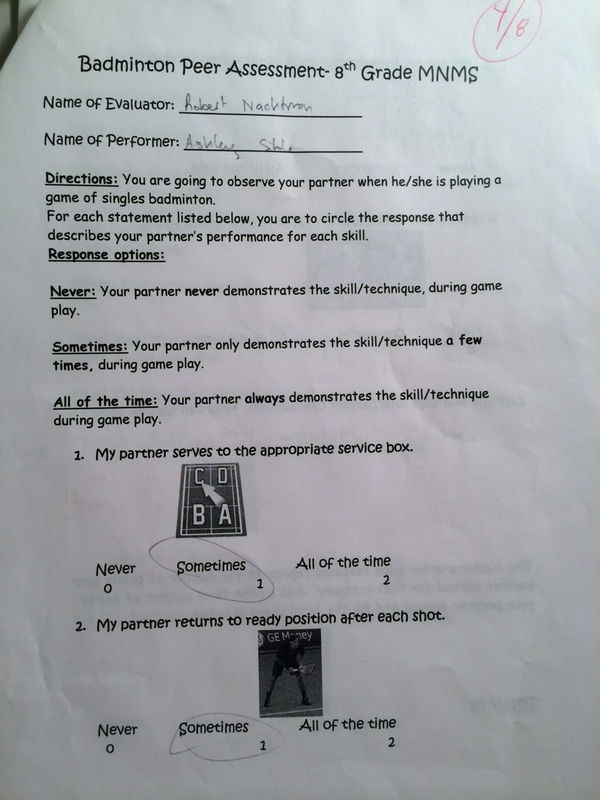
In today’s educational landscape, there is a growing recognition of the importance of physical education in promoting holistic development and well-being among students. As schools strive to create inclusive and culturally responsive learning environments, it becomes essential to address cultural diversity within the context of physical education. One effective approach to assessing student progress and growth in this domain is through portfolio assessment.
Portfolio assessment allows educators to gather a comprehensive collection of evidence that showcases students’ skills, knowledge, and achievements over time. It provides an opportunity for students to document their experiences, reflect on their learning journey, set goals, and showcase their cultural identities within the realm of physical education.
When implementing portfolio assessment in physical education classes with diverse student populations, it is crucial to consider different aspects related to culture. This includes acknowledging and valuing diverse movement patterns, games from various cultures, traditional dances or sports specific to certain communities or countries. By incorporating these elements into the curriculum and encouraging students to include them in their portfolios, teachers can foster inclusivity while also promoting cultural appreciation.
Additionally, assessing social-emotional learning (SEL) through portfolios can be particularly beneficial when addressing cultural diversity in physical education. SEL focuses on developing self-awareness, empathy, responsible decision-making skills, and building positive relationships – all crucial components for fostering a respectful and inclusive classroom environment.
Through portfolio artifacts such as reflective journals or video recordings of group activities, students can highlight instances where they demonstrated empathy towards classmates from different backgrounds or made responsible decisions during team sports involving individuals from diverse cultures. These reflections not only provide evidence of SEL growth but also encourage students to recognize their own biases or stereotypes they may hold about others’ cultures.
Portfolios also play a vital role in documenting experiential learning opportunities within the realm of physical education. By including photos or videos showcasing field trips to community centers offering traditional dance classes or visits by guest speakers who share insights about diverse sporting traditions around the world, students can demonstrate how they have engaged with different cultures and gained knowledge beyond the classroom.
Incorporating student goal-setting and reflection in portfolio assessment is another strategy to address cultural diversity. By encouraging students to set personal goals related to physical activities or games that reflect their own cultural background, teachers can create an inclusive environment where every student’s identity is valued. Through regular reflections on these goals, students can document their progress and growth while also sharing insights into how their cultural background has influenced their physical activity choices.
Assessing problem-solving skills through portfolio artifacts and reflections is yet another way to address cultural diversity within the context of physical education. Students can showcase instances where they encountered challenges during team sports involving individuals from different cultures, reflecting on how they navigated communication barriers or resolved conflicts based on cross-cultural understanding.
To ensure fair and consistent evaluation, the use of rubrics and criteria for evaluating portfolios becomes crucial. These rubrics should encompass not only technical skills but also elements related to cultural appreciation, inclusivity, and social-emotional learning. By providing clear guidelines about what constitutes exemplary work in these areas, educators can support students in showcasing their growth while promoting a culturally responsive approach to physical education.
Portfolios serve as tangible evidence of student growth over time. They provide a comprehensive overview of each student’s journey throughout the academic year by including diverse artifacts such as videos demonstrating improved technique or written reflections highlighting increased awareness of cultural differences.
With the advent of technology, digital portfolios have become increasingly popular due to its ease of organization and presentation. Digital platforms allow for easy inclusion of multimedia elements such as videos or audio recordings showcasing diverse movement patterns or traditional sporting events from various cultures worldwide. Such technology-driven portfolios facilitate effective communication between educators, students, and parents while also offering opportunities for collaborative feedback.
Lastly, portfolio assessment aligns well with alternative forms of assessments that promote personalized learning experiences tailored to individual strengths and interests. As alternative schooling options gain popularity among families seeking more diverse and culturally responsive educational opportunities, portfolio assessment offers a flexible approach that accommodates different learning styles and honors students’ cultural backgrounds.
In conclusion, portfolio assessment in physical education offers a powerful tool for addressing cultural diversity. It provides an avenue for students to showcase their skills, knowledge, and growth while also promoting cultural appreciation and inclusivity within the classroom. By incorporating elements such as diverse movement patterns, social-emotional learning, experiential learning opportunities, student goal-setting and reflection, problem-solving skills evaluation, rubrics and criteria for fair evaluation, evidence of student growth over time, technology-driven organization of digital portfolios, and alignment with alternative forms of assessments – educators can create an engaging environment that fosters holistic development among students from diverse cultural backgrounds.
 Alternative Amie
Leave a comment