Entrepreneurship: Nurturing the Seeds of Innovation
In a world where traditional career paths are becoming less appealing and job security is dwindling, many individuals are turning to entrepreneurship as a means to forge their own path. This alternative approach to education and career development allows individuals to explore their passions, take risks, and create something of value. Entrepreneurship not only offers financial independence but also provides an opportunity for personal and professional growth in ways that cannot be achieved through conventional means.
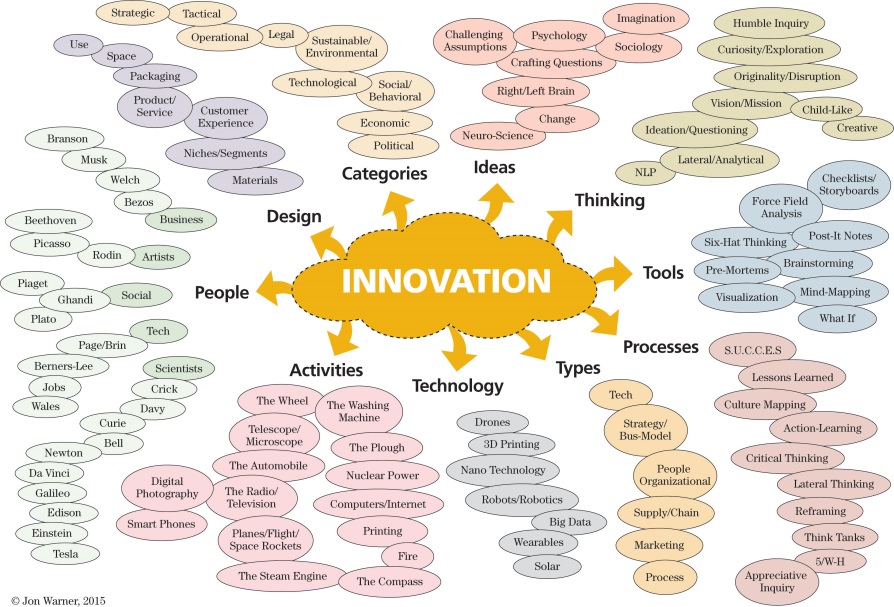
One of the key advantages of entrepreneurship is its ability to foster creativity and innovation. Unlike structured educational systems that often stifle individuality and originality, entrepreneurship encourages out-of-the-box thinking. Entrepreneurs have the freedom to explore unconventional ideas without being bound by rigid guidelines or curriculum constraints. They can experiment with new concepts, challenge existing norms, and develop innovative solutions that address real-world problems.
An entrepreneurial education goes beyond textbooks and classrooms; it encompasses experiential learning through hands-on experiences. Whether it’s starting a small business or launching a social enterprise, entrepreneurs learn by doing. They face challenges head-on, make decisions under uncertainty, adapt quickly to changing circumstances, and learn from both success and failure.
Moreover, entrepreneurship teaches invaluable skills that extend far beyond business acumen. It nurtures qualities such as critical thinking, problem-solving abilities, effective communication skills, resilience in the face of adversity, networking prowess, resourcefulness with limited resources – all essential traits for success in any field.
Another significant advantage of pursuing entrepreneurship is the opportunity for self-discovery. By embarking on this journey of self-employment or creating one’s own venture from scratch – entrepreneurs gain insight into their strengths as well as areas for improvement. They become intimately aware of their passions and purpose – aligning their work with what truly drives them.
The process of building a business also helps develop important life skills like time management strategies and organizational abilities – honed through balancing multiple responsibilities and juggling numerous tasks simultaneously. Entrepreneurs learn to set goals, prioritize effectively, manage their time efficiently, and develop a strong work ethic – all of which are invaluable skills that can be transferred to any area of life.
Furthermore, entrepreneurship fosters an entrepreneurial mindset – a way of thinking that is rooted in creativity, adaptability, and continuous learning. It encourages individuals to embrace change rather than fear it. In the rapidly evolving landscape of the 21st century, where technology disrupts industries overnight and markets fluctuate unpredictably – entrepreneurs are equipped with the resilience and flexibility needed to thrive amidst uncertainty.
Entrepreneurship also empowers individuals by offering them autonomy over their own lives. Instead of being subject to someone else’s vision or limited by hierarchical structures, entrepreneurs have the freedom to shape their future according to their own values and aspirations. They can choose the direction they want to take their venture in – making decisions based on personal convictions rather than external pressures.
In addition, entrepreneurship has significant economic implications as well. Startups drive job creation and stimulate economic growth by introducing new products or services into the market. They contribute to local economies by attracting investment opportunities, fostering innovation ecosystems, and spurring competition among established players.
However, it is important not to romanticize entrepreneurship without acknowledging its challenges as well. Entrepreneurial ventures often require immense dedication and perseverance before yielding results. Long hours are spent refining business plans, securing funding sources, marketing products or services while dealing with setbacks along the way.
Moreover, entrepreneurship is not for everyone; it demands a certain level of risk tolerance coupled with unwavering belief in one’s abilities and ideas. Not everyone may possess these qualities or have access to resources necessary for starting a business venture from scratch.
Nevertheless, alternative schooling models that incorporate entrepreneurial education can play an instrumental role in nurturing aspiring entrepreneurs at an early stage when they are still exploring various career options. By providing students with opportunities to develop their entrepreneurial skills and mindset, educators can equip them with tools necessary for success in any path they choose – be it entrepreneurship or otherwise.
In conclusion, entrepreneurship offers a unique avenue for individuals seeking to chart their own course in life. Through fostering innovation, experiential learning, personal growth, and economic impact – entrepreneurship provides an alternative pathway that empowers individuals to create their own opportunities while making a positive difference in the world. By embracing the spirit of entrepreneurship and incorporating it into educational frameworks, we can pave the way for a more dynamic and resilient workforce capable of tackling the challenges of tomorrow.
 Alternative Amie
Leave a comment