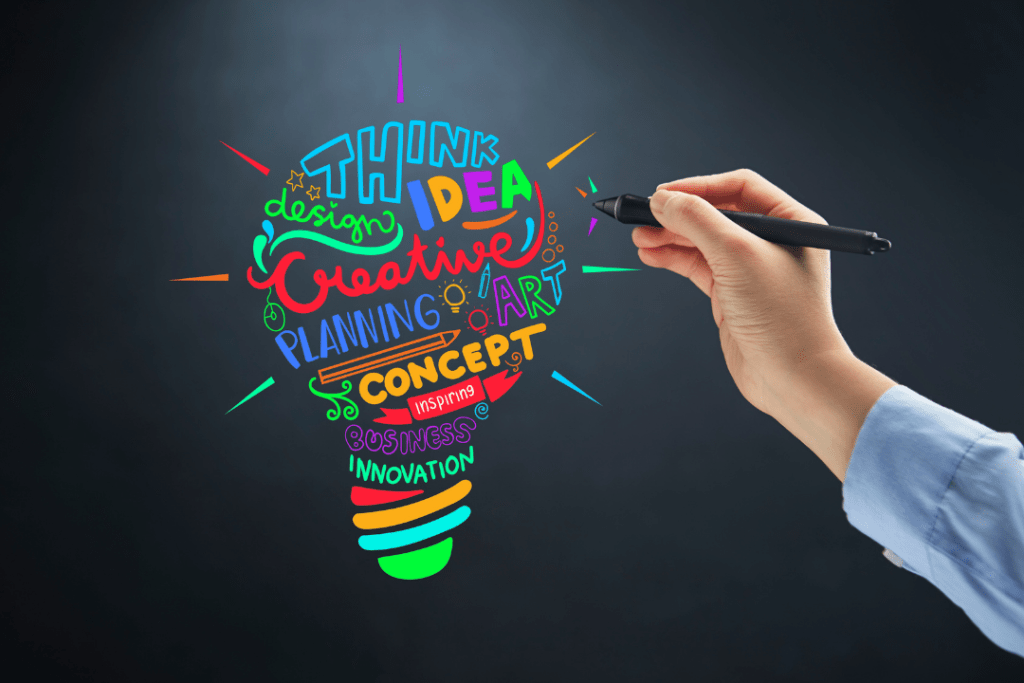
Creativity and Innovation in Education: Nurturing the Next Generation of Thinkers
Education plays a crucial role in shaping the minds of future generations. In today’s rapidly evolving world, it is essential to prepare students for an uncertain future by fostering creativity and innovation in our educational systems. By doing so, we equip young learners with the skills they need to navigate complex challenges and become lifelong thinkers.
Traditional education often emphasizes rote memorization and standardized testing, which can stifle creativity and limit critical thinking abilities. However, alternative forms of schooling are emerging as pioneers in nurturing creative thought processes among students. These innovative approaches prioritize individuality, collaboration, experiential learning, and interdisciplinary exploration.
One effective strategy for promoting creativity in education is project-based learning (PBL). PBL encourages students to work on real-world problems or challenges that require critical thinking and problem-solving skills. It allows students to explore their interests while developing essential cognitive abilities such as resilience, adaptability, curiosity, and resourcefulness.
In addition to project-based learning, another approach gaining traction is STEAM education – Science, Technology, Engineering, Arts, and Mathematics. This interdisciplinary curriculum integrates these fields into a cohesive whole that fosters both logical reasoning skills (STEM) and creative expression (Arts). By incorporating arts into STEM subjects like physics or math through activities such as designing artistic representations of scientific concepts or composing music based on mathematical patterns; creativity flourishes alongside analytical thinking.
Educational institutions should also consider embracing flexible learning environments that promote autonomy among students. The physical layout of classrooms can be redesigned to facilitate collaboration instead of rigid rows of desks facing forward. Creative spaces with movable furniture allow for group discussions or individual workstations tailored to different learning styles.
Furthermore, educators must encourage divergent thinking – the ability to generate multiple solutions or ideas from a single prompt or problem statement. Traditional teaching methods often suppress this type of thinking by emphasizing one correct answer rather than exploring different possibilities. By incorporating techniques such as brainstorming sessions, mind mapping, or open-ended questions, educators can stimulate divergent thinking and instill a growth mindset in students.
Technology is another powerful tool that can enhance creativity and innovation in education. Virtual reality (VR), augmented reality (AR), and gamification bring immersive experiences to the classroom, allowing students to explore new worlds and concepts beyond the confines of traditional textbooks. These technologies engage learners by making education interactive, exciting, and accessible.
Additionally, emerging technologies like 3D printing enable students to turn their creative ideas into tangible objects. This hands-on approach empowers them to think critically about design processes while refining problem-solving skills.
To foster a culture of creativity within educational institutions, teachers themselves must embrace continuous learning and professional development opportunities. They should be encouraged to experiment with innovative teaching methods that encourage curiosity among students while utilizing technology as an enabler rather than a distraction.
Finally, collaboration between schools and local communities is crucial for nurturing creativity in education. Partnerships with businesses or organizations can provide real-world learning experiences through internships or mentorship programs. Community involvement also allows students access to diverse perspectives that expand their creative horizons.
In conclusion, fostering creativity and innovation in education is essential for preparing young minds for an ever-changing world. By implementing project-based learning approaches like PBL or STEAM education curricula; creating flexible learning environments; promoting divergent thinking; integrating technology effectively; encouraging teacher professional development; and collaborating with local communities – we can create dynamic educational systems that inspire the next generation of thinkers and innovators who will shape our future for the better.
 Alternative Amie
Leave a comment