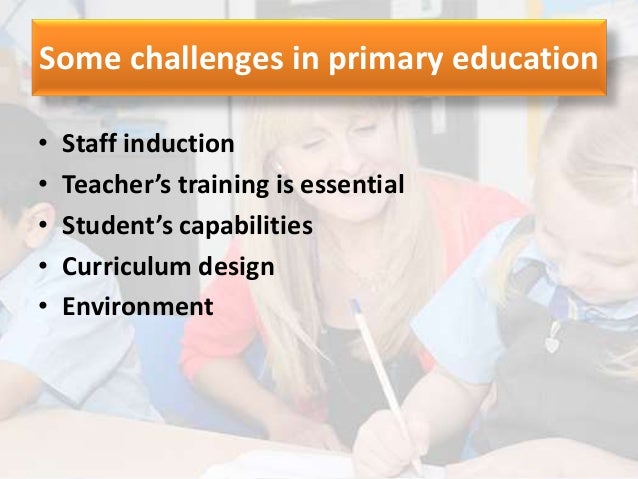
Alternative schooling and education have gained significant popularity in recent years, as more and more parents seek different approaches to traditional methods. While this shift has its advantages, it also comes with its fair share of challenges. In this post, we will explore some of the common obstacles faced by alternative schools and educators.
One major challenge is funding. Alternative schools often struggle to secure adequate financial support compared to their mainstream counterparts. Limited resources can impact the quality of teaching materials, facilities, extracurricular activities, and professional development opportunities for teachers. Without proper funding, these institutions may find it difficult to provide a comprehensive educational experience for their students.
Another obstacle is overcoming societal skepticism about alternative education models. Many people still hold onto the belief that traditional schooling is superior and view alternatives with suspicion or doubt. This can make it challenging for alternative schools to gain recognition and attract students who would benefit from their unique educational philosophies. Educators in these settings must work hard to establish credibility within their communities through open communication, transparency, and showcasing successful outcomes.
The lack of standardized assessments poses another challenge for alternative schools. Unlike traditional schools that rely heavily on standardized tests as a measure of success or progress, alternative models place greater emphasis on holistic development, individualized instruction, critical thinking skills, creativity, collaboration, and problem-solving abilities. However beneficial this approach may be for students’ overall growth and learning experience, it can be difficult to demonstrate academic achievements solely based on non-traditional assessment methods when compared to conventional grading systems.
Additionally, finding qualified teachers who align with the principles of alternative education can be an ongoing struggle. These educators need not only strong subject knowledge but also a deep understanding of progressive pedagogical strategies that prioritize student-centered learning approaches over teacher-led instruction. Recruiting such individuals often requires extensive efforts in networking within niche educational circles or providing specialized training programs.
Lastly yet importantly is parental involvement in alternative schooling environments. As parents choose alternatives, they must also be willing to adapt their own perspectives on education and actively participate in their children’s learning journey. This level of commitment can be challenging for some parents who may have grown up with traditional educational experiences and hold preconceived notions about what schools should look like.
Despite these challenges, alternative schools continue to thrive and provide unique opportunities for students to flourish academically, socially, and emotionally. By addressing the funding gap, fostering community engagement, developing effective assessment methods, investing in teacher training programs, and encouraging parental involvement, these obstacles can gradually be overcome. As we move forward into an era that values diverse learning environments, it is crucial to recognize the potential of alternative schooling models and work collectively towards supporting them.
 Alternative Amie
Leave a comment