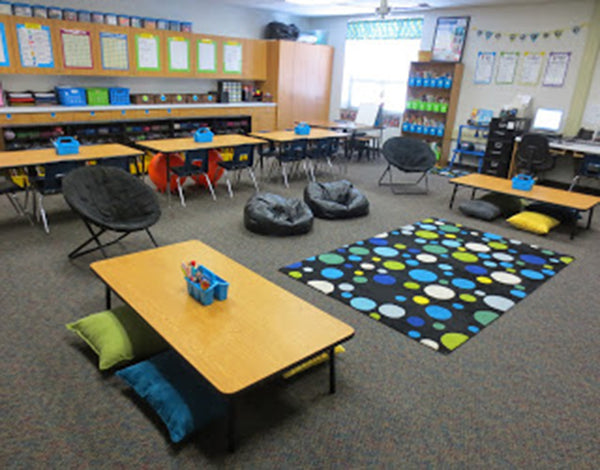
Flexible Seating for Students with Special Needs: Enhancing Learning and Inclusivity
In traditional classroom settings, students are often confined to rigid desks and chairs, which may not be suitable for everyone. However, educators are now recognizing the importance of providing flexible seating options to cater to the diverse needs of students, particularly those with special needs. By embracing a more inclusive approach through flexible seating arrangements, schools can create an environment that fosters learning, comfort, and engagement for all students.
What is Flexible Seating?
Flexible seating refers to a teaching method that allows students to choose where they sit in the classroom based on their individual preferences and needs. It offers a variety of seating options such as bean bags, floor cushions, wobble stools, standing desks, exercise balls, or even soft mats. The idea behind this approach is to give students the freedom to select a seat that helps them focus better and feel comfortable during class time.
Benefits for Students with Special Needs
1. Improved Focus: For many students with special needs like ADHD or autism spectrum disorder (ASD), sitting still in one place can be challenging. Flexible seating provides them with an outlet for excess energy by allowing movement while remaining engaged in learning activities. Studies have shown that incorporating movement into lessons can enhance attention spans and improve overall focus.
2. Sensory Stimulation: Some children with sensory processing disorders benefit from specific types of sensory input that traditional seats cannot provide. For instance, sitting on an exercise ball or using a cushioned chair allows them to receive constant tactile feedback and gentle movements that help regulate their sensory systems.
3. Posture Support: Traditional classroom chairs often lack proper ergonomic design considerations which can lead to discomfort and poor posture among students regardless of ability level. With flexible seating options like adjustable chairs or standing desks available as alternatives, children with physical disabilities or mobility impairments can find positions that offer optimal support while learning.
4. Increased Engagement: By giving students the autonomy to choose their seating, they become more invested in their educational experience. When children are comfortable and feel a sense of ownership over their learning environment, they are more likely to actively participate in class discussions and activities.
5. Social Interaction: Flexible seating arrangements encourage collaboration and communication among students. For instance, bean bags or floor cushions can be grouped together for group projects or discussions, facilitating peer interaction and teamwork. This social aspect is crucial for students with special needs who may struggle with social skills or need additional support in building relationships.
Implementing Flexible Seating Strategies
1. Educator Training: Before introducing flexible seating into the classroom, it is essential for educators to receive proper training on its benefits and effective implementation strategies. They should understand how different seating options can meet diverse student needs and be prepared to address any challenges that may arise during the transition period.
2. Individualized Plans: Recognize that each student has unique requirements when it comes to choosing appropriate flexible seating options. Collaborate with occupational therapists or other specialists involved in supporting students’ individual education plans (IEPs) to determine which seats would best accommodate each child’s specific needs.
3. Establish Ground Rules: Set clear expectations regarding behavior and respectful use of flexible seating within the classroom community. Teach students about responsible decision-making when selecting seats based on their needs rather than purely for fun or novelty purposes.
4. Regular Assessment: Continuously evaluate the effectiveness of different seating options by gathering feedback from both teachers and students themselves. This feedback will help identify which seats work well for certain individuals or groups while allowing adjustments as necessary.
Conclusion
Flexible seating goes beyond providing comfort; it fosters a more inclusive educational environment where all learners can thrive regardless of physical capabilities or learning differences. By embracing this approach, schools take an important step towards creating classrooms that prioritize individualized learning experiences tailored to suit every student’s unique needs and abilities.
Through improved focus, sensory stimulation, posture support, increased engagement, and enhanced social interaction, flexible seating can empower students with special needs to reach their full potential. As educators continue to explore innovative teaching methods, it is crucial that they prioritize inclusivity and provide the necessary tools for all students to succeed.
 Alternative Amie
Leave a comment