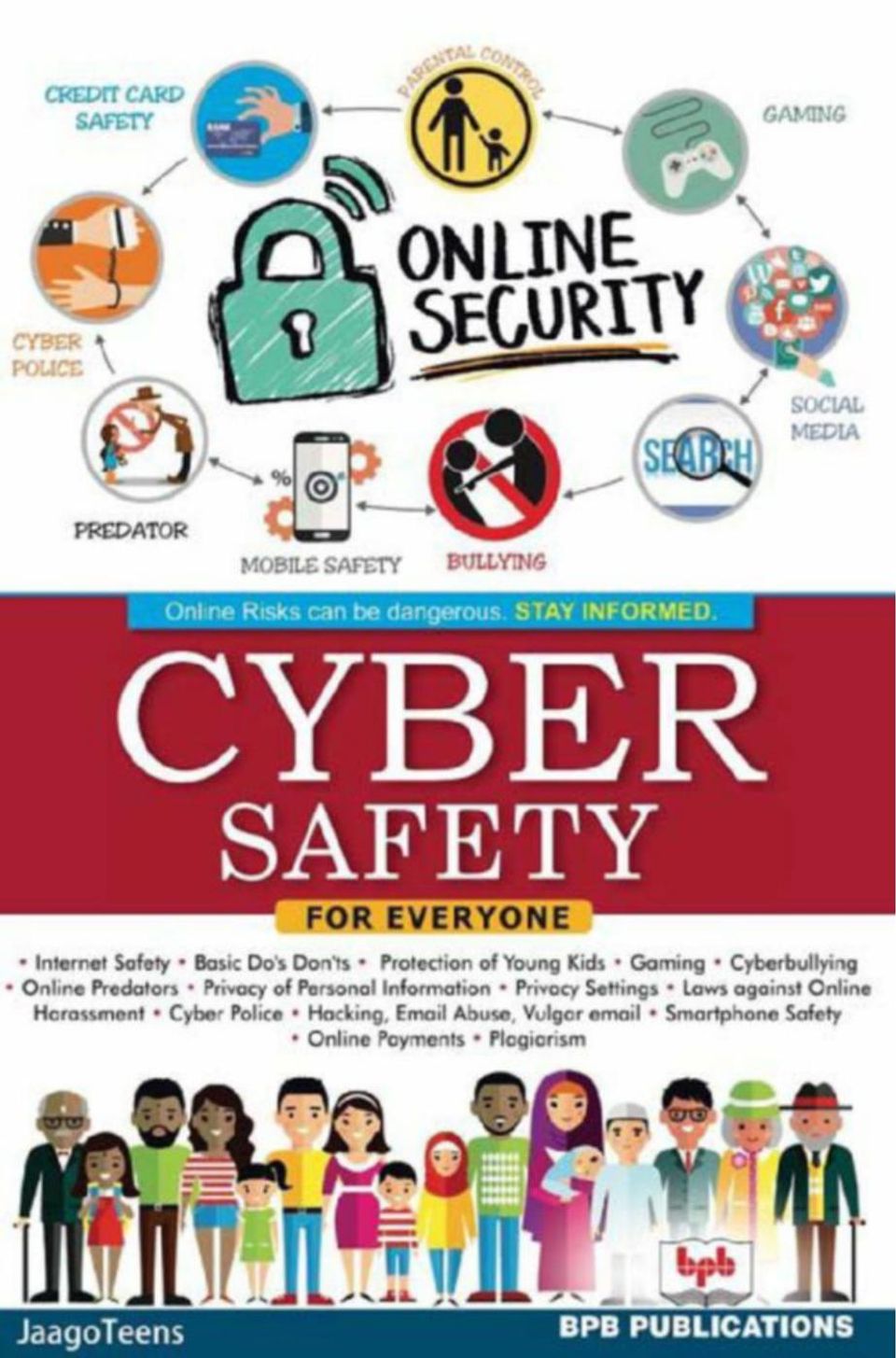
In today’s digital age, cybersecurity has become a pressing concern for individuals and organizations alike. With the increasing reliance on technology in our daily lives, it is crucial for students to be aware of the potential threats lurking in cyberspace. By educating themselves about cybersecurity best practices, students can protect their personal information and contribute to a safer online environment. In this case study-style post, we will delve into the importance of cybersecurity awareness for students and explore effective strategies to enhance their online safety.
1. Understanding Cybersecurity:
To begin with, it is essential for students to grasp the concept of cybersecurity. They should comprehend that it encompasses measures taken to protect computers, networks, and data from unauthorized access or damage. By recognizing the significance of cybersecurity as a proactive defense mechanism against cyber threats, students can develop a mindset that prioritizes security when engaging with digital platforms.
2. Identifying Cyber Threats:
Students should familiarize themselves with common cyber threats such as malware, phishing attacks, social engineering scams, ransomware, and identity theft. Knowing how these threats operate empowers them to recognize warning signs early on and take necessary precautions.
3. Strong Password Practices:
One fundamental aspect of cybersecurity is creating strong passwords. Students must understand the importance of using unique passwords for each online account they have and regularly updating them to avoid being an easy target for hackers.
4. Two-Factor Authentication (2FA):
Implementing two-factor authentication adds an extra layer of security by requiring users to verify their identities through another device or method before accessing their accounts. Encouraging students to enable 2FA wherever possible ensures enhanced protection against unauthorized access attempts.
5. Safe Browsing Habits:
Teaching safe browsing habits is crucial in preventing malicious software downloads or unintentional exposure to harmful websites that could compromise student’s devices or personal information.
6 Avoiding Phishing Attacks:
Phishing attacks are designed to trick individuals into revealing sensitive information like usernames, passwords, or financial details. Students should be educated about spotting phishing emails, messages, or websites and advised to verify the authenticity of sources before sharing any personal information.
7. Social Media Awareness:
Students often spend significant time on social media platforms where they share personal information freely. It is important for them to understand the potential risks associated with oversharing and carefully manage their privacy settings to limit access to their profiles.
8. Critical Thinking Skills:
Developing critical thinking skills is crucial in navigating the online world safely. Students must learn how to evaluate the credibility of online sources, recognize fake news, and be cautious when clicking on suspicious links or downloading files from untrusted websites.
9. Regular Software Updates:
Keeping software up-to-date is vital for maintaining a secure digital environment as updates often contain patches that address security vulnerabilities. Encouraging students to regularly update their devices’ operating systems and applications helps protect against known cyber threats.
10. Wi-Fi Security:
Educating students about the risks associated with public Wi-Fi networks and emphasizing the importance of connecting only through secure networks can prevent unauthorized access attempts by hackers who exploit weak security measures in public spaces like cafes or libraries.
11. Responsible Online Behavior:
Instilling responsible online behavior in students fosters a safer digital landscape for all users involved. They should be aware of ethical considerations such as respecting others’ privacy, refraining from cyberbullying or harassment, reporting any concerning activities promptly, and practicing good netiquette.
12 Cybersecurity Resources:
Providing students with resources like cybersecurity workshops, online courses, informative articles/videos will further enhance their awareness and knowledge regarding this topic.
In conclusion, cybersecurity awareness is essential for students in today’s interconnected world dominated by technology usage. By understanding cyber threats, adopting strong password practices and 2FA methods, developing safe browsing habits along with critical thinking skills while using social media responsibly; regular software updates; recognizing Wi-Fi security concerns, and practicing responsible online behavior, students can protect themselves from potential cyber risks. By empowering students with knowledge and skills related to cybersecurity, we can foster a safer digital environment for all.
 Alternative Amie
Leave a comment