Building Independence and Self-Motivation Skills in Hybrid Learners
Introduction:
In the rapidly evolving landscape of education, hybrid learning has emerged as a popular approach that combines traditional classroom teaching with online resources. While this model offers flexibility and personalized instruction, it also demands students to be more independent and self-motivated. In this article, we will explore effective strategies to foster independence and self-motivation among hybrid learners.
1. Set Clear Expectations:
To cultivate independence, it is crucial to establish clear expectations from the beginning. Clearly communicate the goals, objectives, and requirements of each assignment or task. Provide a detailed syllabus or course outline outlining deadlines for assignments and assessments. This helps students understand what is expected of them and encourages them to take ownership of their learning journey.
2. Foster Time Management Skills:
Time management plays a vital role in developing independence skills among hybrid learners. Teach students how to prioritize tasks by creating daily or weekly schedules that allocate specific time slots for different activities like attending online lessons, completing assignments, studying independently, etc. Encourage them to use digital tools such as calendars or planner apps to keep track of their commitments effectively.
3. Encourage Self-Reflection:
Promote self-reflection as an essential habit for building independence in hybrid learners. Encourage students to evaluate their strengths and weaknesses regularly, identify areas where they need improvement, set personal goals accordingly, and devise action plans to achieve those goals. By reflecting on their progress regularly, students become more aware of their own learning needs.
4. Nurture Problem-Solving Skills:
Hybrid learners often encounter technical issues or face challenges when working independently on assignments or projects outside the classroom environment. To develop problem-solving skills within these situations:
– Teach students how to troubleshoot basic technical problems.
– Encourage them to seek help from reliable online resources.
– Promote peer collaboration through virtual study groups or discussion forums where they can assist each other in problem-solving.
– Provide guidance on how to effectively communicate with teachers or instructors when facing difficulties.
5. Offer Choices and Autonomy:
Give hybrid learners opportunities to make choices within their learning process. Allow them to select topics for research projects, pick books of their interest for independent reading, or choose from a range of assignment formats (e.g., written essay, presentation, video). By having some autonomy over their learning experiences, students will be more engaged and motivated.
6. Provide Regular Feedback:
Feedback is crucial for self-motivation and improvement. Hybrid learners benefit greatly from timely feedback that acknowledges their efforts and highlights areas where they can grow further. Offer constructive feedback on assignments promptly, emphasizing both strengths and areas needing improvement. This helps students develop a growth mindset and motivates them to strive for continuous progress.
7. Cultivate Intrinsic Motivation:
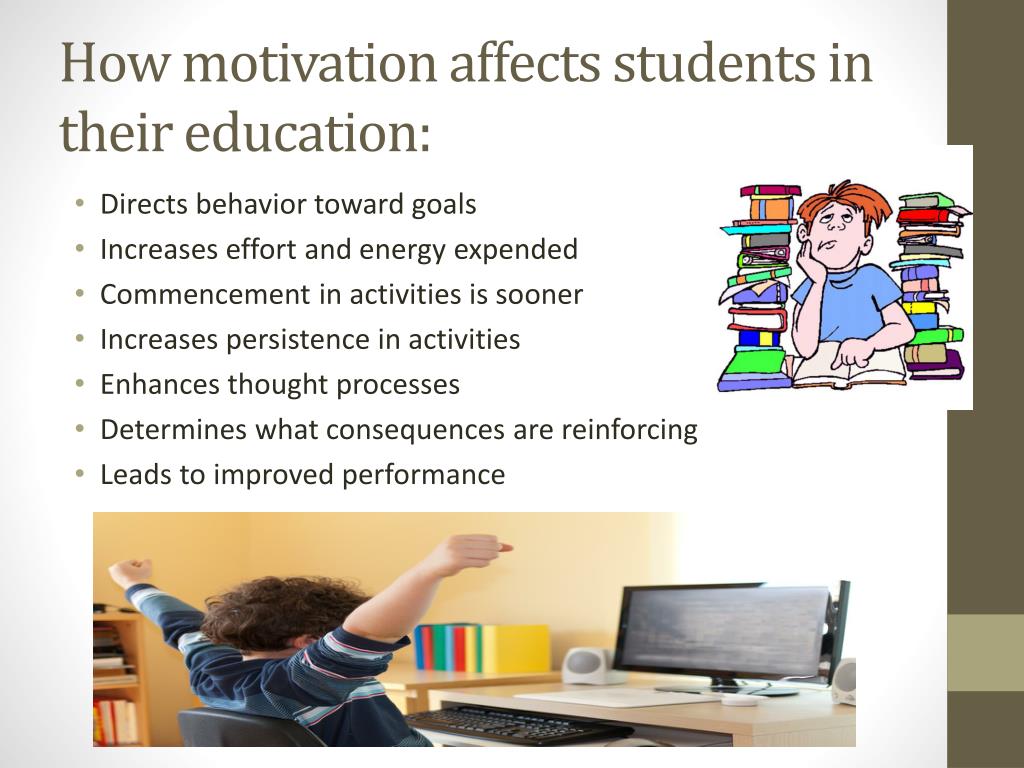
Intrinsic motivation is the key driver behind independence in hybrid learners. Encourage students by highlighting the relevance of what they are learning to real-life situations or future goals. Incorporate project-based learning activities that tap into their interests, allowing them to explore topics they are genuinely passionate about. Celebrate individual achievements and provide incentives like virtual badges or certificates as recognition for their efforts.
8. Foster a Supportive Learning Environment:
While hybrid learning requires independent work, it is essential not to underestimate the importance of a supportive community feel among learners. Create opportunities for collaboration through online discussions or group projects where students can connect with peers who have similar interests or goals. Encourage open communication channels between students and teachers so that support is readily available whenever needed.
Conclusion:
Building independence and self-motivation skills in hybrid learners is critical as it empowers them to take ownership of their education journey while adapting to the demands of remote learning environments successfully. By setting clear expectations, nurturing time management skills, encouraging self-reflection, promoting problem-solving abilities, offering choices and autonomy, providing regular feedback, cultivating intrinsic motivation, and fostering a supportive learning environment, educators can help students thrive in hybrid learning settings.
 Alternative Amie
Leave a comment