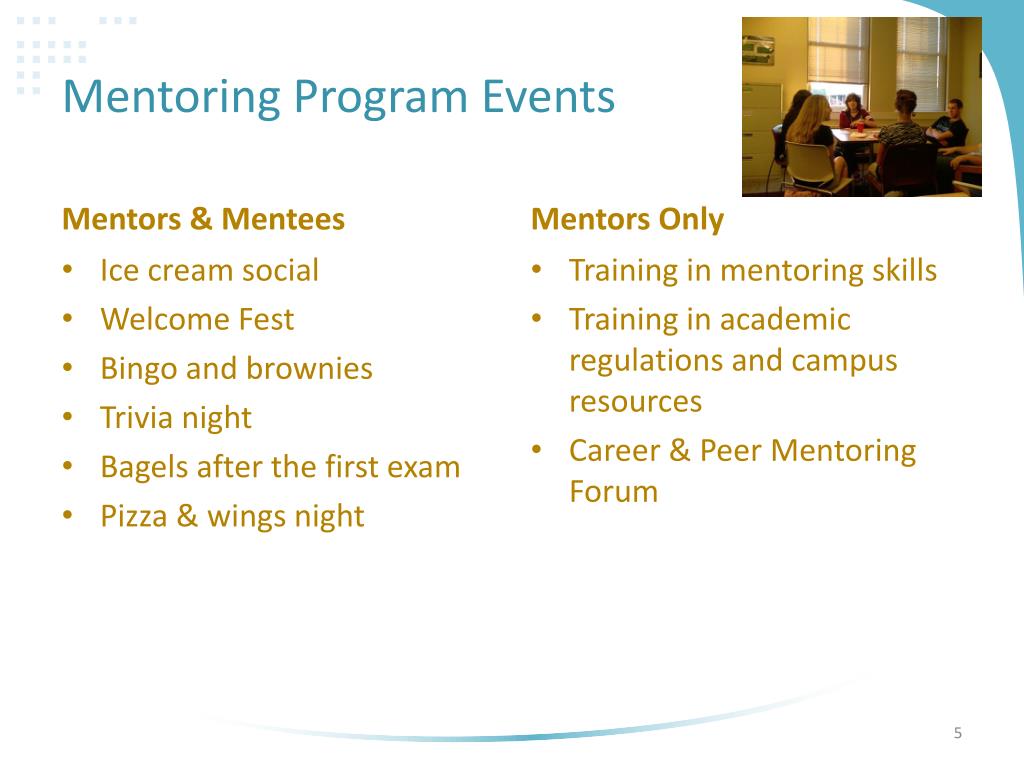
Peer mentoring programs have become increasingly popular in alternative education settings as a means to support and empower students. These programs pair older, more experienced students with younger or less experienced ones, creating a mutually beneficial relationship where both parties can learn and grow.
One of the key benefits of peer mentoring programs is the sense of community they foster within alternative schools. By connecting students across different grade levels or age groups, these programs create opportunities for collaboration and support that may not exist in traditional educational environments. Peer mentors serve as role models for their mentees, offering guidance on academic subjects, social skills development, and personal growth.
In homeschooling families, mentorship can play a crucial role in supplementing parental instruction. Homeschooling often involves parents taking on multiple roles as educators, which can be challenging for some families. By enlisting the help of mentors who specialize in specific subjects or areas of interest, homeschooling parents can provide their children with additional expertise and perspectives.
Similarly, mentorship is valuable in unschooling approaches where learning is self-directed based on individual interests rather than following a set curriculum. In this context, mentors act as facilitators who guide learners towards resources and experiences that align with their passions and goals. They provide support and encouragement while helping unschooled students navigate their unique educational journeys.
Mentorship also plays an important role in supporting students with special needs in alternative education settings. Students with disabilities often face unique challenges when it comes to accessing education that meets their individual needs. Mentors trained in special education or related fields can offer personalized guidance to these students while promoting inclusivity within the school community.
Project-based learning (PBL) environments emphasize hands-on experiences and real-world application of knowledge. In such settings, mentors provide guidance throughout the project cycle by sharing expertise related to the project topic or industry-specific knowledge. They assist students in developing critical thinking skills, problem-solving abilities, and effective communication strategies necessary for project success.
Gifted and talented students also benefit from mentorship in alternative education settings. These students often have unique learning needs that may not be fully addressed in traditional classrooms. Mentors who specialize in gifted education can provide these students with appropriate challenges, help them develop their talents, and support their social-emotional well-being.
At-risk youth attending alternative schools require additional support to overcome barriers to academic success. Mentorship programs tailored for at-risk students offer guidance and advocacy, helping them build resilience, develop positive relationships, and make informed decisions about their education and future paths.
Self-directed learning is a key focus of many alternative education approaches. In this context, mentors act as facilitators who guide learners towards resources and experiences that align with their passions and goals. They provide support and encouragement while helping self-directed learners navigate their unique educational journeys.
Experiential education emphasizes hands-on learning through real-world experiences. In such settings, mentors serve as guides or instructors during field trips or community-based projects, providing expertise related to the experience being undertaken by the students. They help facilitate reflection on the experience to promote deeper understanding and growth.
Alternative education also places emphasis on social-emotional development alongside academics. Mentorship programs focused on social-emotional development provide a supportive environment where students can discuss personal challenges, learn coping strategies, build self-confidence, develop empathy for others, and practice healthy communication skills.
Non-traditional career paths often require specialized knowledge or skills that may not be easily accessible through traditional educational pathways. Mentorship programs aimed at supporting students exploring non-traditional careers connect them with professionals working in those fields who can offer guidance on necessary skills acquisition, networking opportunities, internships or apprenticeships placement.
Outdoor and nature-based education programs emphasize experiential learning in natural environments. Mentors in these settings share knowledge about environmental conservation practices while fostering an appreciation for nature among the mentees. They teach practical outdoor skills such as camping, hiking, and survival techniques while guiding students in ecological exploration.
Students pursuing creative arts education can benefit from mentorship programs that connect them with professionals in their chosen field. These mentors provide guidance on technique, portfolio development, career opportunities, and offer inspiration through their own experiences as working artists.
In online and virtual learning environments, mentorship plays a crucial role in providing personalized support to students who may feel isolated or disconnected. Online mentors help students navigate the digital platform, set goals, manage time effectively, and provide academic guidance in an online format.
Entrepreneurial education and startup programs often require guidance beyond traditional classroom instruction. Mentors with entrepreneurial backgrounds can offer expertise on business planning, marketing strategies, financial management, networking opportunities, and general support for aspiring student entrepreneurs.
Community-based alternative schooling initiatives often rely heavily on volunteer mentors from the local community. These mentors bring diverse perspectives into the learning environment while sharing their knowledge and skills with students. They foster community engagement by connecting learners to local resources or organizations that align with their interests.
Transitioning from traditional to alternative schooling can be challenging for some students. Mentorship programs designed specifically for this transition period offer support during the adjustment phase by pairing new students with experienced peers who have already made the transition successfully. These mentors help ease concerns and provide insights into alternative educational approaches.
Democratic or free schools are based on principles of self-governance where students have significant control over their educational experiences. In such settings, mentors act as facilitators rather than authority figures. They guide decision-making processes within the school community while ensuring that all voices are heard.
Students exploring different educational philosophies benefit from mentorship programs that expose them to various pedagogies outside of mainstream methods. These mentors help students understand different approaches to education such as Montessori or Waldorf-inspired methods so they can make informed choices about their own learning journey.
Alternative high school programs cater to a wide range of student needs, including those who may struggle in traditional settings. Mentorship programs in alternative high schools provide academic and emotional support to students, helping them stay engaged, develop self-confidence, and prepare for post-secondary education or career pathways.
Students pursuing vocational training or apprenticeships benefit from mentorship programs that connect them with professionals in their chosen field. These mentors offer guidance on skill development, workplace expectations, networking opportunities, and provide ongoing support throughout the vocational training process.
Montessori or Waldorf-inspired educational settings prioritize holistic development through hands-on activities and individualized learning experiences. Mentors in these environments guide students towards self-directed exploration while ensuring they engage with the curriculum effectively.
Self-paced or individualized learning approaches allow students to progress at their own pace based on their readiness and interests. In this context, mentors help learners set goals, design personalized learning plans, track progress and provide feedback along the way. They act as a source of motivation and accountability for self-paced learners.
Mentorship programs focusing on cultural diversity and inclusion within alternative education are essential for creating inclusive learning environments where all students feel valued and respected. Mentors with diverse backgrounds can offer insights into different cultures while encouraging dialogue around equity issues within the school community.
Co-operative learning communities emphasize collaboration among learners who actively contribute to decision-making processes within the school environment. Within these communities, mentorship opportunities arise organically as more experienced peers share knowledge with those just starting their educational journeys.
In conclusion, mentorship plays a crucial role in supporting students’ growth and success across various alternative education settings. Whether it is peer mentoring programs that foster a sense of community or specialized mentors who provide subject-specific guidance or social-emotional support, these relationships enhance student engagement, promote personal development, and empower learners to thrive in alternative educational environments.
 Alternative Amie
Leave a comment