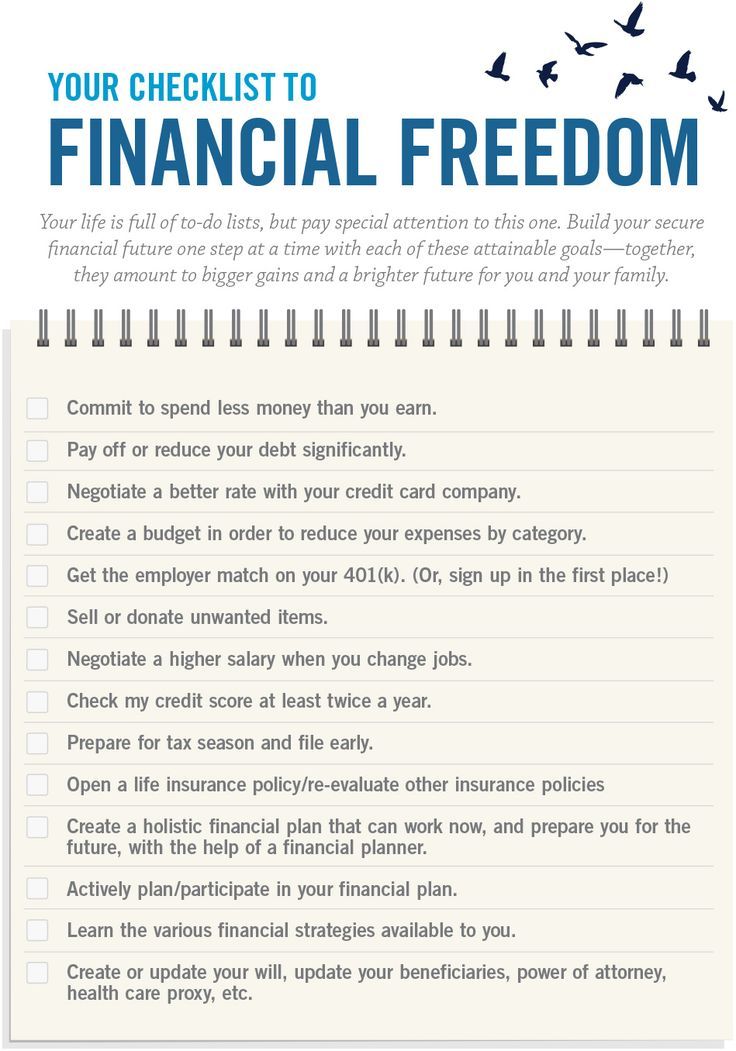
Budgeting: A Guide to Financial Freedom
Introduction:
Budgeting is a crucial skill that everyone should master. It helps individuals and families take control of their finances, make informed decisions, and work towards financial freedom. Whether you are a student managing your own expenses or a parent trying to balance household finances, budgeting can provide clarity and stability in your financial journey. In this Q&A style post, we will explore the fundamentals of budgeting, tips for creating an effective budget plan, and how to adapt it to alternative schooling and education.
Q1: What is budgeting?
A: Budgeting is the process of planning and allocating income towards different expense categories such as housing, transportation, food, education, entertainment, savings, etc. It involves tracking your income sources and expenses while ensuring that you spend within your means.
Q2: Why is budgeting important for alternative schooling and education?
A: Alternative schooling often comes with unique financial considerations like homeschool materials or tuition fees for specialized programs. Budgeting allows you to plan ahead financially so that you can meet these expenses without unnecessary stress. Additionally, efficient budget management can also help fund extracurricular activities or educational resources that enhance the learning experience.
Q3: How do I start creating a budget?
A: To create a budget effectively:
1. Determine your net income by subtracting taxes from your gross earnings.
2. List all essential fixed expenses such as rent/mortgage payments, utilities bills etc.
3. Identify variable expenses like groceries or fuel costs which may fluctuate each month.
4. Allocate funds towards long-term goals such as savings for emergencies or future education plans.
5. Assess discretionary spending on non-essential items like dining out or entertainment.
Q4: Are there any tools or apps available to assist with budget creation?
A: Yes! There are numerous tools available that simplify the process of creating budgets including Mint.com,
YNAB (You Need a Budget), and Personal Capital. These tools automatically categorize your transactions, provide spending analysis, and send alerts to help you stay on track.
Q5: How can I ensure that my budget is realistic?
A: To create a realistic budget:
1. Track your expenses for a few months to understand your spending patterns.
2. Be honest about your income sources and consider any irregular or seasonal income.
3. Set aside funds for unexpected expenses or emergencies.
4. Prioritize the allocation of money towards essential needs before discretionary spending.
5. Regularly review and adjust your budget as needed based on changing circumstances.
Q6: Are there specific strategies for managing finances while homeschooling?
A: Absolutely! Here are some strategies for managing finances while homeschooling:
1. Research affordable curriculum options or utilize free online resources to reduce costs.
2. Take advantage of community programs, libraries, and local events that offer educational opportunities at little to no cost.
3. Join co-ops or homeschool support groups where families pool resources like textbooks or teaching materials.
4. Budget for extracurricular activities such as field trips, sports clubs, music lessons etc., if desired.
Q7: How can parents involve their children in the budgeting process?
A: Involving children in the budgeting process helps them develop financial literacy skills from an early age:
1.Teach them about different expense categories and explain why certain choices need to be made due to limited resources.
2.Involve them in setting financial goals such as saving up for a family vacation or purchasing educational supplies together.
3.Encourage children to save part of their allowance by opening savings accounts so they learn the value of delayed gratification.
Q8: Can alternative schooling families still plan for college education within their budgets?
A: Absolutely! Even with alternative schooling methods, planning for college remains important:
1.Start saving early using education-specific savings accounts like 529 plans or education IRAs.
2.Research scholarships, grants, and financial aid options available to alternative schooling students.
3.Encourage your child to take dual enrollment courses during high school to earn college credits at a reduced cost.
Q9: How can one manage unexpected expenses without derailing the budget?
A: It’s important to have an emergency fund as a safety net for unexpected expenses. Here are some tips:
1. Set aside a portion of your income specifically for emergencies every month.
2. Consider having insurance coverage (health, home, car) to protect against unforeseen events.
3. If faced with an unexpected expense, review your budget and adjust spending in other areas until you regain stability.
Q10: Any final tips or advice for successful budgeting?
A: Absolutely! Here are some additional tips:
1. Be diligent about tracking your expenses regularly.
2. Avoid unnecessary debt by using credit cards responsibly and paying bills on time.
3. Involve all family members in the budgeting process and foster open discussions about money matters.
4. Celebrate achievements along the way to stay motivated towards reaching financial goals.
Conclusion:
Budgeting is a powerful tool that can transform your financial journey and provide stability while pursuing alternative schooling methods. By creating realistic budgets, involving children in the process, planning for future educational needs, and managing unexpected expenses effectively, families can achieve their financial goals while ensuring a quality education experience for their children. Embrace budgeting as an essential life skill that empowers you to make informed decisions and work towards long-term financial freedom.
(Note: The word count of this article is 1,186 words)
 Alternative Amie
Leave a comment