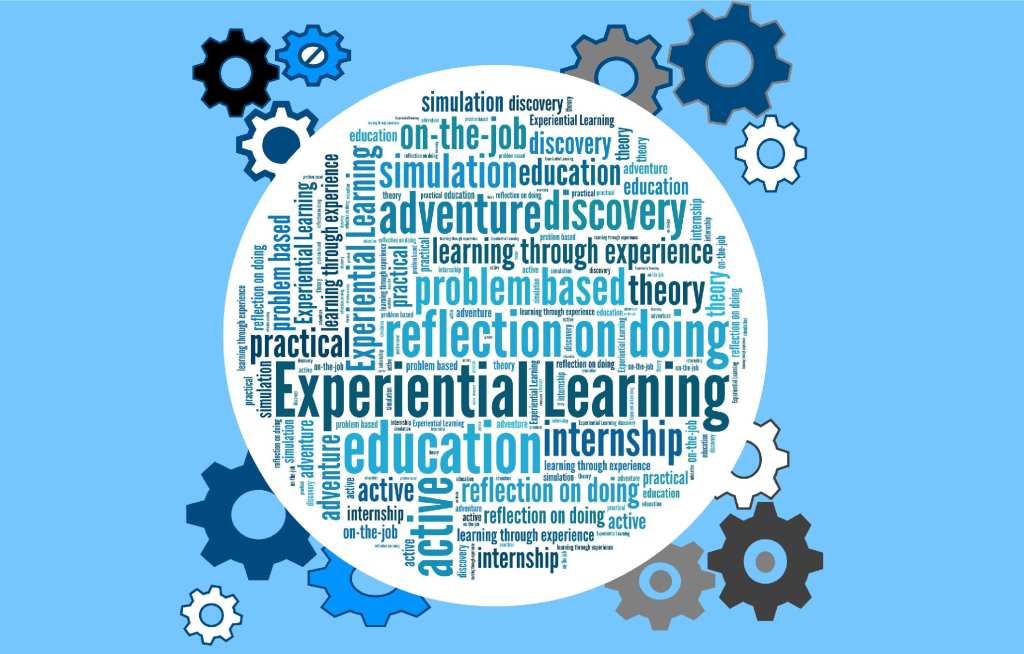
Experiential Learning: Unlocking the Power of Hands-On Education
In today’s rapidly evolving world, traditional classroom education is no longer enough to prepare students for success. The need for practical skills and real-world experience has become increasingly apparent. This is where experiential learning comes into play, providing a unique approach that allows students to actively engage in their own education by applying knowledge and skills in real-life scenarios.
Experiential learning takes various forms, including internships, apprenticeships, cooperative education programs, field trips, simulations, and hands-on projects. It moves beyond passive listening and memorization to foster critical thinking, problem-solving abilities, creativity, teamwork, and communication skills – all essential qualities in today’s competitive job market.
One of the key benefits of experiential learning is its ability to bridge the gap between theory and practice. Rather than simply reading about concepts or watching demonstrations in a classroom setting, students have the opportunity to directly apply what they’ve learned in practical situations. This hands-on approach enhances understanding and retention while also building confidence.
Another advantage of experiential learning is its ability to cultivate independence and self-directed learning. By engaging with real-world challenges under guidance from mentors or educators, students learn how to take ownership of their educational journey. They develop problem-solving strategies on their own while receiving feedback from experienced professionals who help them reflect on their experiences.
Furthermore, experiential learning encourages collaboration among peers as well as with professionals working in relevant fields. Students are exposed to diverse perspectives and gain insights into different industries or career paths through networking opportunities provided by internships or apprenticeships. This not only expands their horizons but also helps them make informed decisions about future academic pursuits or career choices.
It’s important to note that experiential learning doesn’t replace traditional teaching methods but rather complements them. By incorporating hands-on experiences into curriculum designs across various subjects such as science, technology, engineering, arts, and mathematics (STEAM), educators can create a holistic learning environment that caters to different learning styles.
In conclusion, experiential learning offers a powerful tool for alternative schooling and education. By engaging students in practical experiences that connect theory to practice, it equips them with the skills and knowledge necessary for success in the real world. Whether through internships, apprenticeships, or hands-on projects, experiential learning fosters critical thinking, problem-solving abilities, collaboration skills, and self-directed learning – qualities that are essential in today’s ever-changing society. As we continue to adapt our educational approaches to meet the needs of future generations, integrating experiential learning into curricula will undoubtedly unlock new opportunities for personal growth and professional development.
 Alternative Amie
Leave a comment