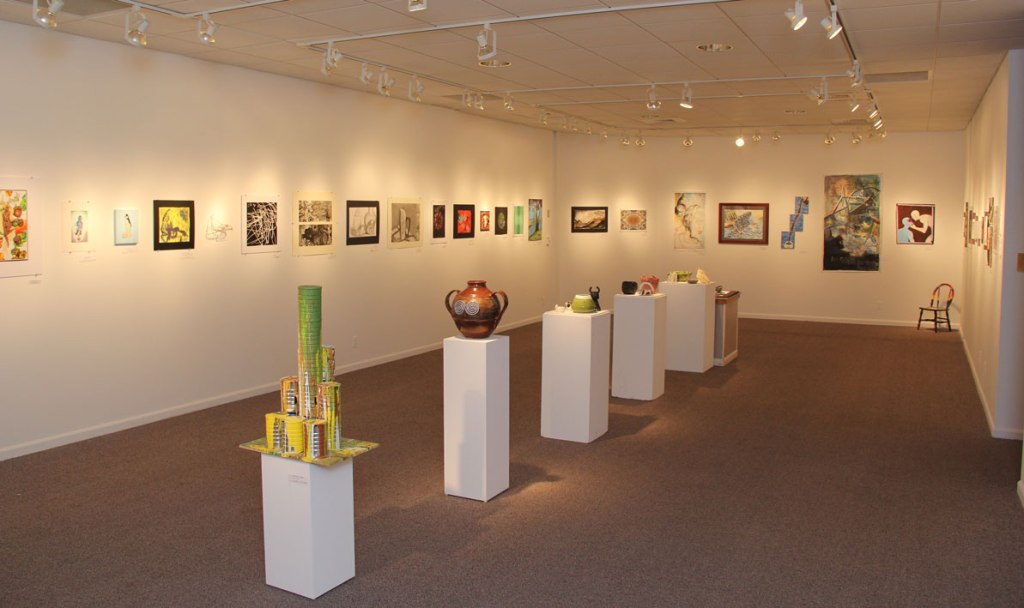
Art Galleries: Exploring Creativity and Education
Introduction:
Art galleries have long been regarded as spaces that showcase creativity, inspire thought-provoking discussions, and offer unique learning opportunities. These cultural institutions play a significant role in alternative schooling and education by exposing students to diverse artistic expressions, fostering critical thinking skills, and encouraging personal growth. In this article, we will delve into the world of art galleries, exploring their educational potential and highlighting why they are essential for holistic development.
1. Encouraging Creativity:
One of the primary benefits of visiting an art gallery is its ability to ignite creativity in individuals of all ages. By exposing students to various mediums such as paintings, sculptures, installations, photography, and multimedia works, these spaces provide endless sources of inspiration. Observing different styles and techniques helps develop an appreciation for different forms of artistic expression while encouraging individuals to explore their own creative abilities.
2. Cultural Exposure:
Art galleries serve as gateways to different cultures from around the world. Students can explore artworks that depict historical events or traditions specific to a particular region or community. Through these immersive experiences, young learners gain insights into diverse cultures’ values, beliefs, practices, and perspectives. Such exposure fosters tolerance and empathy while broadening their understanding of global interconnectedness.
3. Critical Thinking Skills:
Visiting an art gallery requires active engagement with the artworks on display—analyzing composition techniques used by artists or deciphering hidden meanings behind certain visual elements encourages critical thinking skills among students. Artworks often pose questions about society’s norms or challenge existing paradigms through symbolic representations. Engaging in thoughtful discussions about these themes enhances analytical skills while promoting open-mindedness.
4. Emotional Intelligence Development:
Emotional intelligence plays a crucial role in personal growth and interpersonal relationships—an aspect nurtured through exposure to art at galleries. Art evokes emotions; it elicits deep feelings within viewers’ hearts that can be interpreted differently by each individual. Students can learn to identify and articulate their emotions while developing empathy towards others’ perspectives. This heightened emotional intelligence helps them navigate through complex situations with sensitivity and understanding.
5. Enhancing Communication Skills:
Art galleries provide a platform for individuals to engage in meaningful conversations about artworks, allowing students to refine their communication skills. These spaces encourage dialogue between visitors, artists, gallery curators, and educators. By actively participating in discussions about artistic techniques or interpreting the intentions of an artwork, students develop effective verbal expression and listening skills.
6. Exposure to Different Artistic Careers:
Visiting art galleries exposes students to various career possibilities within the art industry beyond being a traditional artist. They can witness the diverse roles played by curators, gallery managers, art historians, conservators, educators, and many more professionals involved in making exhibitions happen. Such exposure broadens students’ horizons regarding potential future paths they may consider pursuing.
7. Interactive Learning Experiences:
Many art galleries offer interactive exhibits that go beyond passive observation of artworks. These experiences often involve multimedia installations or digital platforms that enable participants to actively engage with the artwork itself—touching it or even becoming part of it through virtual reality technologies. Such immersive encounters make learning more engaging and memorable for students.
8. Bridging Art with Other Disciplines:
Art is inherently interdisciplinary—it intertwines with history, science, literature, mathematics, psychology—the list goes on! Art galleries provide opportunities for cross-curricular learning by connecting artistic expressions with other subjects taught in schools or alternative educational settings. For instance, an exhibition on Leonardo da Vinci could spark interest not only in his paintings but also ignite curiosity about his scientific inventions.
Conclusion:
Art galleries are invaluable resources for alternative schooling and education systems worldwide because they foster creativity development; expose students to diverse cultures; enhance critical thinking skills; nurture emotional intelligence; promote effective communication; showcase various career possibilities within the arts industry; offer interactive learning experiences, and bridge art with other disciplines. These spaces provide a rich tapestry of visual stimuli that encourage students to explore their own creativity, think critically about societal issues, and develop a deeper appreciation for the arts. As we continue to seek innovative approaches in education, art galleries remain essential partners in nurturing well-rounded individuals who can contribute meaningfully to society.
 Alternative Amie
Leave a comment