Small schools offer a unique and alternative approach to education, focusing on personalized learning, community involvement, and individualized support. In this article, we will explore various aspects of small schools and their impact on education.
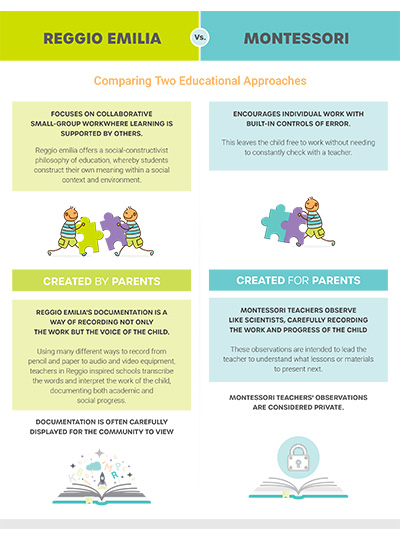
Montessori schools are known for their child-centered approach, where students have the freedom to choose their activities and learn at their own pace. The emphasis is on hands-on learning and multi-age classrooms that promote peer collaboration.
Waldorf schools follow a holistic educational philosophy that emphasizes creativity, imagination, and experiential learning. They focus on integrating arts into all subjects and nurturing the whole child through a balanced curriculum.
The Reggio Emilia approach is centered around child-led projects that encourage exploration, problem-solving skills, and social interaction. It values the importance of relationships in the learning process between students, teachers, parents, and the community.
Democratic schools provide students with an equal say in decision-making processes within the school community. This fosters a sense of autonomy and responsibility among students while promoting active citizenship.
Unschooling is a self-directed form of education where children learn through their natural curiosity and interests rather than following a structured curriculum. It encourages independent thinking and lifelong learning.
Project-based learning in small schools allows students to engage in real-world projects that integrate multiple subjects. This hands-on approach promotes critical thinking skills while developing practical knowledge.
Outdoor education in small schools takes advantage of natural environments as extensions of classrooms. Students learn through outdoor activities like gardening or nature walks which foster environmental awareness and appreciation for nature.
Small school collaborations involve partnerships with other organizations or communities to enhance resources available to students. These collaborations can range from local businesses offering internships to universities providing mentorship programs.
Funding for small schools can be challenging due to limited resources compared to larger institutions. However, creative approaches such as grants or fundraising efforts can help bridge these gaps.
In small schools with low teacher-student ratios, educators can provide individualized attention and support to each student. This allows for personalized instruction, tailored to the unique needs and learning styles of students.
Small school communities often involve parents in decision-making processes, fostering a strong sense of belonging and shared responsibility for the students’ education. Parent involvement can range from volunteering in classrooms to participating in school governance.
Curriculum customization is a key feature of small schools, allowing educators to tailor lessons based on individual student interests and abilities. This flexibility promotes engagement and deeper learning experiences.
Homeschooling cooperatives provide opportunities for families who choose to educate their children at home but want to create socialization opportunities with other homeschoolers. These cooperatives offer group activities, classes, or field trips.
Micro-schools are small-scale educational institutions that focus on personalized learning, typically with fewer than 150 students. They often emphasize project-based or experiential learning approaches.
Socialization and peer interaction are important aspects of small schools. Multi-age classrooms encourage collaboration among students of different ages, fostering mentorship relationships and diverse perspectives.
Support for students with special needs is a priority in small schools. With smaller class sizes, teachers can provide individualized support while also promoting inclusive practices that value diversity.
Alternative assessment methods such as portfolios or presentations are commonly used in small schools instead of traditional exams. These methods allow for more comprehensive evaluation of student progress and growth across various areas.
Technology integration in small schools focuses on using technology as a tool rather than the primary means of instruction. It emphasizes critical thinking about technology’s impact on society while teaching digital literacy skills.
Parent involvement is highly valued in small schools as it strengthens the partnership between home and school environments. Parents participate actively through volunteering, attending events, or collaborating with teachers on their child’s education.
Multicultural education is essential in preparing students for an increasingly diverse world. Small schools prioritize creating inclusive environments where all cultures are respected and celebrated through curriculum integration and community partnerships.
Place-based education connects learning to the local community and environment. It emphasizes experiential learning through field trips, community service projects, or collaborations with local organizations.
Experiential learning is a core component of small schools, encouraging students to learn by doing. This hands-on approach promotes engagement and deep understanding of concepts through real-world experiences.
Transitions from small schools to higher education or traditional schooling can be smooth due to the personalized attention given in small schools. Students are often well-prepared academically and socially for their next educational steps.
Small school teacher professional development opportunities focus on individual growth and collaboration among educators. Professional development may include workshops, conferences, or peer mentoring programs.
Advocacy and policy issues play a crucial role in promoting the success of small schools. Advocates work towards securing funding, ensuring equitable policies, and raising awareness about the benefits of alternative education options.
In conclusion, small schools offer unique approaches to education that prioritize personalized learning, community involvement, and individualized support. They provide opportunities for students to thrive academically while developing essential life skills in a nurturing environment where they are known as individuals rather than just another face in the crowd.
 Alternative Amie
Leave a comment