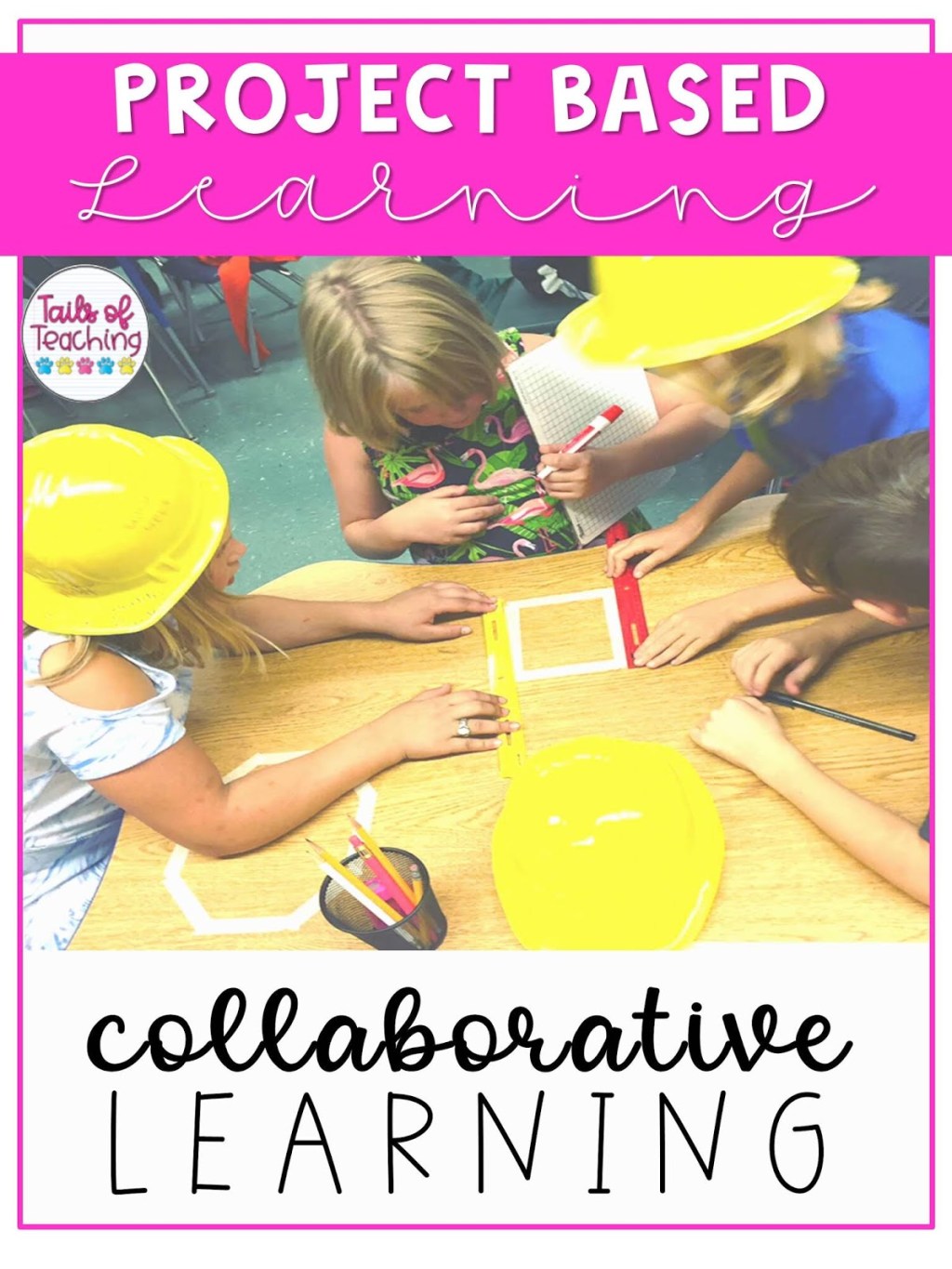
Project-based learning (PBL) has gained recognition as an effective approach to education, offering students a chance to engage in hands-on, real-world experiences that foster critical thinking and problem-solving skills. Unlike traditional lecture-style teaching, PBL focuses on active participation and collaboration.
One of the key benefits of project-based learning is its ability to make learning meaningful and relevant for students. By working on projects that align with their interests and passions, students are more motivated to learn and apply knowledge. This approach also promotes the development of important 21st-century skills such as communication, creativity, collaboration, and critical thinking.
In a project-based learning environment, students take ownership of their education. They have the freedom to explore topics deeply, ask questions, conduct research, propose ideas, and work together to find solutions. This process encourages independent thinking and fosters a sense of responsibility.
Another advantage of PBL is its ability to cultivate teamwork and social skills in students. Through collaborative projects, they learn how to effectively communicate their ideas with peers from diverse backgrounds while respecting different perspectives. This prepares them for future challenges in the workplace where teamwork is often crucial.
Furthermore, project-based learning helps bridge the gap between theory and practice by allowing students to apply what they’ve learned in authentic contexts. Whether it’s building a model or designing an app prototype, PBL enables learners to see firsthand how academic concepts translate into real-world applications.
However successful implementation of project-based learning requires careful planning from educators who need to design projects that align with curriculum standards while facilitating student engagement. Teachers must also provide guidance throughout the process by scaffolding instruction when needed.
In conclusion, project-based learning offers numerous advantages over traditional teaching methods by promoting student engagement through hands-on experiences that foster critical thinking skills while preparing them for future success in various fields. Its focus on relevance makes education meaningful for learners who actively participate in their own educational journey through collaboration with peers while applying theoretical concepts to practical situations.
 Alternative Amie
Leave a comment