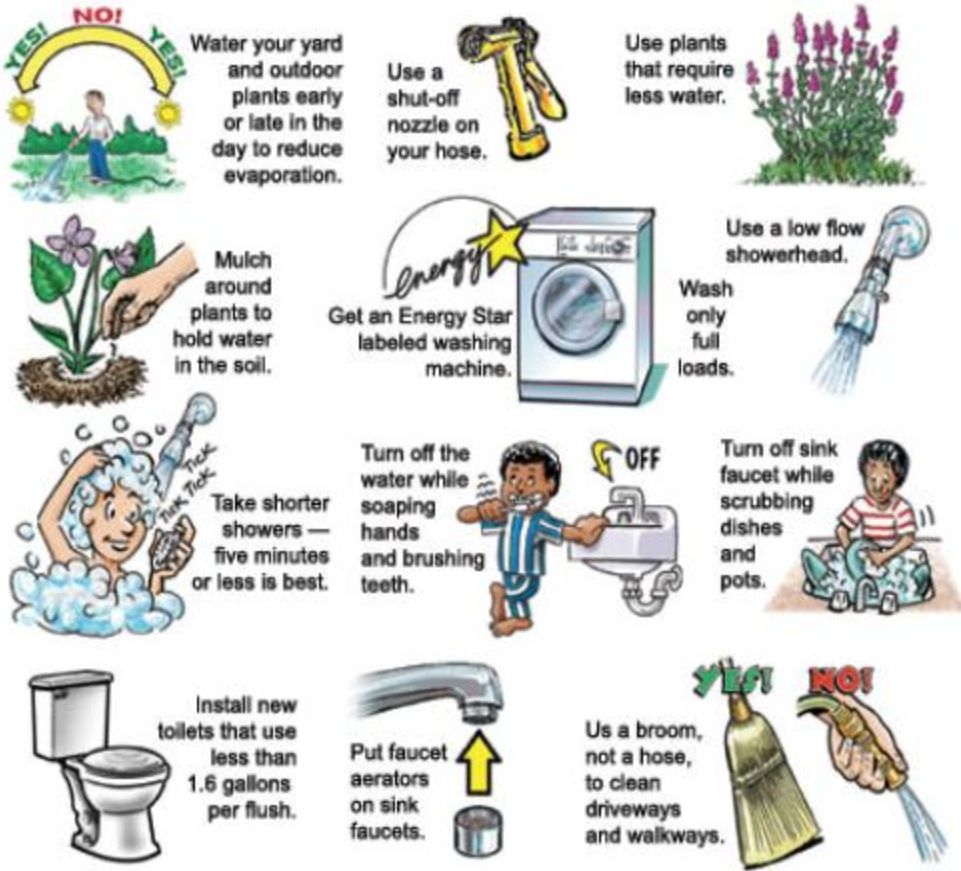
Water Conservation Techniques: A Sustainable Approach to Preserving Our Precious Resource
Introduction:
Water is an essential natural resource that sustains all life on Earth. However, with the growing global population and increasing demands for water in various sectors, it is crucial to adopt sustainable practices to conserve this precious resource. Water conservation techniques play a vital role in reducing wastage, protecting ecosystems, and ensuring a reliable water supply for future generations. In this article, we will explore some effective strategies and approaches that can be implemented at home, in schools, and within communities to promote responsible water usage.
1. Understanding the Importance of Water Conservation:
Before delving into practical techniques for conserving water, it is important to understand why such efforts are necessary. Freshwater scarcity is becoming a major concern globally due to factors like climate change, pollution, over-extraction from ground sources, and inefficient use of water resources. By conserving water through conscious actions and behavioral changes, we can help mitigate these issues.
2. Implementing Efficient Indoor Water Usage Practices:
One significant area where individuals can make a difference in water conservation is within their own households. Several simple yet effective measures can be taken indoors to reduce unnecessary wastage:
a) Fix Leaks: Regularly check faucets, toilets, and pipes for any leaks or drips. Repair them promptly as even minor leaks can lead to substantial losses over time.
b) Install Water-Efficient Fixtures: Replace old toilets with low-flow models that use less water per flush without compromising performance. Similarly, installing aerators on faucets reduces flow rates while maintaining adequate pressure.
c) Optimize Dishwashing Habits: Only run dishwashers when they are fully loaded instead of washing smaller loads frequently by hand. Additionally, consider using eco-friendly dishwasher detergents that require less rinsing.
d) Adopt Responsible Laundry Practices: Use high-efficiency washing machines whenever possible as they consume significantly less water per load. Also, try to wash full loads and reuse towels whenever possible.
3. Outdoor Water Conservation Techniques:
While indoor conservation is crucial, implementing responsible practices outdoors can have an even greater impact due to the larger volumes of water involved. Here are some techniques for conserving water in outdoor spaces:
a) Efficient Irrigation Systems: Replace traditional sprinklers with drip irrigation systems that deliver water directly to plant roots, minimizing evaporation losses. Additionally, install rain sensors or smart controllers that adjust watering schedules based on weather conditions.
b) Use Native and Drought-Tolerant Plants: Landscaping with plants that are adapted to the local climate requires less watering and maintenance. Native species often thrive better as they are naturally suited to the region’s rainfall patterns.
c) Mulching: Applying a layer of organic mulch around plants helps retain moisture in the soil by reducing evaporation and weed growth. This practice also improves soil health over time.
d) Collect Rainwater: Install rain barrels or cisterns to collect rainwater from rooftops. This harvested water can be used for tasks like watering gardens, washing cars, or cleaning outdoor areas.
4. Education and Awareness Programs:
Promoting water conservation at educational institutions plays a crucial role in shaping young minds towards sustainable practices. By incorporating environmental education programs into their curriculum, schools can instill a sense of responsibility among students towards protecting natural resources like water. Activities such as interactive workshops, field trips to wastewater treatment plants or wetlands, and community projects focused on preserving local watersheds help raise awareness about the importance of water conservation.
5. Community Involvement:
Water conservation efforts become more impactful when entire communities come together with shared goals and objectives:
a) Public Campaigns: Organize community-wide campaigns aimed at raising awareness about responsible water usage through various mediums like social media outreach, posters/banners in public spaces, or hosting informational sessions at local events.
b) Incentives and Rebates: Encourage community members to adopt water-efficient practices by offering incentives or rebates for installing low-flow fixtures, rainwater harvesting systems, or landscaping with native plants.
c) Community Gardens: Promote the establishment of community gardens where residents can grow their own food using sustainable irrigation techniques such as drip irrigation. This fosters a sense of ownership and responsibility towards water usage.
Conclusion:
Water conservation is not just an individual’s responsibility; it requires collective efforts from households, schools, and communities to ensure a sustainable future. By implementing efficient indoor water usage practices, adopting responsible outdoor techniques, incorporating environmental education programs in schools, and fostering community involvement through awareness campaigns and incentives, we can protect our precious water resources. Remember that every drop saved today contributes significantly to a more secure and resilient water future for generations to come.
 Alternative Amie
Leave a comment