Design Thinking in Project-Based Learning
In recent years, there has been a growing recognition of the importance of project-based learning (PBL) in alternative education settings. PBL provides students with meaningful and authentic learning experiences that go beyond traditional classroom instruction. It allows them to delve into real-world problems, develop critical thinking skills, and work collaboratively to find innovative solutions.
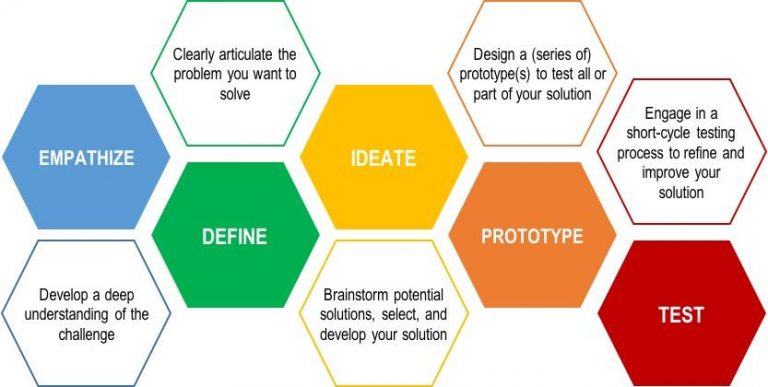
One approach that has gained popularity in PBL is design thinking. Design thinking is a problem-solving methodology that empowers students to tackle complex challenges by applying creative and human-centered strategies. It encourages empathy, experimentation, and iteration throughout the entire process. By incorporating design thinking principles into their projects, educators can create an environment where students become not just learners but also designers and innovators.
So how does design thinking fit into PBL? Let’s explore its key components and see how it enhances the learning experience for students.
Empathy: The first step in design thinking is to understand the needs and perspectives of others. In PBL, this means conducting research, interviewing stakeholders or experts, and immersing oneself in the context of the project. By fostering empathy within their projects, educators help students develop a deeper understanding of real-world issues while promoting social-emotional development.
Define: Once students have gathered insights from their research phase, they move on to defining the problem they want to solve or address. This involves synthesizing information and identifying patterns or trends that will guide their project direction. Through this process, students develop critical-thinking skills as they analyze data to make informed decisions about how best to proceed with their projects.
Ideate: In ideation, students brainstorm potential solutions or approaches to address the defined problem. This phase encourages creativity and divergent thinking as learners generate multiple ideas without judgment or evaluation initially. By creating an open-minded atmosphere where all ideas are valued during ideation sessions, educators foster innovation among their students while honing collaborative skills through group discussions and idea sharing.
Prototype: Prototyping is a crucial step in design thinking, as it involves creating tangible representations of ideas. In PBL, this can take the form of building physical models, designing digital prototypes, or even role-playing scenarios to test potential solutions. By encouraging students to prototype their ideas, educators promote hands-on learning experiences that allow for reflection and refinement based on feedback from peers or experts.
Test: The testing phase encourages students to gather feedback on their prototypes and iterate on their designs. This process allows them to refine their solutions based on real-world responses and adapt accordingly. Testing also promotes resilience as students learn to embrace failure as an opportunity for growth rather than a setback.
Reflect: Reflection is an essential part of the design thinking process in PBL. It enables learners to evaluate the outcomes of their projects critically, identify areas for improvement, and celebrate successes. Through reflection exercises like journaling, group discussions, or presentations, students develop metacognitive skills that enhance self-awareness and foster lifelong learning habits.
By incorporating design thinking principles into project-based learning initiatives, educators empower students with valuable skills that go beyond academic knowledge. They cultivate creativity by encouraging innovative approaches to problem-solving while promoting social-emotional development through empathy and collaboration.
In addition to design thinking’s impact on individual student growth, it also has broader implications for alternative education settings as a whole. Its emphasis on authentic problem-solving aligns well with the goals of alternative schooling — preparing students for real-world challenges while fostering a sense of agency and purpose.
Furthermore, design thinking can bridge disciplinary boundaries by providing a framework that integrates various subject areas within projects. Cross-curricular projects not only deepen student understanding but also reflect the interconnected nature of real-world issues.
For example, let’s consider a project focused on environmental sustainability in an alternative education setting using design thinking principles. Students could research local environmental concerns through interviews with community members or experts (empathy). They could then define the problem and brainstorm potential solutions, taking into account social, economic, and cultural factors (define and ideate). Prototyping might involve designing sustainable products or creating awareness campaigns (prototype). Testing could include gathering feedback from peers or implementing pilot programs in the community (test). Finally, students would reflect on the impact of their project and identify ways to continue making a difference in promoting environmental sustainability (reflect).
In conclusion, design thinking offers a powerful framework for enhancing project-based learning in alternative education settings. By incorporating its principles into PBL initiatives, educators can foster empathy, critical thinking, collaboration, creativity, and innovation among their students. Design thinking not only prepares learners for real-world challenges but also promotes holistic development by addressing social-emotional skills. As alternative schooling continues to evolve and adapt to meet the needs of diverse learners, design thinking provides an invaluable approach to meaningful and impactful education experiences.
 Alternative Amie
Leave a comment