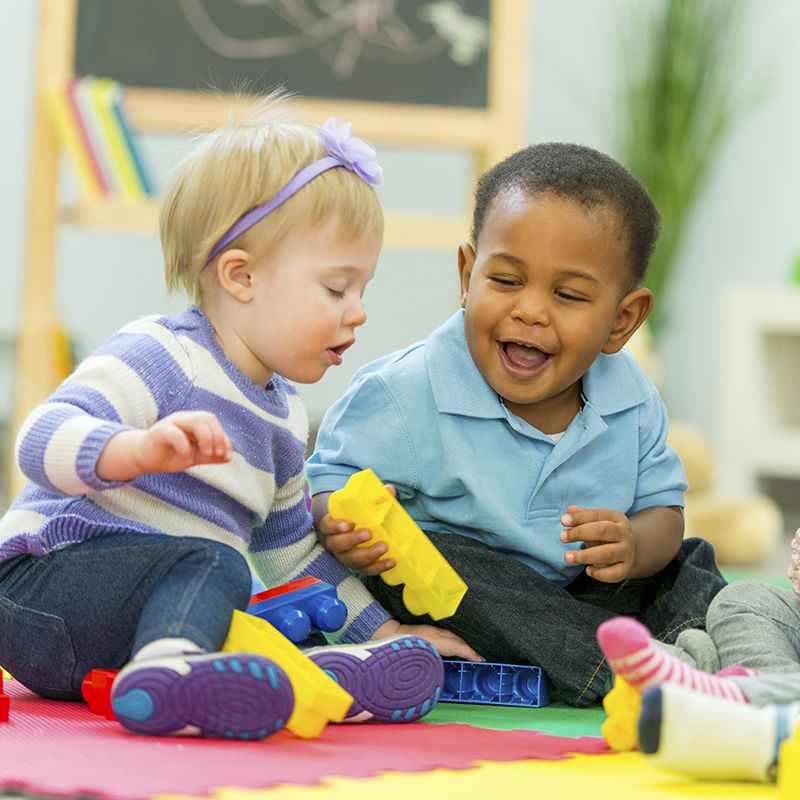
Social-emotional development in small schools is an important aspect of alternative education that often goes unrecognized. While many traditional schools prioritize academic achievement, small schools have the unique opportunity to foster a supportive and inclusive environment that promotes social and emotional growth alongside academics. In this article, we will explore how small schools facilitate social-emotional development, the benefits it brings to students, and strategies that can be implemented.
Small schools provide an intimate setting where educators are able to form meaningful relationships with their students. This personalized approach allows teachers to better understand each student’s strengths, challenges, and individual needs. By establishing strong connections, educators can create a safe space for students to express themselves authentically without fear of judgment or ridicule.
In such an environment, students are more likely to develop healthy self-esteem and self-awareness. They feel valued for who they are as individuals rather than being judged solely on their academic performance. This fosters a sense of belonging within the school community and encourages students to embrace their uniqueness while respecting others’ differences.
One key advantage of social-emotional development in small schools is the emphasis on building positive relationships among peers. With smaller class sizes, it becomes easier for students to get acquainted with one another and form deeper connections. These relationships extend beyond classroom interactions into extracurricular activities and collaborative projects.
Collaboration plays a crucial role in the development of social skills such as communication, teamwork, empathy, and conflict resolution. Small schools often promote project-based learning approaches that require students to work together towards common goals. Through these experiences, they learn how different perspectives contribute value to collective efforts while also developing essential skills needed for future success.
Furthermore, small schools typically have less bullying or exclusionary behavior compared to larger institutions due to the close-knit nature of their communities. Educators have more opportunities to address conflicts promptly before they escalate into serious issues by fostering open lines of communication between all stakeholders: parents/guardians, teachers, and students.
To promote social-emotional growth in small schools, educators can implement various strategies. First and foremost is the integration of social-emotional learning (SEL) into the curriculum. SEL encompasses a range of skills that enable individuals to understand and manage emotions, set and achieve goals, show empathy towards others, maintain positive relationships, and make responsible decisions.
By incorporating SEL into everyday lessons, educators create opportunities for students to practice these skills in real-life situations. For example, during literature discussions or history debates, teachers can encourage respectful dialogue where students learn to listen actively and respond empathetically.
Another powerful strategy is promoting restorative justice practices within the school community. Restorative justice focuses on repairing harm caused by conflicts rather than simply punishing wrongdoers. In small schools where relationships are valued highly, this approach allows all parties involved to express their feelings honestly while working towards reconciliation.
Restorative circles or mediation sessions provide spaces for open dialogue where all perspectives are acknowledged and respected. By involving students in conflict resolution processes instead of relying solely on authority figures like principals or administrators, small schools empower their student body with valuable problem-solving skills that extend beyond school years.
Small schools also have the potential to foster strong connections between home and school environments through active family engagement initiatives. Regular communication channels between teachers and parents/guardians not only keep families informed about academic progress but also allow them to play an active role in supporting their child’s social-emotional development.
Family involvement events such as parent-teacher conferences, workshops on parenting strategies related to emotional intelligence development or even joint activities like volunteering at local charities contribute significantly to building a sense of community within the school environment.
In conclusion, social-emotional development plays a vital role in alternative education settings such as small schools. The personalized approach enables educators to form meaningful connections with each student while creating inclusive environments that prioritize emotional well-being alongside academics. Benefits include improved self-esteem/self-awareness, positive peer relationships, reduced bullying incidents, and the development of essential social skills. Strategies for promoting social-emotional growth in small schools involve integrating SEL into the curriculum, implementing restorative justice practices, and fostering active family engagement. By prioritizing social-emotional development in small schools, we can create nurturing environments where students thrive academically and emotionally.
 Alternative Amie
Leave a comment