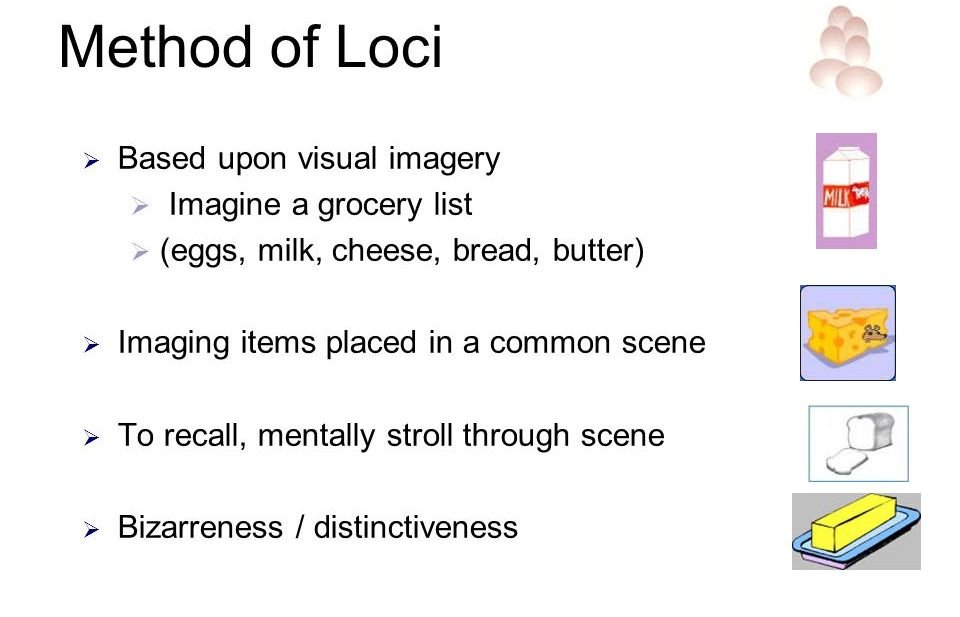
Mnemonic techniques for memorization are proven strategies that can greatly enhance learning and retention. One popular technique is the method of loci, which involves associating information with specific locations or landmarks in a familiar environment. By mentally walking through this environment and linking each piece of information to a distinct location, learners can create vivid mental images that make recall easier.
Speed reading strategies are essential skills for anyone looking to absorb large volumes of text quickly. One effective technique is called “chunking,” where readers group words together instead of focusing on individual words. This allows them to read faster while still comprehending the overall meaning. Subvocalization, or silently pronouncing words while reading, can also be minimized or eliminated to increase reading speed.
Mind mapping is a highly visual and creative tool that aids in organizing thoughts and ideas. It involves creating diagrams that connect related concepts using branches or lines. This technique helps learners see the bigger picture, identify connections between different topics, and recall information more effectively.
Neuroplasticity refers to the brain’s ability to reorganize itself by forming new neural connections throughout life. Understanding this concept allows educators to design learning experiences that promote accelerated learning by actively engaging students’ brains through varied activities and exercises.
Dual coding theory suggests that combining verbal information with visual representations enhances learning and memory retention. Incorporating images, graphs, diagrams, or even videos alongside written or spoken content provides multiple pathways for understanding and increases the likelihood of successful retrieval later on.
Music has long been recognized as having a powerful impact on our emotions and focus levels. Playing background music during study sessions can help improve concentration by reducing distractions from external noise and enhancing mood states conducive to learning.
Gamification is an innovative approach where game elements are incorporated into educational settings to motivate students and facilitate engagement with academic content. By introducing challenges, rewards systems, leaderboards, or interactive simulations within lessons or courses, educators can tap into students’ intrinsic motivation and create a more enjoyable learning experience.
Polyglotism, or the ability to speak multiple languages, is an impressive skill that can be developed through simultaneous language learning. By immersing oneself in different languages and actively practicing them daily, learners can leverage similarities between languages to accelerate their overall language acquisition.
Visualization exercises involve creating mental images of information being learned to improve comprehension and recall. For example, when reading a passage about historical events, learners can imagine themselves as active participants within the scene described. This technique enhances engagement with the material and strengthens memory associations.
Storytelling has long been used as a powerful teaching tool because it captivates learners’ attention while conveying important information in a memorable way. By incorporating narrative elements into lessons or assignments, educators can make content more relatable and engaging for students.
Mindfulness practices such as meditation or deep breathing exercises are gaining popularity in educational settings due to their positive effects on concentration, focus, and cognitive abilities. Simple mindfulness techniques help reduce stress levels while enhancing awareness of one’s thoughts and surroundings, leading to improved learning outcomes.
Cognitive load theory explains how our working memory capacity influences learning processes. By designing instruction that minimizes extraneous cognitive load (e.g., unnecessary visual clutter) while maximizing germane load (meaningful content), educators can optimize students’ ability to process new information efficiently.
Virtual reality (VR) technology provides immersive experiences that allow learners to explore virtual environments related to their studies. Whether it’s visiting historical landmarks or conducting scientific experiments in simulated laboratories, VR offers unique opportunities for experiential learning that enhance understanding and engagement.
Critical thinking skills are essential for success in today’s complex world. Educators can foster these skills by encouraging students to analyze information critically, evaluate evidence objectively, consider alternative perspectives, and engage in logical reasoning exercises.
Physical activity has been shown to have significant benefits for cognitive function and memory retention. Regular exercise not only improves blood flow to the brain but also enhances neuroplasticity, leading to better learning outcomes.
Spaced repetition is a technique that involves reviewing information at increasing intervals over time. By spacing out practice sessions rather than cramming all at once, learners can reinforce their memory and retain information for longer periods.
Nutrition plays a crucial role in optimizing brain function for accelerated learning. A diet rich in fruits, vegetables, whole grains, and lean protein provides essential nutrients that support cognitive processes such as memory, attention, and problem-solving.
Effective note-taking and summarizing strategies help students organize information for later review. Encouraging active listening skills and teaching methods like Cornell notes or concept mapping allows students to synthesize key ideas while enhancing understanding and retention.
Technology tools such as collaborative platforms or virtual classrooms facilitate active participation and engagement among students. These tools enable group projects, discussion boards, real-time feedback, and document sharing for enhanced collaboration and knowledge construction.
Incorporating creative arts into the curriculum offers unique opportunities for students to express themselves while deepening their understanding of various subjects. Whether it’s using drama techniques to explore historical events or creating visual art inspired by literature, incorporating creative arts engages multiple senses and stimulates different modes of thinking.
Overall, these techniques enhance alternative schooling experiences by providing effective strategies for accelerated learning across various domains.
 Alternative Amie
Leave a comment