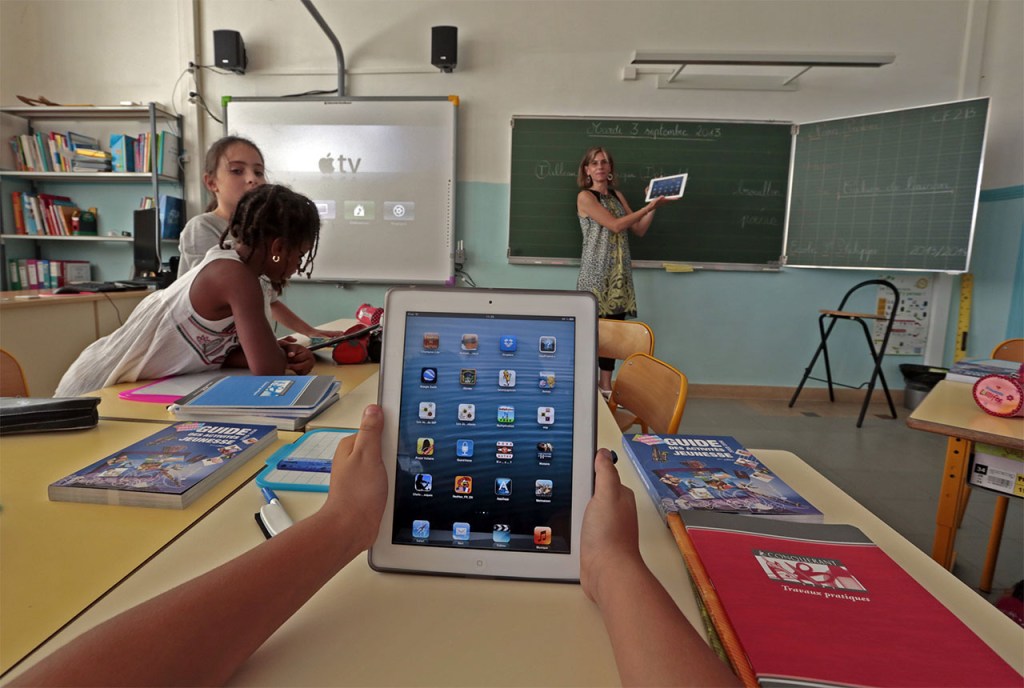
Technology Integration in Small Schools: Unlocking the Potential of Alternative Education
In recent years, technology has revolutionized education by providing new and exciting opportunities for both teachers and students. While many large schools have readily embraced these advancements, small schools often face unique challenges when it comes to integrating technology into their classrooms. However, with careful planning and innovative strategies, small schools can also harness the power of technology to enhance student learning and engagement.
One of the key advantages of technology integration in small schools is its ability to expand educational resources beyond physical limitations. Limited budgets and access to specialized facilities or equipment are common constraints faced by smaller institutions. However, with the help of digital tools, students can now explore subjects that were previously inaccessible due to resource limitations.
For instance, virtual reality (VR) headsets can transport students from rural areas to far-off destinations or historical landmarks without leaving their classrooms. This immersive experience allows them to engage with different cultures or eras firsthand, making learning more interactive and memorable.
Moreover, online platforms such as Khan Academy or Coursera provide a wealth of educational materials that small schools may not be able to afford otherwise. These platforms offer courses on various subjects taught by experts from around the world. By incorporating these resources into their curriculum, educators can enrich their teaching methods while offering diverse learning opportunities tailored to individual student needs.
Another benefit of technology integration in small schools is fostering collaboration among students and educators alike. With video conferencing software like Zoom or Google Meet becoming increasingly popular during remote learning periods, collaborative projects between different classes or even across different schools have become more feasible than ever before.
By engaging in collaborative projects with peers from other locations or backgrounds, students gain valuable communication skills while broadening their perspectives on global issues. Additionally, joint initiatives allow educators from small schools to connect with colleagues facing similar challenges elsewhere who may offer fresh insights into pedagogical approaches or share best practices.
Furthermore, technology integration enables personalized learning experiences tailored to individual student needs. Adaptive learning platforms use artificial intelligence algorithms to track and analyze student performance, allowing teachers to identify areas where students may be struggling or excelling.
By leveraging these insights, educators can provide targeted interventions or adjust their teaching methods accordingly. This individualized approach ensures that each student receives the support they need to succeed while promoting independent thinking and self-paced learning.
In small schools with limited access to specialized instructors, technology integration also opens up opportunities for virtual mentoring programs. Through video conferencing or online communication platforms, students can connect with experts in various fields who can offer guidance and real-world insights.
For example, a small school located in a remote area might lack resources for teaching advanced computer programming skills. However, by partnering with industry professionals through mentorship programs, students can receive personalized guidance from experienced programmers who can help them build practical skills and explore potential career paths.
Despite these advantages, integrating technology into small schools does come with its own set of challenges. One common concern is the cost associated with purchasing devices and software licenses. However, there are several ways smaller institutions can overcome financial barriers.
One approach is seeking grants or sponsorship from local businesses or foundations that value education and innovation. Additionally, many tech companies offer discounted rates for educational institutions. By leveraging such opportunities and prioritizing their budget towards technology investments, small schools can gradually build their technological infrastructure without compromising other essential aspects of education.
Another challenge faced by small schools is ensuring equitable access to technology across all students. While some families may have personal devices at home or reliable internet connections, others may not possess the same resources due to socioeconomic disparities.
To bridge this gap, schools can consider providing loaner devices for students who lack personal computers or laptops at home. Collaborating with community organizations or local libraries that offer free Wi-Fi access could also help ensure equal access to online resources outside of school hours.
Lastly but importantly, it is crucial for small schools to invest in ongoing professional development for their teachers. Integrating technology effectively requires educators to have the necessary skills and confidence to navigate digital tools and platforms.
Offering regular training sessions or partnering with educational technology experts can help teachers stay up to date with technological advancements and discover innovative teaching strategies that maximize the benefits of technology integration. By supporting their teachers’ professional growth, small schools can ensure a seamless transition towards a technology-rich learning environment.
In conclusion, while integrating technology into small schools may present unique challenges, it also offers tremendous potential for enhancing education in alternative settings. From expanding access to resources and fostering collaboration to personalized learning experiences and virtual mentoring programs, technology integration opens doors previously inaccessible in smaller institutions. With careful planning, resourcefulness, and commitment to ongoing professional development, small schools can unlock the full potential of technology in empowering their students for future success.
 Alternative Amie
Leave a comment