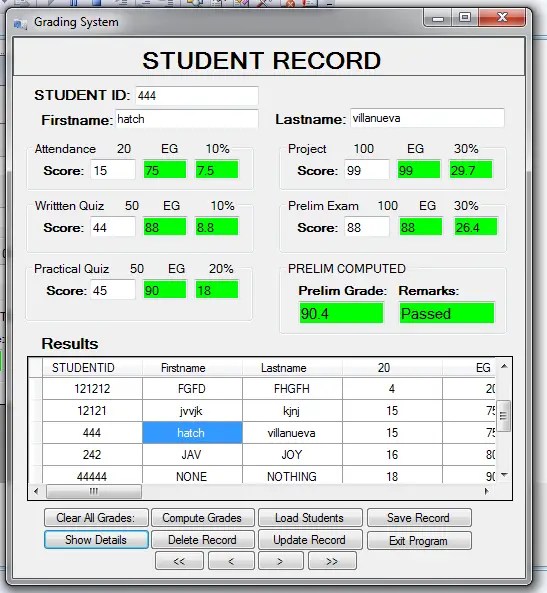
Online Assessments and Grading Systems: Enhancing Education in the Digital Age
In recent years, alternative schooling and education have gained significant traction as viable options for students seeking a more personalized and flexible learning experience. With advancements in technology, online assessments and grading systems have become integral components of these alternative education models. This article aims to explore the benefits of online assessments and grading systems, highlighting their potential to enhance education in the digital age.
One of the primary advantages of online assessments is their ability to provide immediate feedback to students. Traditional paper-based tests often involve time-consuming processes for teachers to grade and return results. However, with online platforms, students can receive instant feedback on their performance, allowing them to identify areas where they excel or need improvement. This real-time evaluation empowers students by giving them insights into their progress right at their fingertips.
Moreover, online assessments promote a learner-centered approach by fostering self-directed learning. Students can navigate through assignments at their own pace while engaging with interactive content designed specifically for each topic or subject area. Additionally, many online assessment platforms offer adaptive features that adjust difficulty levels based on individual student performance. This personalized approach ensures that learners are neither overwhelmed nor underchallenged, optimizing their academic growth.
Furthermore, online assessments enable educators to gather large amounts of data about student performance quickly and efficiently. By analyzing this data collectively or individually using sophisticated algorithms and analytics tools, teachers can gain valuable insights into overall class understanding or individual strengths and weaknesses. Armed with this information, instructors can tailor instruction accordingly – either by providing additional support where needed or offering more advanced material for high-achieving students.
The integration of artificial intelligence (AI) plays a pivotal role in enhancing both the accuracy and efficiency of grading systems within an online setting. AI-powered algorithms analyze responses against pre-set criteria while accounting for contextual nuances missed by traditional approaches. As a result, grading becomes more objective and consistent across various evaluators’ interpretations, reducing bias and ensuring fairness. This not only saves teachers’ time but also increases the reliability of assessments.
Moreover, online grading systems facilitate better communication between students, parents, and educators. Through secure portals or dashboards, stakeholders can access grades and progress reports in real-time. Parents can actively participate in their child’s educational journey by monitoring performance regularly. This transparency enhances collaboration between home and school while providing timely intervention if necessary.
In addition to these advantages, online assessments offer students the opportunity to engage with multimedia resources that go beyond traditional textbooks. Including videos, interactive simulations, podcasts, and other digital content inspires creativity and critical thinking skills. These dynamic learning experiences cater to diverse learning styles while fostering a deeper understanding of concepts.
While online assessments bring numerous benefits to alternative schooling and education models, it is essential to acknowledge certain challenges as well. Access to reliable internet connectivity remains a concern for many students worldwide – particularly those from disadvantaged backgrounds or rural areas. Additionally, technological glitches may occasionally disrupt the assessment process or expose vulnerabilities related to cheating or plagiarism. However, these challenges should not overshadow the tremendous potential that online assessments hold for transforming education.
In conclusion, online assessments and grading systems have revolutionized alternative schooling and education by offering immediate feedback, promoting self-directed learning, enabling data-driven instruction through AI-powered algorithms, enhancing communication between stakeholders, facilitating multimedia engagement opportunities for students’ growth while recognizing some limitations posed by technology accessibility issues and potential disruptions due to technical glitches or academic dishonesty concerns. As we continue harnessing technology’s power in education settings further advancements will undoubtedly emerge – empowering learners with even more personalized educational experiences tailored to meet their unique needs in this ever-evolving digital age.
 Alternative Amie
Leave a comment