Metacognition: Unlocking the Mysteries of the Mind
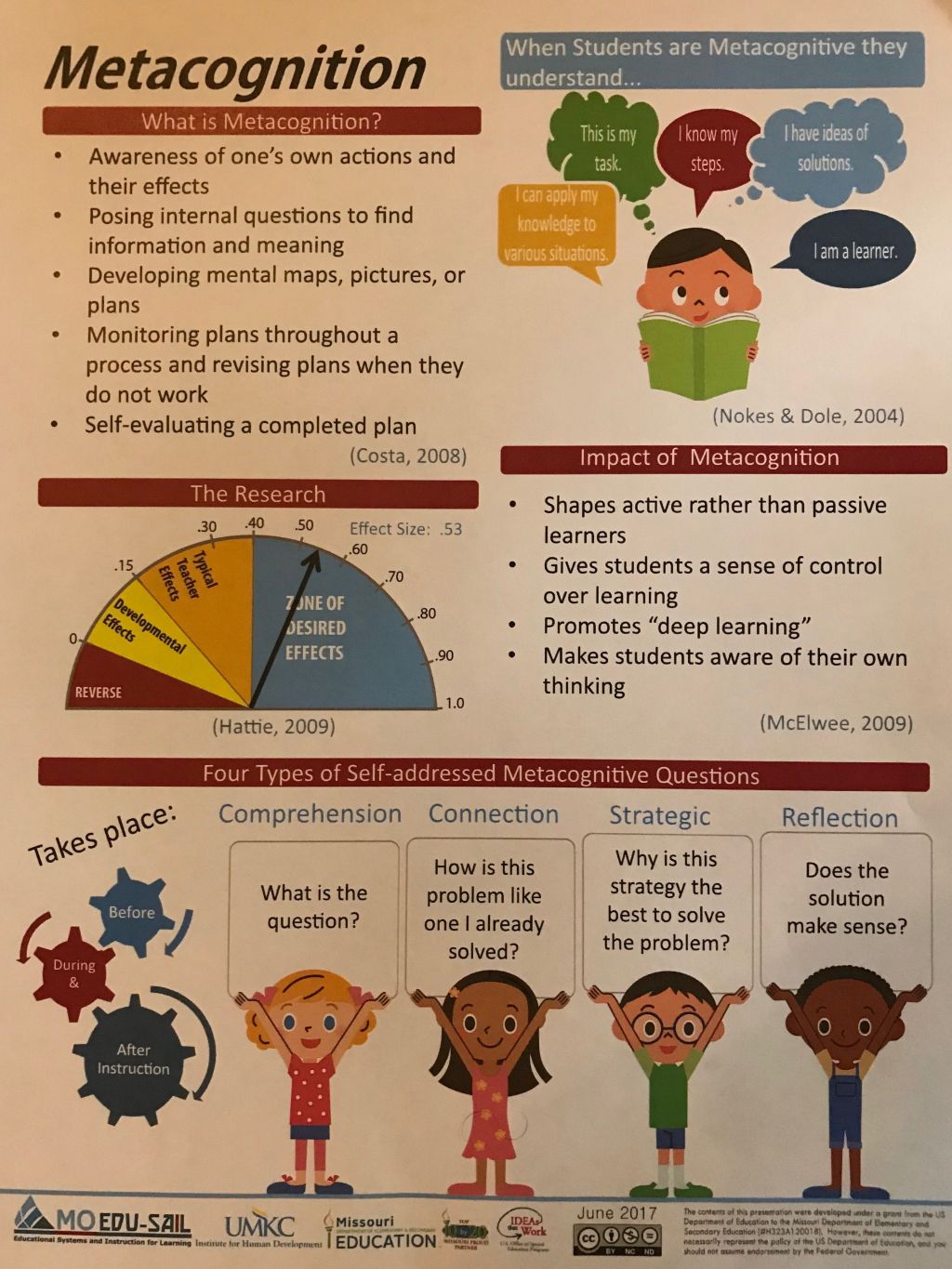
Education is constantly evolving, with educators seeking new and innovative ways to nurture young minds. One such approach that has gained popularity in recent years is metacognition – a fancy term for thinking about thinking. This concept focuses on empowering students to understand how they learn, process information, and problem-solve. In this article, we will delve into the fascinating world of metacognition and explore its potential benefits in alternative schooling and education.
At its core, metacognition encourages students to become aware of their own cognitive processes. It prompts them to reflect on what they know, how they know it, and how they can apply that knowledge effectively. By actively engaging in metacognitive practices, students develop self-awareness as learners and gain valuable insights into their strengths and weaknesses.
One key aspect of metacognition is setting goals. Through goal-setting exercises, students are encouraged to identify specific learning objectives for themselves. By doing so, they take ownership of their education, fostering a sense of autonomy and motivation. These goals provide a roadmap for learning while promoting self-regulation skills – an essential attribute for success both inside and outside the classroom.
Another crucial element of metacognition is reflection. Students are encouraged to reflect on their learning experiences regularly. This process involves analyzing what worked well during their studies or assignments and identifying areas where improvements could be made. By reflecting on these aspects through journaling or group discussions, students develop critical thinking skills while gaining insights into effective study techniques.
Metacognitive strategies also emphasize the importance of monitoring one’s own understanding during the learning process. Students are taught techniques such as self-questioning or summarizing information in their own words to ensure comprehension before moving forward with new material. Such practices enhance memory retention by solidifying connections between existing knowledge and new concepts.
In addition to individual growth, metacognition fosters collaborative learning environments where students actively engage with their peers. By sharing their metacognitive experiences, students can learn from one another’s strategies and perspectives. This collaborative approach not only promotes a sense of community but also enhances problem-solving abilities as students encounter diverse viewpoints and solutions.
Alternative schools often embrace metacognition as a fundamental aspect of their educational philosophy. These institutions emphasize personalized learning, recognizing that every student has unique strengths and weaknesses. Metacognition aligns perfectly with this approach by encouraging students to take an active role in shaping their education based on individual needs and aspirations.
Moreover, alternative schools aim to prepare students for real-world challenges beyond traditional academic pursuits. Metacognitive skills such as self-reflection, goal-setting, and critical thinking are highly transferable to various aspects of life – be it career development or personal growth.
In conclusion, metacognition offers a powerful tool for alternative schooling and education methods. By integrating metacognitive practices into the curriculum, educators can empower students to become independent learners who understand how they think and learn best. From setting goals to reflecting on progress, these strategies cultivate essential skills that extend far beyond the classroom walls. So let us embrace the power of metacognition and unlock the mysteries of our minds!
 Alternative Amie
Leave a comment