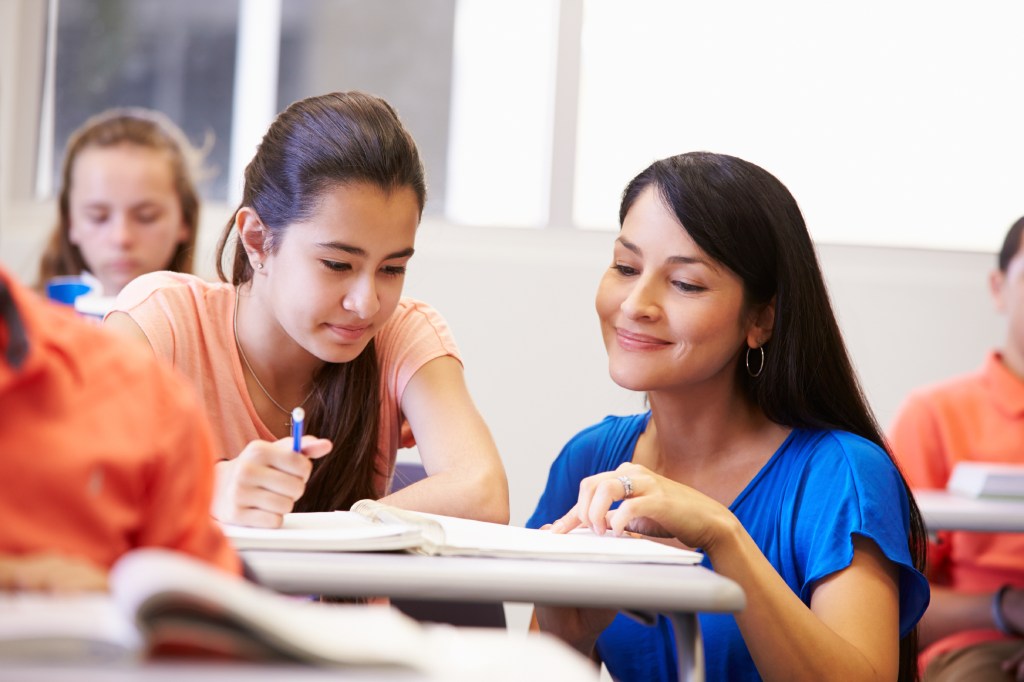
In personalized learning environments, teacher-student relationships play a crucial role in fostering academic growth and success. These relationships go beyond traditional classroom dynamics and are built on trust, communication, and individualized support. Here are eight key aspects of teacher-student relationships in personalized learning environments:
1. Personalized attention: In personalized learning environments, teachers have the opportunity to provide individualized attention to each student. This means understanding their strengths, weaknesses, and unique learning styles. By tailoring instruction based on these factors, teachers can help students maximize their potential.
2. Collaborative goal-setting: Teachers and students work together to set goals that align with the student’s interests and aspirations. This collaborative approach empowers students to take ownership of their learning journey while allowing teachers to guide them effectively.
3. Continuous feedback: Regular feedback is an integral part of personalized learning environments. Teachers provide ongoing assessments and constructive criticism to help students understand their progress and areas for improvement. This feedback loop encourages growth mindset among students.
4. Flexibility in pacing: Personalized learning allows students to learn at their own pace rather than adhering strictly to a fixed curriculum timeline. Teachers support this flexibility by providing additional resources or adjusting instructional strategies as needed.
5. Individualized instruction: Recognizing that learners have different needs, teachers design instructional activities tailored specifically for each student’s abilities and interests. They leverage various teaching methods such as project-based learning or flipped classrooms to engage students fully.
6. Mentorship opportunities: In personalized learning environments, teachers often assume the role of mentors who guide students academically as well as personally. They offer guidance on career choices, college applications, or personal development skills like time management or self-reflection.
7.Supportive communication channels: Effective communication between teachers and students is vital in personalized learning environments for addressing concerns promptly and maintaining a positive relationship dynamic throughout the educational journey.
8.Cultivating independence: One of the main goals of personalized learning is to foster independence and self-directed learning in students. Teachers serve as facilitators, empowering students to take ownership of their education while providing guidance when necessary.
9. Building trust: Trust between teachers and students is the foundation of successful teacher-student relationships in personalized learning environments. By demonstrating a genuine interest in their well-being, respecting their opinions, and fostering a safe and inclusive environment, teachers can establish trust that promotes effective teaching and learning.
10. Emotional support: Personalized learning environments recognize the importance of emotional support for student success. Teachers create a nurturing atmosphere where students feel comfortable expressing themselves, discussing challenges they face, or seeking help when needed.
11. Parent involvement: In personalized learning environments, teachers collaborate with parents or guardians to ensure consistent support for students’ educational journey. Regular communication about progress updates, goal setting discussions, and parental involvement in decision-making contribute to stronger teacher-student relationships.
12.Celebrating achievements: Acknowledging and celebrating student achievements is an essential aspect of building positive teacher-student relationships in personalized learning environments. Recognizing milestones not only boosts student motivation but also strengthens the bond between teachers and students.
In conclusion, teacher-student relationships are vital components of successful personalized learning environments. These relationships involve personalization at various levels including attention, instruction, feedback loops as well as mentorship opportunities that foster independence among learners. By prioritizing collaboration, flexibility, trust-building strategies along with emotional support from both teachers and parents/guardians alike; educators can create an environment conducive to academic growth for all learners involved
 Alternative Amie
Leave a comment