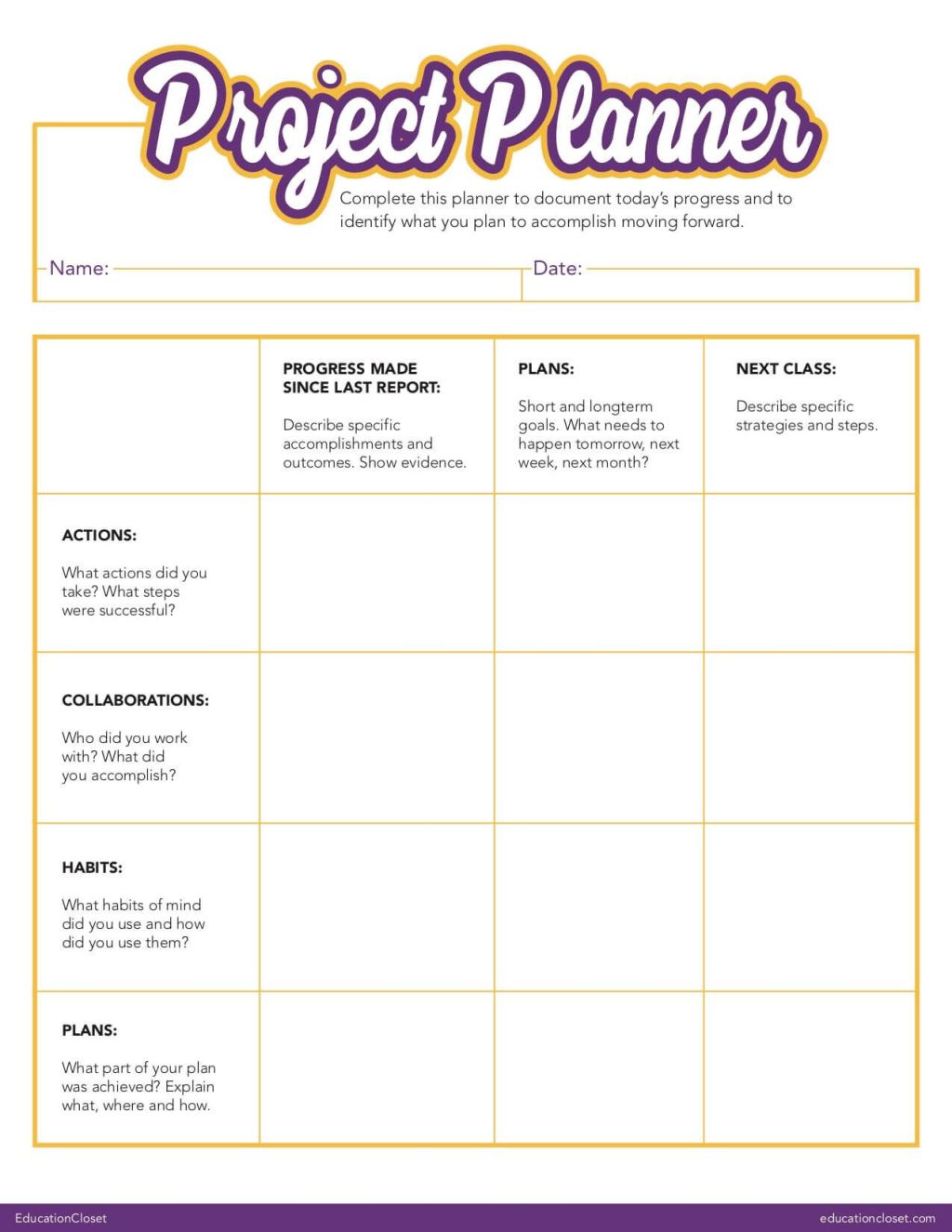
Project-Based Assessments: A Holistic Approach to Alternative Education
In the realm of alternative schooling and education, traditional methods of assessment have been gradually evolving. One approach that has gained significant traction is project-based assessments. These assessments differ from traditional exams and standardized tests by emphasizing real-world application, collaboration, critical thinking, and problem-solving skills.
Project-based assessments provide students with an opportunity to showcase their knowledge and abilities through hands-on projects or tasks rather than simply regurgitating information in a written examination. This approach aligns with the principles of alternative education, which aims to foster creativity, independence, and practical skills among students.
The underlying philosophy behind project-based assessments is that learning occurs best when it is contextualized within a meaningful task or project. By engaging in these types of assessments, students are encouraged to apply their knowledge in authentic situations that mirror professional or real-life scenarios they may encounter outside the classroom.
One key aspect of project-based assessments is their focus on interdisciplinary learning. Instead of compartmentalizing subjects as separate entities, these assessments encourage students to integrate knowledge from various disciplines into a cohesive whole. This multidisciplinary approach mirrors how problems are approached in the real world since complex issues rarely fall neatly into one academic area.
Moreover, project-based assessments promote active learning by requiring students to take charge of their own education. They must identify problems or challenges related to a given topic independently and devise strategies for solving them collaboratively with peers or mentors. In doing so, students develop valuable life skills such as communication, leadership, teamwork, time management, and self-motivation while also deepening their understanding of subject matter.
Collaboration plays a vital role in project-based assessments as it fosters social interaction among students. Working together allows learners to share ideas and perspectives while simultaneously honing their interpersonal skills. Group work encourages negotiation and compromise as individuals learn how to navigate differing opinions within a team setting—an essential skill set for future endeavors.
In addition to promoting collaboration, project-based assessments also nurture critical thinking and problem-solving skills. Students are presented with open-ended problems that require them to analyze information, evaluate different approaches, and make informed decisions. This process helps cultivate analytical thinking, creativity, adaptability, and resourcefulness—skills that are highly sought after in today’s rapidly changing job market.
Furthermore, project-based assessments often involve real-world stakeholders who provide authentic feedback on student work. By involving professionals from relevant industries or experts in the field as mentors or evaluators, students receive valuable insights into how their work would be assessed in a professional setting. Such interactions bridge the gap between classroom learning and real-life experiences while preparing students for future careers.
Another advantage of project-based assessments is their ability to cater to diverse learning styles. Traditional exams primarily favor students who excel at memorization and recall; however, this approach may not accurately reflect a student’s true potential or abilities. Project-based assessments allow individuals with different strengths—such as visual learners or hands-on learners—to shine by providing alternative avenues for demonstrating knowledge and understanding.
However, despite its numerous benefits, implementing project-based assessments can present challenges for both educators and students alike. Teachers must design appropriate projects that align with curriculum goals while ensuring they are engaging enough to capture students’ interest. They also need to strike a balance between providing guidance and allowing autonomy so that learners can develop independence without feeling overwhelmed.
Similarly, students must navigate the uncertainty inherent in open-ended projects—an aspect that some may find uncomfortable initially due to the lack of predefined answers or rigid structures common in traditional exams. However, with proper support from teachers and peers along with clear guidelines outlining expectations and outcomes, these challenges can be overcome successfully.
To address these challenges effectively within alternative schooling environments adopting project-based assessments more widely requires ongoing professional development opportunities for educators so they can continuously refine their instructional approaches accordingly. Additionally fostering a supportive community where teachers collaborate and share best practices can help ensure the successful implementation of project-based assessments.
In conclusion, project-based assessments offer a holistic approach to alternative education by emphasizing real-world application, collaboration, critical thinking, and problem-solving skills. These assessments align with the principles of alternative schooling by promoting active learning, interdisciplinary integration, and student autonomy. By engaging in projects that mirror authentic scenarios and involving real-world stakeholders for feedback, students develop valuable life skills while deepening their understanding of subject matter. Although challenges exist in implementing project-based assessments effectively within alternative schooling environments, ongoing professional development opportunities for educators and a supportive community can contribute to their successful implementation. Ultimately, project-based assessments pave the way for a more comprehensive and practical education that prepares students for success beyond the classroom walls.
 Alternative Amie
Leave a comment