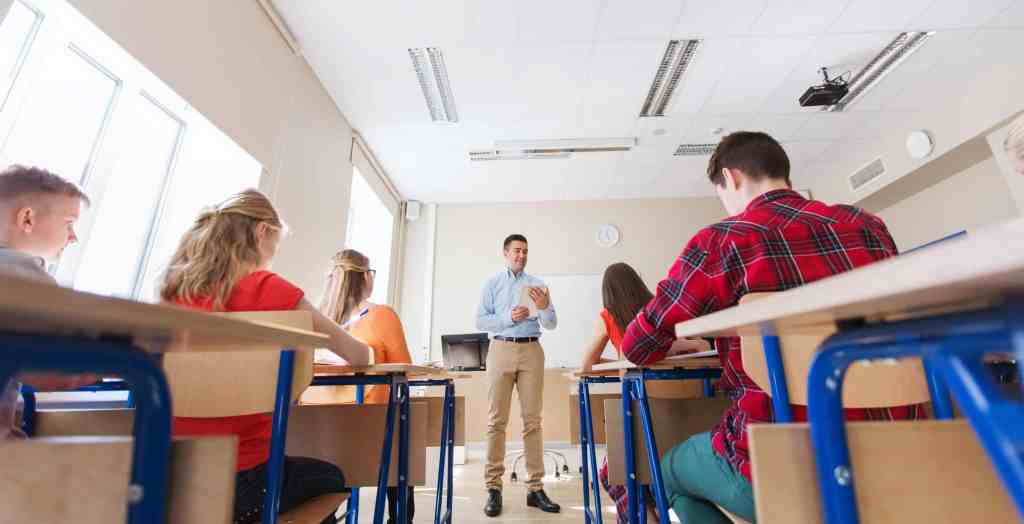
Alternative Schooling and Education: Celebrating the Success of Unique Students
In today’s rapidly changing world, traditional educational models may not cater to every student’s individual needs. That is why alternative schooling and education have gained popularity in recent years. These innovative approaches prioritize flexibility, personalized learning experiences, and unconventional teaching methods. By celebrating the success stories of unique students who have thrived in alternative educational settings, we hope to inspire others to explore these non-traditional paths.
Meet Emily, a high school student who struggled with attention deficit hyperactivity disorder (ADHD) in a conventional classroom setting. Frustrated by her inability to focus and engage with the material, she felt constantly overwhelmed and discouraged. Recognizing that traditional schooling wasn’t working for her, Emily enrolled at an alternative school that embraced project-based learning.
This new environment allowed Emily to explore subjects hands-on while encouraging creativity and critical thinking skills. The curriculum was structured around projects that required collaboration with peers, enabling her to build social connections while developing essential problem-solving abilities. With the support of dedicated teachers who understood her challenges, Emily began thriving academically for the first time.
Similarly, John found solace in an alternative education program after being diagnosed with dyslexia during his early years of primary school. Dyslexia made it difficult for him to read fluently or spell accurately using conventional methods taught in mainstream schools. Feeling frustrated by constant comparisons with his peers’ reading abilities, John’s self-esteem suffered greatly.
However, everything changed when he transferred to an inclusive alternative education program designed specifically for students like him. The educators employed multi-sensory techniques tailored towards different learning styles to help individuals overcome their specific challenges effectively.
Through a combination of visual aids such as colored overlays and specialized reading programs tailored explicitly for dyslexic learners like Orton-Gillingham approach or Wilson Reading System (WRS), John gradually developed confidence in his abilities. Soon, he was not only reading independently but also excelling in other subjects. This success boosted his self-esteem and motivated him to explore his interests beyond academics.
Alternative schooling options are not limited to students with learning disabilities; they can cater to a wide range of unique circumstances. Take Sarah, for example, who pursued her passion for dance while maintaining her academic progress. As a competitive dancer committed to training several hours each day, Sarah found it challenging to balance her rigorous dance schedule with traditional school demands.
To accommodate her needs, Sarah enrolled in an online homeschooling program that allowed her to complete coursework at her own pace and on a flexible schedule. This arrangement enabled her to dedicate the necessary time and energy towards pursuing both academic excellence and dance training.
The online curriculum provided by the homeschooling program was comprehensive and aligned with state educational standards. Alongside core subjects such as math, science, English, and history, Sarah also had the opportunity to explore electives like music theory or art appreciation—a perfect fit for someone passionate about performing arts.
Sarah’s alternative education experience empowered her to take control of her own learning journey while nurturing her love for dance. With proper guidance from teachers who understood the unique challenges faced by student-athletes like herself, she managed not only to maintain excellent grades but also pursue higher levels of achievement in both academics and dancing.
These stories demonstrate how alternative schooling options can effectively address individual students’ needs when traditional education falls short. Whether it is providing project-based learning opportunities for ADHD students like Emily or employing specialized techniques for dyslexic learners like John or offering flexible schedules for student-athletes like Sarah—the possibilities are endless.
Alternative schooling models prioritize personalized attention and encourage students’ active participation in their education journey. They recognize that every learner is different—each possessing unique strengths, weaknesses, interests, aspirations—and strive towards creating environments that foster growth both academically and personally.
While alternative education may not be suitable for every student or circumstance, it is essential to acknowledge its potential and celebrate the successes of those who have thrived in these settings. By sharing these stories, we hope to inspire others to explore alternative educational options that may better align with their individual needs and aspirations.
In conclusion, alternative schooling and education provide valuable pathways for students who do not fit into traditional educational molds. These non-traditional approaches empower students like Emily, John, and Sarah to overcome challenges, develop confidence, pursue their passions alongside academics, and ultimately achieve success on their own terms. As society continues to evolve rapidly, it is crucial that we embrace diverse educational models that cater to the unique needs of every learner.
 Alternative Amie
Leave a comment