Effective Study Habits for Alternative Schooling and Education
In alternative schooling and education, students have the opportunity to explore learning in innovative ways outside of traditional classroom settings. However, effective study habits are still crucial for success in any educational endeavor. Whether you’re participating in online courses, homeschooling, or attending a non-traditional school, here are ten study habits that can help you make the most out of your educational experience.
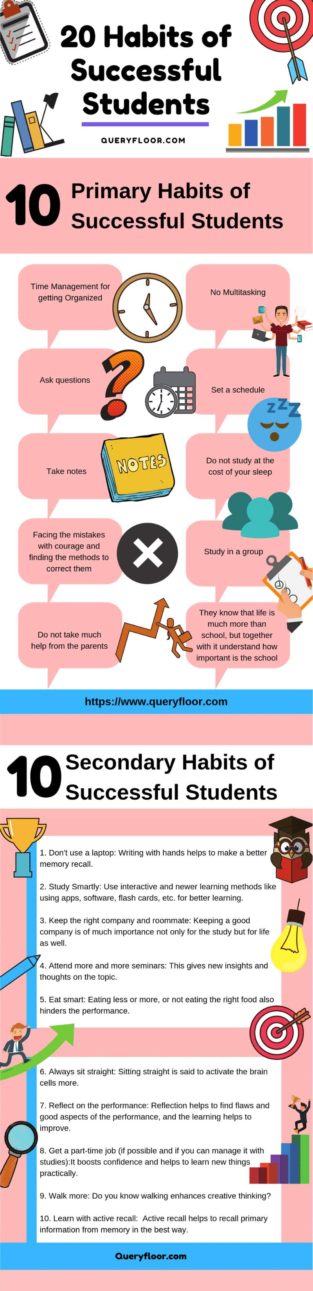
1. Create a Dedicated Study Space: Designating a specific area solely for studying helps create an environment free from distractions. Make sure this space is well-organized with all the necessary materials at hand. A clean and clutter-free workspace can do wonders for concentration and productivity.
2. Establish a Routine: Setting up a regular study routine will train your mind to be in “study mode” at specific times each day. Consistency is key when it comes to building good study habits. Determine your optimal time of day for studying, whether it’s early morning or late evening, and stick to it as much as possible.
3. Set Clear Goals: Before diving into any lesson or assignment, establish clear goals regarding what you want to accomplish during each study session. This could include completing certain tasks or mastering specific concepts within a given timeframe. Clearly defined objectives will help keep you focused and motivated throughout your studies.
4. Break It Down: Large tasks can often feel overwhelming if approached all at once. To combat this feeling, break down bigger assignments into smaller chunks that are more manageable and less intimidating. Tackling one section at a time allows for better understanding and retention of information while reducing stress levels.
5. Utilize Active Learning Techniques: Passive reading alone won’t always lead to deep comprehension or long-term memory retention; active engagement is essential for effective learning outcomes. Experiment with techniques such as summarizing key points in your own words, teaching the material to someone else (even if only imaginary!), or creating visual aids like diagrams and mind maps.
6. Take Regular Breaks: Avoid the temptation to study for long stretches without breaks. Research has shown that taking short breaks during study sessions increases productivity and prevents mental fatigue. Follow the Pomodoro Technique, which suggests studying for 25 minutes, followed by a 5-minute break, then repeat the cycle.
7. Practice Self-care: Prioritize your overall well-being while pursuing alternative education. Getting enough sleep, eating nutritious meals, staying physically active, and managing stress levels are all crucial components of effective studying. Remember to take care of yourself holistically to optimize your learning potential.
8. Use Technology Wisely: Embrace technology as a tool to enhance your learning experience but be cautious not to let it become a distraction. Utilize online resources such as educational apps, interactive learning platforms, and virtual study groups that can supplement your studies effectively.
9. Seek Help When Needed: Don’t hesitate to reach out for assistance when you encounter difficulties in understanding certain concepts or completing assignments independently. Alternative schooling often provides various support systems such as online tutors or discussion forums where you can seek help from peers or instructors.
10. Review and Reflect: Finally, allocate time regularly for reviewing past lessons and reflecting on what you’ve learned so far in your alternative education journey. This practice helps reinforce knowledge retention while identifying any areas that may require additional attention or revision.
By incorporating these ten effective study habits into your alternative schooling routine, you’ll develop strong skills that will benefit you not only academically but also throughout life’s continuous learning experiences ahead.
 Alternative Amie
Leave a comment