In today’s fast-paced and ever-changing world, the traditional education system may not always meet the needs of every student. Many parents are seeking alternative schooling options that focus on a more holistic approach to learning. One such approach is Classical education, which has gained popularity in recent years for its emphasis on cultivating critical thinking skills, fostering a love for learning, and developing well-rounded individuals.
Classical education is rooted in the ancient Greek and Roman educational systems. It is based on the belief that there are certain timeless principles of truth, beauty, and goodness that can be found in classical literature, history, art, and philosophy. The goal of Classical education is to provide students with a strong foundation of knowledge and wisdom that will serve them throughout their lives.
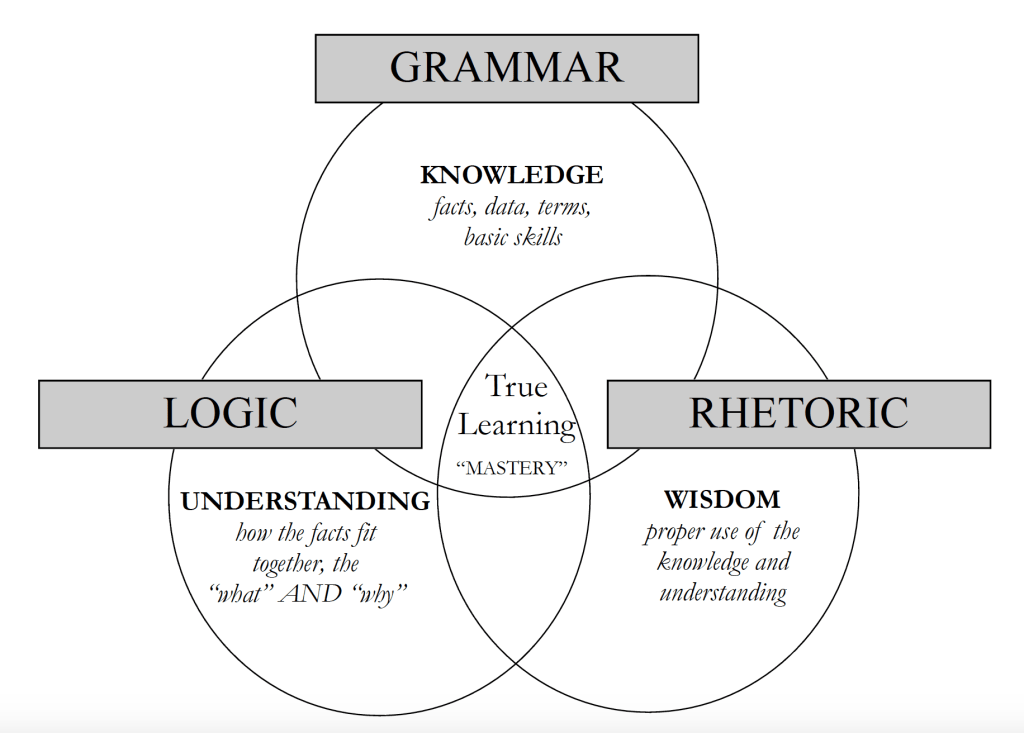
One key aspect of Classical education is its curriculum structure. It follows a three-stage model known as the Trivium: Grammar, Logic (or Dialectic), and Rhetoric. In the Grammar stage (typically from kindergarten to fourth grade), students focus on acquiring basic facts and language skills through memorization and rote learning. During this stage, children have an incredible capacity for absorbing information effortlessly.
The Logic stage (usually from fifth to eighth grade) builds upon the foundation laid in the Grammar stage by teaching students how to think critically and reason logically. Students learn formal logic principles that help them analyze arguments, identify fallacies, and construct persuasive arguments themselves.
The final stage of Classical education is Rhetoric (typically from ninth grade onwards). Here students develop their communication skills through public speaking and persuasive writing exercises. They learn how to express their thoughts eloquently while being able to defend their ideas intelligently.
Throughout these stages, one can observe an intentional progression where each phase builds upon what was learned before it. This sequential development ensures that students receive a comprehensive education wherein they gradually acquire essential skills necessary for higher-level thinking.
Another fundamental principle of Classical education lies in its focus on classical languages such as Latin and Greek. The study of these languages allows students to delve into ancient texts in their original form, connecting them with the rich cultural heritage that has shaped our modern world. By studying classical languages, students develop a deep understanding of grammar, syntax, and vocabulary while also gaining insights into different cultures and historical contexts.
Classical education places great emphasis on reading and analyzing classic literature from various time periods and genres. Students are exposed to timeless works by authors such as Homer, Shakespeare, Austen, Dickens, and many others. Through the exploration of these literary masterpieces, students not only improve their reading comprehension skills but also gain valuable insights into human nature, morality, ethics, and the complexities of life.
In addition to literature studies, Classical education incorporates a robust curriculum in history and social sciences. Students are guided through the fascinating narratives of world history from ancient civilizations to contemporary times. They learn about significant events that have shaped humanity’s progress while developing critical thinking skills by examining different historical perspectives.
Mathematics is another core subject within Classical education. The focus here is not just on rote memorization but rather on understanding mathematical concepts deeply. Students learn logical reasoning skills through problem-solving activities that help develop their analytical thinking abilities.
Science is taught with an emphasis on hands-on experimentation and observation rather than simply memorizing scientific facts. This approach encourages curiosity in students as they explore the natural world around them through experiments conducted in science laboratories or outdoor settings.
Artistic expression is considered essential for holistic development within Classical education. From music appreciation to visual arts and performing arts like drama or dance – all are given due importance in nurturing creativity among students. Art allows individuals to express themselves freely while fostering imagination and innovation.
Physical fitness is not overlooked either; it is recognized that a healthy body leads to a healthy mind. Physical education programs encourage regular exercise habits among students along with exposing them to various sports activities fostering teamwork, discipline, and resilience.
One of the notable advantages of Classical education is its ability to cultivate critical thinking skills. By introducing students to classic texts and encouraging them to analyze complex ideas, Classical education teaches students not only what to think but also how to think. This fosters independent thought, problem-solving abilities, and the capacity for reasoned argumentation – skills that are crucial in today’s rapidly changing world.
Another significant benefit of Classical education is its focus on character development. The study of ancient virtues such as courage, justice, temperance, and wisdom instills a strong moral compass in students. These virtues become guiding principles that shape their behavior and decision-making throughout their lives.
Classical education also nurtures a love for lifelong learning. By exposing students to the wonders of literature, history, art, mathematics, science, and philosophy – all approached with curiosity and passion – it ignites a desire within them to continue seeking knowledge long after formal schooling ends.
While Classical education has gained popularity among parents seeking alternative schooling options for their children today, it is not without its critics. Some argue that it places too much emphasis on rote memorization or neglects modern technological advancements. However, proponents argue that by providing students with a solid foundation grounded in timeless principles of truth and beauty while equipping them with critical thinking skills necessary for adapting in our ever-changing world – Classical education prepares individuals who can navigate any challenge they encounter.
In conclusion, Classical education offers an alternative approach that seeks to develop well-rounded individuals equipped with critical thinking skills rooted in timeless wisdom. It emphasizes core subjects like literature, history,
mathematics,
science,
and languages alongside fostering artistic expression physical fitness character development.
By incorporating the Trivium model along with an intentional progression through different stages of learning,
Classical education aims
to provide students
with a comprehensive
education that will serve
them throughout their lives.
While it may not be suitable for everyone,
Classical education offers a unique and valuable educational experience that cultivates a love for learning, nurtures critical thinking skills, and shapes individuals into well-rounded citizens of the world.
 Alternative Amie
Leave a comment