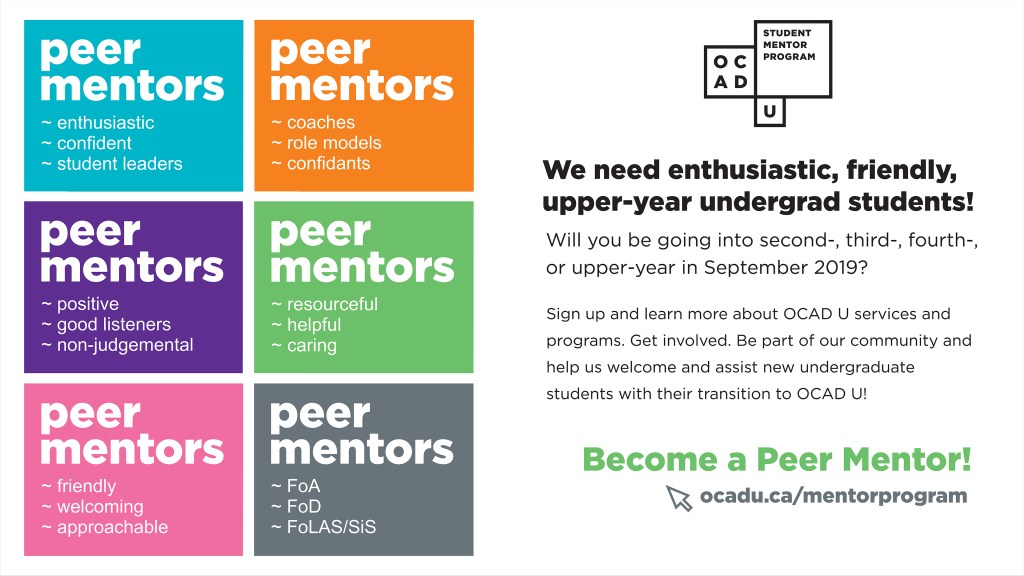
Peer mentoring programs have become increasingly popular in educational settings as they offer numerous benefits for both mentors and mentees. These programs are designed to foster positive relationships, enhance academic performance, and promote personal growth. Here are some common types of peer mentoring programs that have proven to be effective in alternative schooling and education.
1. Academic Peer Mentoring: This type of program focuses on improving academic performance by pairing students with peers who excel in specific subjects or areas. Mentors provide guidance and support, helping their mentees develop study skills, understand complex concepts, and set goals for academic success.
2. Social-Emotional Peer Mentoring: This program aims at promoting emotional well-being among students. It pairs mentees with older peers who can serve as role models and confidants. The mentors offer a listening ear, guidance on managing stress or conflicts, and strategies for developing healthy relationships.
3. Transition Peer Mentoring: Transitioning from one educational level to another can be challenging for students. This program helps ease the transition by connecting incoming students with experienced peers who have already gone through similar experiences. Mentors provide advice on navigating new environments, coping with changes, and finding resources within the school community.
4. Career/College Peer Mentoring: As students approach graduation or explore potential career paths, having access to someone knowledgeable can be invaluable. In this type of program, mentors help mentees identify career interests or college options based on their strengths and aspirations. They assist with applications, share personal experiences about college life or the workforce, and provide valuable insights into different professions.
5. Special Needs Peer Mentoring: Students with special needs often face unique challenges in mainstream educational settings but benefit greatly from inclusive peer support systems. These programs pair them with compassionate mentors who create a safe environment while fostering understanding and acceptance among all students.
Regardless of the specific focus area, successful peer mentoring programs incorporate regular meetings between mentors and mentees where they can discuss goals, evaluate progress, and provide ongoing support. These programs generally have trained facilitators to ensure the effectiveness of the mentoring relationships.
Peer mentoring programs offer a range of benefits such as improved academic performance, increased confidence, enhanced social skills, and reduced feelings of isolation. They also foster empathy, leadership skills, and a sense of community within alternative schooling environments. As more schools recognize the value of peer mentoring, these programs continue to evolve and adapt to meet the diverse needs of students.
 Alternative Amie
Leave a comment