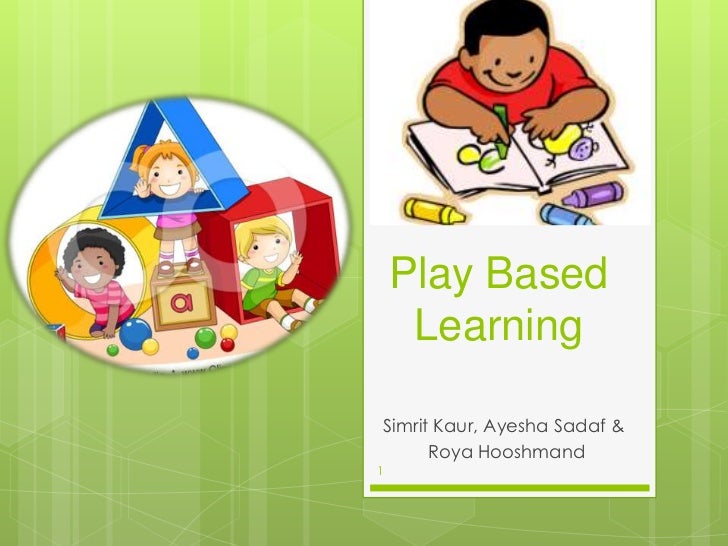
Learning through Play: A Powerful Tool for Alternative Education
In traditional educational settings, learning is often seen as a structured and rigid process. However, alternative schooling and education approaches recognize that children have a natural inclination to learn through play. This form of experiential learning not only enhances cognitive development but also promotes creativity, problem-solving skills, and social interaction.
1. What is play-based learning?
Play-based learning refers to an approach where children engage in activities that are self-directed and intrinsically motivated. It allows them to explore their interests, make choices, and take risks in a safe environment. By engaging in open-ended play experiences, children develop essential skills such as critical thinking, imagination, communication, collaboration, and resilience.
2. Encouraging curiosity
One of the key benefits of play-based learning is its ability to foster curiosity in children. When given the freedom to explore their surroundings or engage with various materials and toys, they become naturally curious about how things work. This curiosity drives them to ask questions and seek answers independently.
3. Active engagement
Unlike passive listening or memorization-focused methods used in traditional education systems, play-based learning actively engages children in the learning process. They become active participants rather than passive recipients of information. Through hands-on experiences and experimentation during playtime, they gain a deeper understanding of concepts.
4. Developing social skills
Play provides an excellent platform for developing crucial social skills such as cooperation, negotiation, empathy, sharing, turn-taking, conflict resolution – skills that are vital for success both within educational environments and later life situations.
5. Emotional development
Emotions often come into play during childhood interactions with peers while playing together – joy when achieving something together or frustration during conflicts over sharing resources or differing opinions on game rules. These emotional experiences help children navigate complex feelings effectively while building emotional intelligence.
6. Problem-solving abilities
While engaged in imaginative scenarios or constructing elaborate structures using blocks or puzzles, children encounter challenges that require problem-solving skills. They learn to think critically, evaluate options, experiment with different approaches, and persevere until they find a solution.
7. Creativity and imagination
Play-based learning nurtures creativity by encouraging children to think outside the box and explore alternative possibilities. Whether it’s role-playing scenarios or building something from scratch using loose parts, play stimulates their imagination and allows them to express themselves in unique ways.
8. Flexibility and adaptability
In an ever-changing world, adaptability is a crucial skill for success. Play-based learning helps children develop flexibility as they constantly encounter new situations during playtime. Adapting their strategies or adjusting their responses based on changing circumstances becomes second nature.
9. Intrinsic motivation
Motivation plays a vital role in the learning process. When children are intrinsically motivated through play, they become actively engaged learners who take ownership of their education journey without external rewards or pressures.
10. Individualized learning
Alternative education systems often focus on personalized learning experiences tailored to each child’s unique needs and interests. Play-based learning offers flexibility for educators to design activities that cater specifically to individual strengths, weaknesses, and preferences while ensuring holistic development.
11. Bridging gaps between subjects
Traditional education often compartmentalizes subjects into separate silos; however, play can bridge these gaps seamlessly by integrating multiple disciplines into one activity or project – fostering interdisciplinary thinking early on.
12. Long-term impact
Research has shown that the benefits of play-based learning extend beyond childhood years into adulthood – enhancing creativity, problem-solving skills, emotional intelligence, collaboration abilities – all essential skills for success in career paths requiring innovation and adaptability.
In conclusion, alternative schooling approaches recognize the power of play as a tool for effective education delivery methods. By promoting curiosity-driven exploration through hands-on experiences within safe environments that foster social interaction and emotional development – children engage meaningfully with concepts while developing essential skills for life. Play-based learning offers a holistic and individualized approach that nurtures creativity, problem-solving abilities, adaptability, and intrinsic motivation in learners – preparing them for success in the ever-changing world.
 Alternative Amie
Leave a comment