Reggio Emilia Principles in Early Childhood Education Settings
When it comes to early childhood education, the Reggio Emilia approach is gaining popularity for its innovative and child-centered principles. Developed in the Italian town of Reggio Emilia after World War II, this approach emphasizes the importance of community involvement, collaboration, and a strong emphasis on creativity and self-expression.
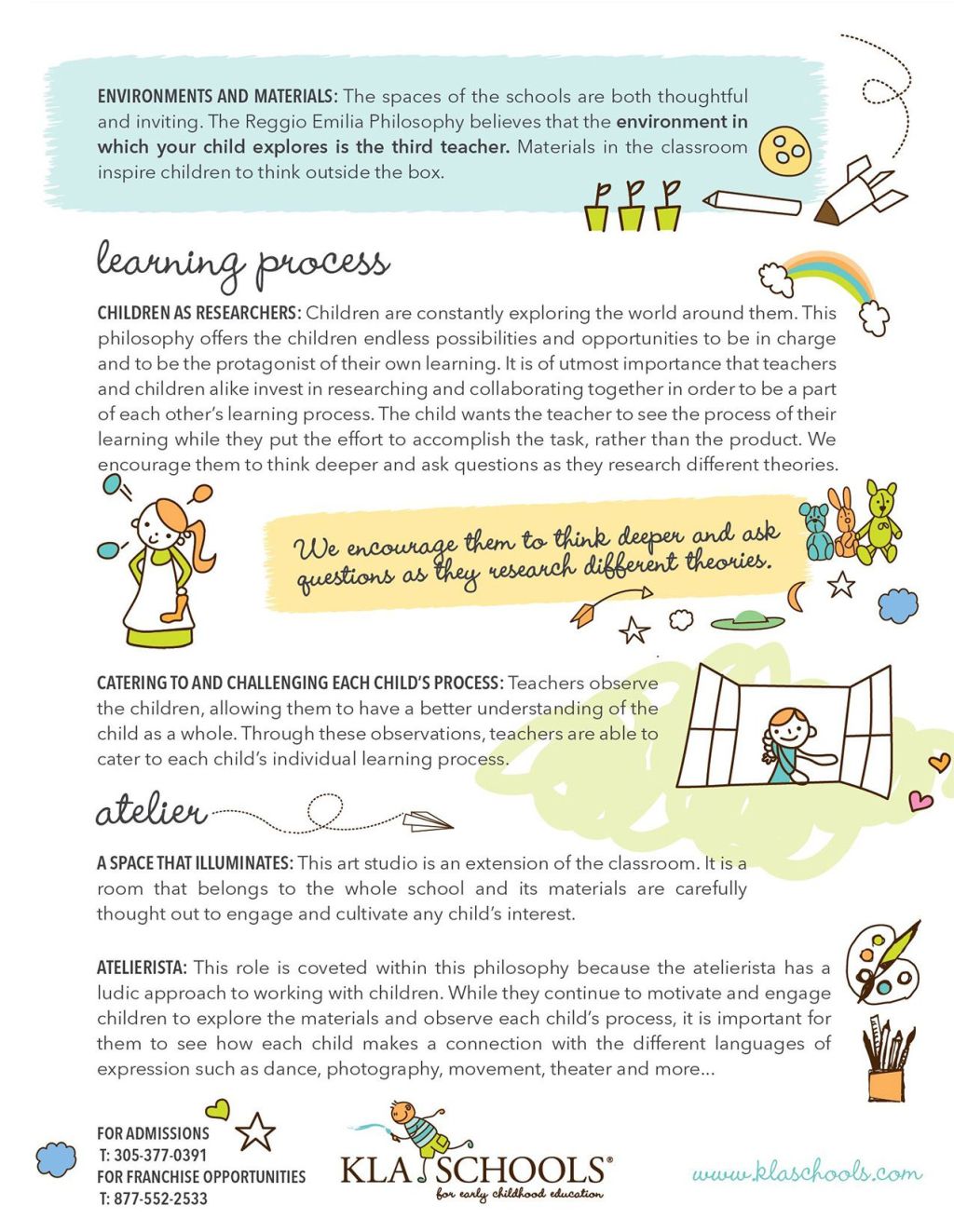
One key principle of the Reggio Emilia approach is that children are seen as competent learners who have a natural curiosity about the world around them. Teachers act as facilitators, guiding children’s exploration and encouraging their interests rather than imposing strict curriculum guidelines. This allows children to take ownership of their learning process and fosters a sense of independence.
Another important aspect of this approach is the use of open-ended materials and environments that promote imaginative play. Rather than providing preset toys or activities, educators offer a variety of materials such as blocks, art supplies, natural objects, and loose parts that can be manipulated in different ways. This encourages children to think critically, problem-solve, experiment with cause-and-effect relationships, and develop their own ideas.
In line with the belief in community involvement, teachers also make an effort to involve parents and families in their child’s education journey. Regular communication between teachers and parents helps create a supportive network where everyone works together to support each child’s unique needs. Parental input is valued, ensuring that families feel heard and included in decision-making processes.
The Reggio Emilia approach also places great importance on documentation as a tool for reflection and assessment. Teachers carefully observe children’s actions and record their thoughts through photographs, videos, notes or journals. These records help both educators and parents gain insights into each child’s development over time while providing evidence for celebrating progress or identifying areas where further support may be needed.
Overall,the Reggio Emilia approach offers an alternative perspective on early childhood education by focusing on creating engaging environments where children are encouraged to explore, create, and discover at their own pace. By valuing children’s natural curiosity and supporting their individual interests, this approach empowers young learners to become active participants in their own education journey.
 Alternative Amie
Leave a comment