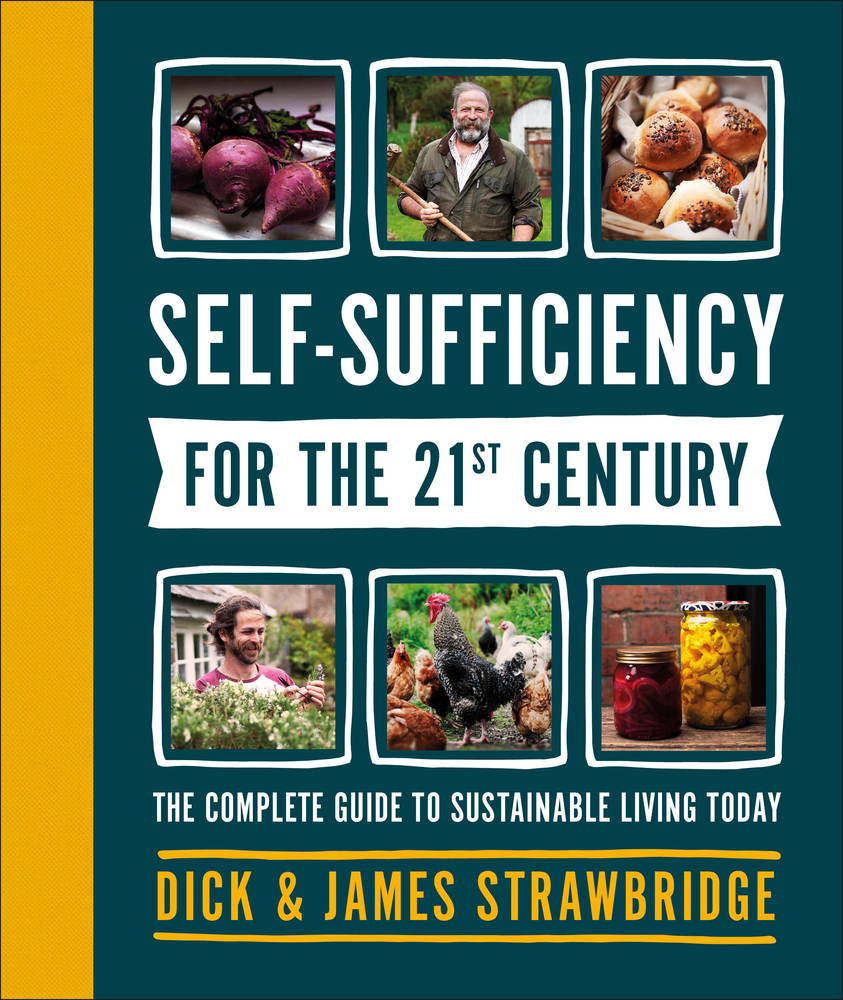
Sustainable living has become a buzzword in recent years, with everyone from celebrities to politicians touting the importance of reducing our carbon footprint and saving the planet. While these efforts are undoubtedly well-intentioned, it’s important to take a step back and examine just how practical and effective sustainable living really is.
One cornerstone of sustainable living is the idea of being self-sufficient by growing your own food. This may sound idyllic, but let’s be realistic here: how many people have the time, resources, and knowledge to maintain a thriving garden? Not to mention that gardening requires ample space, which is often lacking in urban areas where most people live. So unless you’re willing to give up your day job to become a full-time farmer or move out into the countryside, this aspect of sustainable living seems rather unattainable for the average person.
Another popular notion within sustainable living circles is composting. Advocates argue that by composting our organic waste instead of sending it to landfills, we can reduce greenhouse gas emissions and create nutrient-rich soil for our gardens. While this idea sounds great in theory, in practice it can be quite inconvenient. Composting requires regular maintenance and proper ratios of greens (nitrogen-rich materials) and browns (carbon-rich materials). It also attracts pests like flies and rodents if not managed properly. Additionally, not everyone has access to outdoor space for composting or even enough organic waste to make it worth their while.
Then there’s the push towards renewable energy sources as part of sustainable living. Solar panels are often hailed as a solution for reducing reliance on fossil fuels; however, they come with their own set of challenges. The cost of installing solar panels can be prohibitive for many households, even with government incentives or financing options available. Furthermore, solar power generation relies heavily on sunlight availability which may vary depending on geographical location or weather conditions – rendering them less effective in certain areas. And what about the production and disposal of solar panels themselves? The manufacturing process can be resource-intensive, involving the use of toxic materials and generating waste.
One aspect of sustainable living that is often overlooked is the impact on our social lives. Sustainable living often promotes minimalism and reducing consumption, which means cutting back on material possessions and luxuries. While this may be a noble pursuit, it can also lead to feelings of deprivation or isolation. Let’s face it, humans are social creatures who enjoy indulging in creature comforts from time to time. By constantly preaching self-restraint and sacrifice, sustainable living inadvertently discourages people from enjoying life’s pleasures – whether that be dining out at a nice restaurant or splurging on a new gadget.
Furthermore, the focus on individual actions can distract us from larger systemic issues that contribute to environmental degradation. Yes, recycling your plastic bottles is important but it pales in comparison to the pollution caused by large corporations or industrial activities. By placing the burden solely on individuals, we risk diverting attention away from holding those entities accountable for their destructive practices.
Instead of promoting an all-or-nothing approach to sustainable living, perhaps we should focus on more realistic solutions that are accessible to everyone. Small steps like reducing single-use plastics or taking public transportation can make a difference without requiring drastic lifestyle changes or significant financial investments.
Ultimately, while sustainable living may have its merits in terms of raising awareness about our impact on the planet and encouraging responsible choices, it’s important not to get carried away with lofty ideals that are difficult for most people to achieve. Rather than feeling guilty for falling short of unrealistic expectations set by others’ green lifestyles, let’s strive for balance and find ways to make sustainability practical within our own lives – without sacrificing our well-being or sense of joy along the way.
 Alternative Amie
Leave a comment