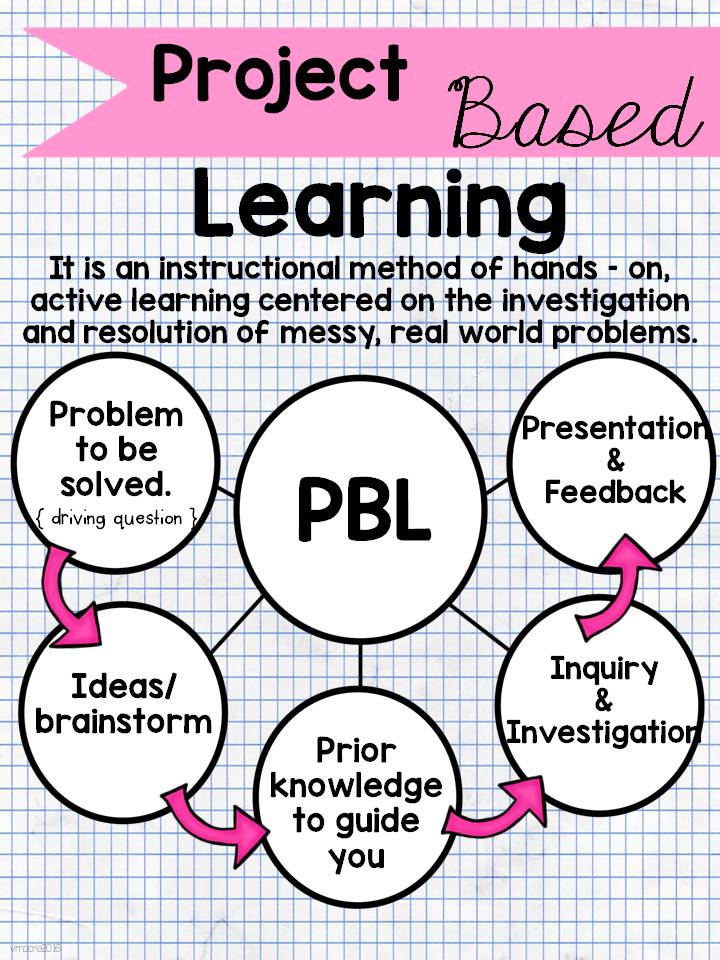
Project-based learning (PBL) is an innovative and student-centered approach to education that emphasizes active engagement, critical thinking, collaboration, and problem-solving skills. Unlike traditional classroom methods that rely heavily on lectures and rote memorization, PBL allows students to explore real-world problems or issues through hands-on projects. This style of learning not only enhances academic knowledge but also fosters the development of important life skills necessary for success in the 21st century.
In project-based learning, students are presented with a driving question or problem to solve. This question serves as the foundation for their project and drives their inquiry process. Students then engage in research, investigation, experimentation, and analysis to gather relevant information and develop possible solutions or outcomes. PBL encourages students to take ownership of their own learning by allowing them to make choices regarding how they approach the project and what resources they utilize.
One significant benefit of project-based learning is its ability to promote deeper understanding of subject matter. Instead of simply memorizing facts or formulas for a test, students actively apply their knowledge in real-life contexts. For example, instead of studying photosynthesis through textbooks alone, PBL might involve designing an experiment to grow plants under different conditions while investigating how light intensity affects plant growth.
Moreover, project-based learning encourages interdisciplinary connections by integrating multiple subjects into a single project. By exploring complex problems from various angles, students gain a more comprehensive understanding of concepts across different disciplines. For instance, a history class could collaborate with an English class to create a documentary about influential figures during a specific historical era while honing both research and communication skills.
Collaboration plays an essential role in PBL as it mirrors real-world work environments where teamwork is crucial for success. Through working together on projects that require brainstorming sessions, task allocation, communication strategies development among peers; students learn valuable interpersonal skills such as effective communication techniques and conflict resolution strategies.
Another advantage worth mentioning is that project-based learning enhances critical thinking and problem-solving abilities. Students are challenged to think critically about issues, analyze information, evaluate multiple perspectives, and develop creative solutions. These skills are invaluable in preparing students for future careers that require adaptability and the ability to solve complex problems.
Furthermore, projects often involve a final presentation or exhibition where students showcase their work to an authentic audience beyond the classroom walls. This provides an opportunity for students to develop public speaking skills while receiving feedback from experts or community members who can offer valuable insights. By presenting their projects, students build confidence in expressing themselves and sharing their ideas with others.
Additionally, project-based learning fosters intrinsic motivation by allowing students to pursue topics of personal interest. When given autonomy over their learning path, students become more engaged and invested in the project’s outcome. This leads to increased motivation and a deeper commitment to completing high-quality work.
PBL also encourages creativity as it allows room for open-ended exploration and innovation. Instead of following rigid guidelines or predetermined answers, PBL promotes out-of-the-box thinking and encourages students to come up with original ideas or approaches.
Moreover, project-based learning prepares students for real-world challenges by equipping them with practical skills they will need as adults. Through research, experimentation, data analysis, collaboration with peers; students learn how to navigate complex problems independently while developing essential life skills such as time management, organization techniques among others.
In conclusion, project-based learning is an effective educational approach that engages learners in meaningful activities while promoting critical thinking skills and fostering collaboration among peers. By connecting classroom knowledge with real-world applications through hands-on projects; PBL cultivates lifelong learners who possess the necessary skills needed for success in today’s rapidly changing world
 Alternative Amie
Leave a comment