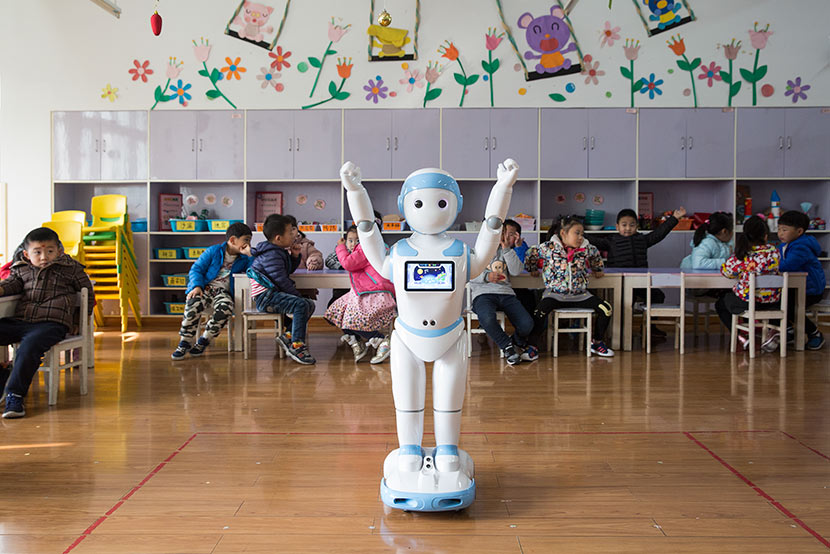
Welcome to our panel discussion on the topic of Robotics! Today, we have gathered a group of experts who will share their insights into the world of robotics and its implications for alternative schooling and education. Our panelists include Dr. Sarah Johnson, an AI researcher; Mr. James Thompson, a robotics engineer; and Mrs. Emily Collins, an educator specializing in technology integration.
Moderator: To start off, let’s talk about the role of robotics in alternative schooling and education. How can robots enhance learning experiences for students?
Dr. Sarah Johnson: Robots have great potential to engage students in hands-on learning experiences across various subjects. They offer opportunities for interdisciplinary projects that integrate science, technology, engineering, arts, and mathematics (STEAM). For example, through building and programming robots, students develop problem-solving skills while also enhancing their creativity.
Mr. James Thompson: I completely agree with Dr. Johnson’s point about problem-solving skills. Robots provide a tangible platform for students to apply theoretical concepts learned in the classroom to real-world situations. By working with robots, they learn how to think critically and approach challenges systematically.
Mrs. Emily Collins: Additionally, robots can personalize learning experiences by adapting to each student’s needs and pace of learning. This individualized approach helps cater to diverse learners within alternative schooling environments where class sizes may vary widely.
Moderator: That’s fascinating! Can you give us some specific examples of how robots are being used in alternative schools?
Dr. Sarah Johnson: Certainly! One example is using humanoid robots as language tutors or companions for language learning programs like English as a Second Language (ESL). These social robots create immersive environments where students can practice conversational skills without fear or judgment.
Mr James Thompson: Another implementation is using educational programmable robotic kits like Lego Mindstorms or Arduino-based platforms that allow students to design their own robot prototypes from scratch or solve specific challenges provided by teachers.
Mrs Emily Collins: In some alternative schools, robots are used to teach coding and computational thinking. Students learn programming languages specifically designed for robotics, enabling them to control the movements and actions of their robot creations.
Moderator: It’s clear that robotics has a wide range of applications in education. What impact does learning through robotics have on students’ engagement and motivation?
Dr. Sarah Johnson: Research suggests that incorporating robotics into the curriculum increases student engagement levels significantly. Robots provide a hands-on experience that makes learning more interactive and fun, promoting higher levels of motivation among students.
Mr James Thompson: Absolutely! When students see their code come to life as they program robots to perform specific tasks or solve problems, it boosts their confidence and encourages them to explore further. Robotics helps bridge the gap between theory and practice, making abstract concepts more tangible.
Mrs Emily Collins: Furthermore, working collaboratively on robotic projects enhances teamwork skills among students. They learn how to communicate effectively, delegate tasks, and negotiate solutions within a group setting – all valuable skills for future careers in an increasingly digital world.
Moderator: Do you think there are any challenges or concerns associated with integrating robotics into alternative schooling environments?
Dr. Sarah Johnson: One challenge is ensuring access and affordability of robotic kits or devices in schools with limited resources. However, there are open-source platforms available that can help mitigate this issue by providing low-cost alternatives.
Mr James Thompson: Another concern is ensuring teachers have adequate training to integrate robotics effectively into their teaching practices. Professional development opportunities should be provided so teachers can confidently guide students through their robotic learning journeys.
Mrs Emily Collins: Additionally, while robots offer numerous benefits in terms of engagement and personalized learning experiences, we must ensure they do not replace human interactions entirely. The balance between using technology as a tool versus relying solely on it needs careful consideration.
Moderator: That’s an important point indeed – finding the right balance between technology integration and maintaining human connections is crucial. As we conclude our discussion, what advice or suggestions do you have for alternative schools looking to incorporate robotics into their curriculum?
Dr. Sarah Johnson: Start small and gradually build up as your school gains experience with robotics. Begin with simple projects that align with existing subject areas and then explore more complex applications over time.
Mr James Thompson: Engage students in the decision-making process by allowing them to choose robotic projects they are passionate about. This will increase their investment in the learning process and foster a sense of ownership.
Mrs Emily Collins: Finally, collaborate with other schools or organizations already implementing robotics to share resources, ideas, and best practices. Building a community of educators who can support each other will be highly beneficial.
Moderator: Thank you all for sharing such valuable insights today! It’s clear that robotics has immense potential to enhance alternative schooling experiences and prepare students for the future job market where automation is becoming increasingly prevalent.
 Alternative Amie
Leave a comment