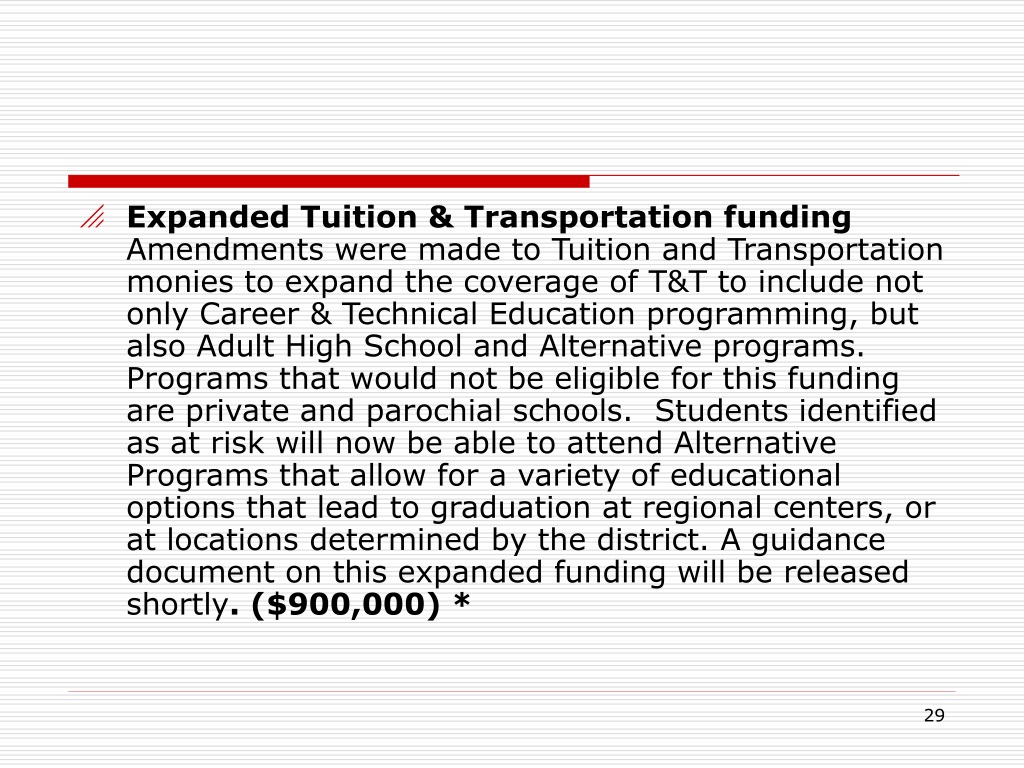
Alternative schooling programs offer unique and innovative approaches to education, catering to the diverse needs and interests of students. However, one major challenge that these programs often face is securing funding to sustain their operations and provide quality educational experiences. Fortunately, there are several funding options available for alternative schooling programs.
1. Grants: Many organizations offer grants specifically designed for alternative education initiatives. These grants can be obtained from foundations, government agencies, or non-profit organizations committed to supporting innovative educational models. Alternative schools should research and apply for relevant grant opportunities that align with their mission and goals.
2. Crowdfunding: Online platforms like Kickstarter or GoFundMe have become popular ways to raise funds for various projects, including alternative schooling programs. Schools can create compelling campaigns highlighting their unique features and educational philosophies to attract potential donors who believe in their cause.
3. Philanthropic Individuals: Some individuals are passionate about education reform and may be willing to financially support alternative school initiatives. Building relationships with such philanthropists through networking events or seeking introductions from mutual acquaintances can help secure significant financial backing.
4. Partnerships with Local Businesses: Engaging local businesses as partners can bring financial resources into an alternative school program while also providing valuable learning opportunities for students through internships or mentorship programs. In return, businesses receive positive exposure within the community.
5. Fundraising Events: Organizing fundraising events such as auctions, galas, or fun runs can generate both financial support and community engagement for an alternative school program.
6. Collaborations with Public School Districts: In some cases, public school districts may be open to collaborating with alternative schools by offering a portion of their budget or sharing facilities/resources in exchange for specific services or enrichment programs provided by the alternative school.
7. Donations from Alumni/Parents/Community Members: Alumni networks, parents of current students, or community members who value the impact of an alternative education may contribute financially towards sustaining and expanding the program.
8. Social Impact Investors: Social impact investors are individuals or organizations that seek to invest in initiatives with a social or environmental mission. Alternative schools can attract such investors by demonstrating the positive outcomes and societal benefits of their educational model.
Alternative schooling programs play a vital role in promoting creativity, critical thinking, and personalized learning for students. By exploring these funding options, alternative schools can secure financial support to continue offering innovative approaches to education while creating opportunities for students to thrive outside traditional educational settings.
 Alternative Amie
Leave a comment