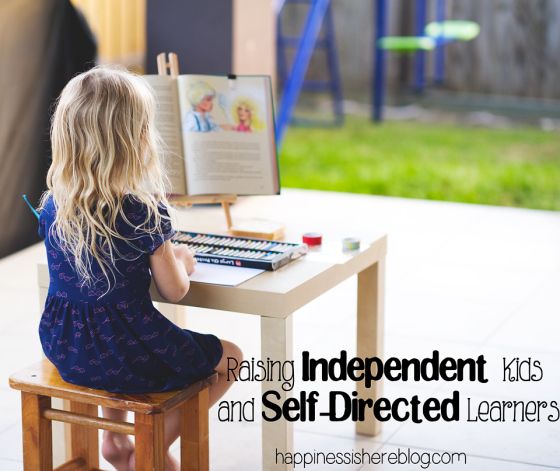
Unschooling and Career Exploration: Nurturing Passion and Independence
In the traditional education system, students are often limited to a set curriculum that focuses on academic subjects such as math, science, and literature. While this approach provides a well-rounded education, it may not always cater to the individual interests and passions of every student. This is where unschooling comes into play.
Unschooling is an alternative form of education that allows students to direct their own learning based on their interests and natural curiosity. It emphasizes self-directed learning, hands-on experiences, and real-world application of knowledge. One area where unschooling truly shines is in career exploration.
When it comes to choosing a career path, many young people feel overwhelmed by the vast array of options available. Unschooling offers a unique opportunity for students to delve deep into their passions and explore various careers from an early age. By allowing them the freedom to pursue their interests without constraints, unschooling nurtures independence while fostering creativity and critical thinking skills that are essential for success in any profession.
Let’s take a closer look at how unschooling can support career exploration:
1. Freedom to Explore: Unlike traditional schooling systems that follow a fixed curriculum, unschoolers have the freedom to choose what they want to learn about. This gives them ample time and flexibility to dive into topics related to potential careers they might be interested in pursuing.
For example, if a student shows interest in marine biology or oceanography, they can spend hours reading books about marine life or even engage in community programs focused on environmental conservation efforts near water bodies. Through these experiences, they gain hands-on knowledge that cannot be replicated within the four walls of a classroom.
2. Mentoring Opportunities: Unschoolers often have more opportunities for mentorship compared with traditionally schooled students who may only interact with teachers within structured environments. Unschooled learners can seek guidance from professionals working within fields they are passionate about.
A student interested in architecture, for instance, can connect with a local architect who may be willing to mentor them. This mentorship can provide valuable insights into the day-to-day workings of the profession, exposing the student to real-life scenarios and challenges architects face. Such interactions not only help students gain practical knowledge but also enable them to establish professional connections early on.
3. Experiential Learning: Unschooling emphasizes hands-on learning experiences that go beyond textbooks and exams. By engaging in experiential learning opportunities, students get a taste of what it’s like to work in different fields.
For example, a teenager interested in culinary arts might intern at a local restaurant or bakery. Through this experience, they learn about food preparation techniques and gain insight into the various roles within the industry. Such firsthand encounters allow unschoolers to explore different career paths and make informed decisions based on their personal experiences.
4. Pursuit of Passion Projects: Unschooling encourages students to pursue passion projects – long-term endeavors centered around their interests or hobbies. These projects provide an opportunity for deep exploration within specific areas of interest that could potentially lead to future careers.
If a student has a passion for technology and coding, they can spend hours working on software development projects or even designing websites for community organizations. These self-driven initiatives not only nurture skills relevant to potential careers but also demonstrate dedication, initiative-taking abilities, and problem-solving skills – all highly valued by employers.
5. Networking Opportunities: Traditional schooling often limits social interactions within age-restricted environments such as classrooms or school events. In contrast, unschooling allows students more freedom to interact with individuals from diverse backgrounds and age groups.
Through involvement in community programs or participating in workshops related to their passions, unschooled learners have greater exposure to professionals already established in their desired careers. Building strong networks at an early stage helps them stay updated with industry trends while opening doors to potential internships or job opportunities in the future.
6. Embracing Failure and Adaptability: Unschooling instills a growth mindset, encouraging students to embrace failure as a stepping stone towards success. By not being confined by rigid grading systems or standardized tests, unschooled learners have the space to take risks, learn from their mistakes, and adapt their approaches accordingly.
This ability to navigate through setbacks is crucial in any career journey. It cultivates resilience and a willingness to explore alternative paths if initial plans don’t work out as expected. Rather than feeling discouraged by failures, unschoolers see them as opportunities for growth and learning – an invaluable trait in today’s rapidly changing job market.
In conclusion, unschooling provides a unique platform for career exploration by allowing students the freedom to pursue their passions and interests without constraints. Through hands-on experiences, mentorship opportunities, experiential learning, passion projects, networking connections, and embracing failure as part of the learning process; unschooled learners acquire valuable skills that prepare them for successful careers rooted in their true interests.
By nurturing independence and self-directed learning abilities from an early age, unschooling equips individuals with the tools necessary to thrive in dynamic work environments where adaptability and critical thinking are highly valued. Whether it’s becoming an artist or an engineer or starting their own business venture – unschooling empowers students to follow their dreams while cultivating essential skills needed for success along the way.
 Alternative Amie
Leave a comment