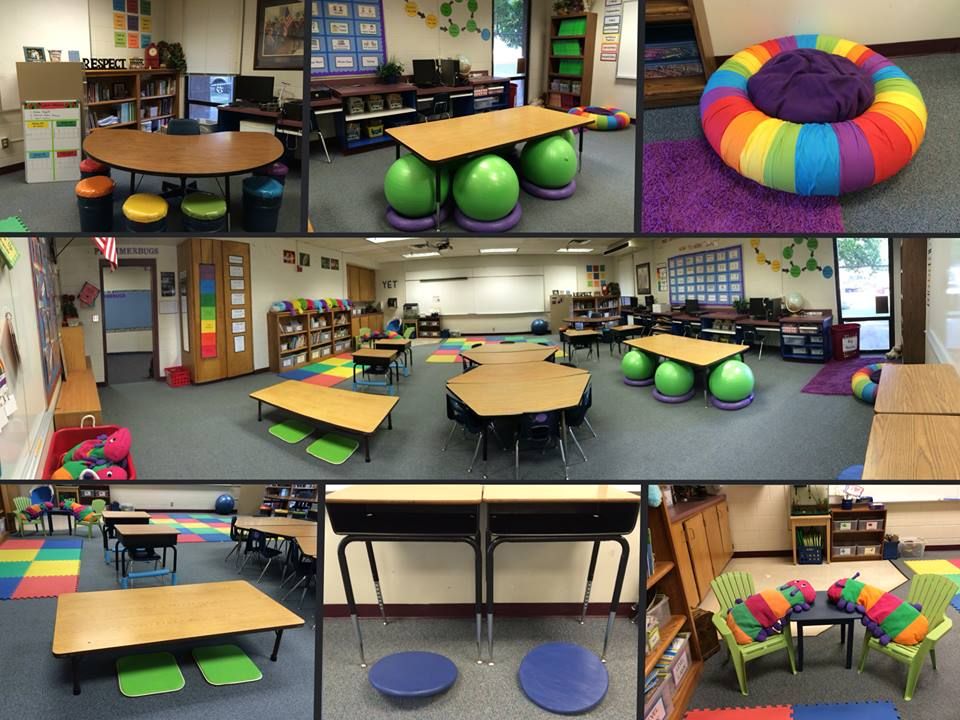
Implementing flexible seating in the classroom can have numerous benefits for both students and teachers. This approach recognizes that not all students learn best in traditional desk-and-chair setups and allows for more personalized learning experiences. Here are some steps to help you implement flexible seating in your classroom.
1. Assess your space: Start by evaluating the physical layout of your classroom. Consider how furniture can be rearranged to create different seating options, such as cozy corners with bean bags or standing desks.
2. Introduce the concept: Explain to your students why you want to incorporate flexible seating into the classroom and highlight the potential benefits, such as increased engagement and improved focus.
3. Set clear expectations: Establish guidelines for using the new seating arrangements, including rules about taking turns, respecting personal space, and keeping noise levels appropriate for learning.
4. Provide a variety of options: Offer a range of flexible seating choices to cater to different preferences and needs. This could include stability balls, floor cushions, wobble stools, or even standing desks. Remember that it’s important to have enough options available so that every student has a chance to try something different if they wish.
5. Teach responsibility: Help students understand that with freedom comes responsibility. Encourage them to take care of their chosen seat option and clean up after themselves when changing seats.
6. Monitor progress: Keep track of how flexible seating is impacting student behavior and academic performance through observation and informal assessments.
7. Seek feedback: Regularly ask students for their thoughts on flexible seating – what they like, what could be improved – so you can make adjustments accordingly.
8. Collaborate with colleagues: Share your experiences with other teachers who may also be interested in implementing flexible seating in their classrooms. Brainstorm ideas together and learn from each other’s successes and challenges.
Remember that implementing flexible seating is not a one-size-fits-all solution; it requires experimentation and adaptation based on individual student needs and classroom dynamics. However, by providing a more comfortable and flexible learning environment, you can help create a positive and engaging atmosphere that promotes student success.
 Alternative Amie
Leave a comment