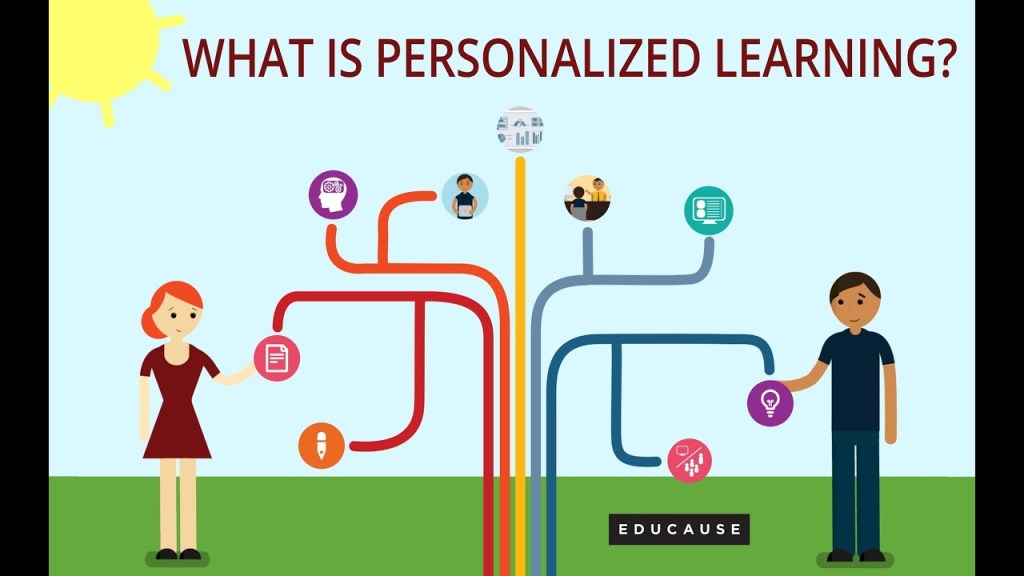
Personalized Education Plans: Unlocking the Potential of Every Student
In traditional education systems, students often find themselves in a one-size-fits-all approach to learning. However, with the rise of alternative schooling and education methods, personalized education plans have emerged as a game-changer. These tailored approaches to learning allow students to unlock their full potential by addressing their unique needs and interests. In this article, we will explore the top 10 reasons why personalized education plans are revolutionizing the educational landscape.
1. Individualized Learning: Personalized education plans focus on each student as an individual learner. By understanding their strengths, weaknesses, and learning styles, educators can design custom-made lessons that cater to their specific needs.
2. Flexible Curriculum: Unlike traditional classrooms where everyone follows a set curriculum at the same pace, personalized education plans allow for flexibility. Students can progress at their own speed and delve deeper into subjects they are passionate about.
3. Engaging Interests: Personalized education plans enable students to pursue topics that truly interest them. This not only boosts motivation but also fosters a love for lifelong learning.
4. Targeted Support: With personalized plans, teachers can identify areas where students need extra support or intervention and provide targeted assistance accordingly.
5. Mastery-Based Learning: Traditional grading systems often focus on arbitrary deadlines rather than actual content mastery. Personalized education plans prioritize competency-based assessments that ensure students understand concepts before moving forward.
6. Self-Directed Learning: Through personalized education plans, students learn how to take ownership of their learning journey by setting goals and monitoring progress themselves – valuable skills for success beyond the classroom.
7. Enhanced Collaboration: While personalization emphasizes individual growth, it does not negate collaboration opportunities altogether; instead, it encourages meaningful interactions among peers through group projects or discussions centered around shared interests.
8. Diverse Teaching Strategies: Personalization recognizes that every student learns differently; therefore, educators employ diverse teaching strategies to cater to various learning styles and preferences.
9. Emotional Well-being: By focusing on individual needs, personalized education plans can address emotional well-being more effectively. Students feel seen, heard, and supported throughout their educational journey, leading to improved mental health.
10. Real-World Relevance: Personalized education plans bridge the gap between theory and practice by incorporating real-world examples and experiences into the curriculum. This helps students understand how their learning connects to the world around them.
In conclusion, personalized education plans have transformed how we approach teaching and learning. By putting students at the center of their educational experience, these plans empower them to become active participants in shaping their own knowledge and skills. As alternative schooling options continue to grow in popularity, it is crucial that we recognize the immense value of personalized education plans in unlocking each student’s unique potential.
 Alternative Amie
Leave a comment