Individualized Instruction: Empowering Students to Reach Their Full Potential
In the traditional education system, students are often taught in large classrooms with a one-size-fits-all approach. However, this approach fails to recognize that each student has unique learning styles, interests, and strengths. As a result, many students struggle to stay engaged and fail to reach their full potential. This is where individualized instruction comes into play.
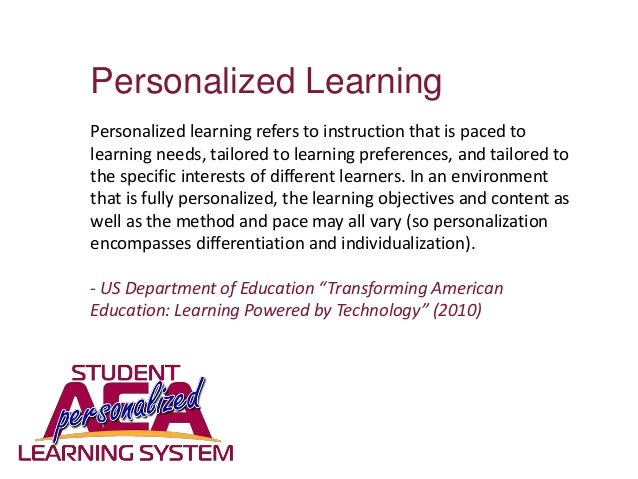
Individualized instruction is an educational approach that tailors the learning experience to meet the specific needs of each student. It focuses on recognizing and nurturing the individual strengths and weaknesses of students, allowing them to learn at their own pace and style. By providing personalized guidance and support, individualized instruction empowers students to take ownership of their learning journey.
One of the key benefits of individualized instruction is its ability to cater to different learning styles. Research has shown that individuals have distinct preferences when it comes to acquiring knowledge – some prefer visual aids like diagrams or graphs, while others excel with auditory information or hands-on experiences. By identifying these preferences, educators can tailor their teaching methods accordingly.
For instance, a student who learns best through visual means may benefit from watching videos or studying infographics as part of their lessons. On the other hand, an auditory learner might find discussions and lectures more effective for understanding concepts. By adapting teaching techniques based on individual needs, educators can create a more engaging and effective learning environment.
Furthermore, individualized instruction allows flexibility in pacing. In a traditional classroom setting where teachers must adhere strictly to curriculum timelines, some students may feel left behind or unchallenged due to variations in their learning speeds. With individualized instruction approaches such as mastery-based learning or self-paced programs, students have the freedom to progress at their own rate.
Mastery-based learning focuses on ensuring that students fully grasp a concept before moving onto the next one. This method promotes deep understanding rather than surface-level memorization by allowing students to revisit topics until they have mastered them. In contrast, self-paced programs provide students with the autonomy to set their own learning goals and work towards achieving them within a given timeframe.
By giving students control over their learning pace, individualized instruction fosters a sense of empowerment and reduces the likelihood of academic burnout. Additionally, it allows for personalized attention and support from teachers. Educators can closely monitor each student’s progress, identify areas where additional help is needed, and provide timely interventions.
Another advantage of individualized instruction is its ability to tap into students’ interests and passions. When students are allowed to explore subjects that truly captivate their attention, they become more motivated to learn. This intrinsic motivation leads to deeper engagement and better retention of information.
For example, if a student has a keen interest in art but struggles with traditional math lessons, an educator employing individualized instruction could incorporate mathematical concepts into art-related projects or find creative ways to apply math principles in artistic endeavors. By connecting learning objectives with the student’s personal interests, educators make the subject matter more relatable and meaningful.
Individualized instruction also promotes critical thinking skills by encouraging students to solve real-world problems independently. Instead of relying solely on rote memorization or following step-by-step instructions provided by teachers, students are encouraged to think critically and develop problem-solving strategies.
In this approach, educators act as facilitators rather than dictators of knowledge. They guide students through open-ended questions that prompt analytical thinking and encourage exploration beyond textbooks. By fostering independent thought processes, individualized instruction equips students with valuable life skills such as decision-making abilities and resilience in the face of challenges.
While implementing individualized instruction may require adjustments in teaching practices and resources within existing educational systems, numerous alternative schools have successfully embraced this approach. These schools often feature smaller class sizes or utilize technology tools that enable personalized learning experiences.
One notable example is Montessori education which emphasizes self-directed learning. Montessori classrooms are designed to cater to students’ individual needs and interests, allowing them to freely choose activities that align with their learning objectives. This approach not only fosters independence but also encourages collaboration and respect for others’ unique skills and talents.
In conclusion, individualized instruction is a transformative educational approach that recognizes the diverse needs of students. By tailoring teaching methods to accommodate various learning styles, pacing, interests, and strengths, educators can empower students to reach their full potential. Through personalized attention and flexible approaches, individualized instruction cultivates a love for learning and equips students with the necessary skills for success in an ever-evolving world.
 Alternative Amie
Leave a comment