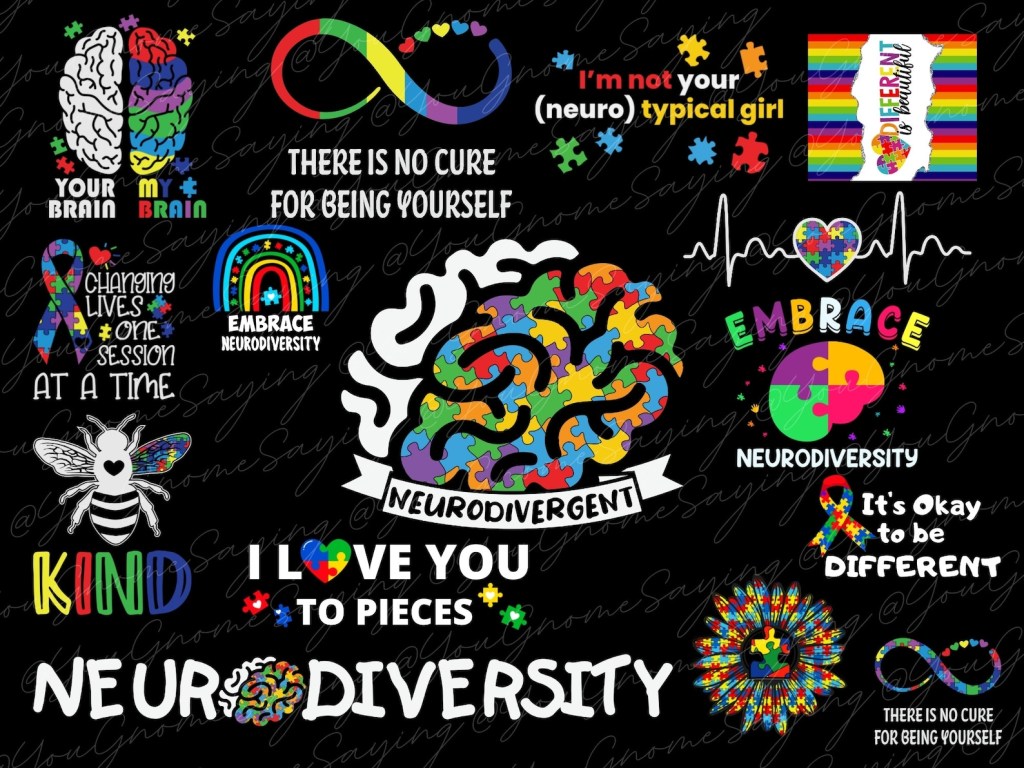
Neurodiversity and the arts: exploring talents and passions
In recent years, there has been a growing recognition of the unique talents and abilities that neurodivergent individuals possess. Neurodiversity refers to the natural variation in neurological characteristics among human beings, including conditions such as autism, ADHD, dyslexia, and other learning differences. Rather than viewing these differences as deficits or disorders, the neurodiversity movement emphasizes embracing and celebrating these diversities.
One area where neurodiverse individuals often shine is in the arts. The creative nature of artistic expression provides a space for individuals to explore their talents and passions in a way that aligns with their unique strengths. Whether it’s through visual arts, music, dance, or drama, engaging with the arts can have numerous benefits for neurodivergent students.
Firstly, participating in artistic activities can enhance self-expression and communication skills. Many neurodivergent individuals face challenges when it comes to verbal communication or expressing themselves effectively. However, through art forms like painting or sculpting, they can communicate their thoughts and emotions non-verbally. This allows them to express themselves freely without feeling limited by traditional modes of communication.
Moreover, engaging with the arts promotes social interaction and collaboration among neurodiverse students. Art classes provide opportunities for teamwork and shared experiences that foster a sense of belonging within a supportive community. By working together on group projects or performances, students learn valuable social skills such as cooperation, compromise, and empathy.
Additionally, exploring talents in the arts helps build confidence and self-esteem among neurodiverse learners. Traditional educational settings often focus heavily on academic achievements based on standardized tests or grades which may not accurately reflect an individual’s abilities or potential. However artistically inclined students may find solace in pursuing their passions outside of these conventional measures of success.
Alternative schooling systems have recognized the importance of incorporating arts into their curriculum to support neurodiverse students. These schools often offer specialized arts programs that cater to the unique needs and interests of their students. For example, some schools may have dedicated music or dance studios equipped with adaptive equipment for individuals with sensory sensitivities. These inclusive environments allow neurodivergent learners to explore their artistic talents in a safe and supportive setting.
Furthermore, alternative schooling systems also emphasize individualized learning plans that accommodate the specific needs of each student. This personalized approach allows neurodivergent individuals to focus on developing their strengths and interests, including artistic pursuits. By tailoring education to the individual, it becomes possible to unlock hidden talents and passions that might otherwise go unnoticed or unexplored in a mainstream educational setting.
It is important for educators and parents alike to recognize the value of incorporating arts into education for neurodiverse students. Providing opportunities for creative expression can help nurture talent, cultivate resilience, and promote overall well-being among these learners.
In conclusion, embracing the diversity of neurological characteristics within our educational systems is crucial for supporting the success and well-being of neurodivergent students. The arts provide a platform where these individuals can explore their unique talents and passions while developing essential skills such as self-expression, social interaction, confidence-building, and resilience. By fostering an inclusive environment that celebrates neurodiversity through art education, we can empower these learners to reach their full potential and contribute meaningfully to society.
 Alternative Amie
Leave a comment