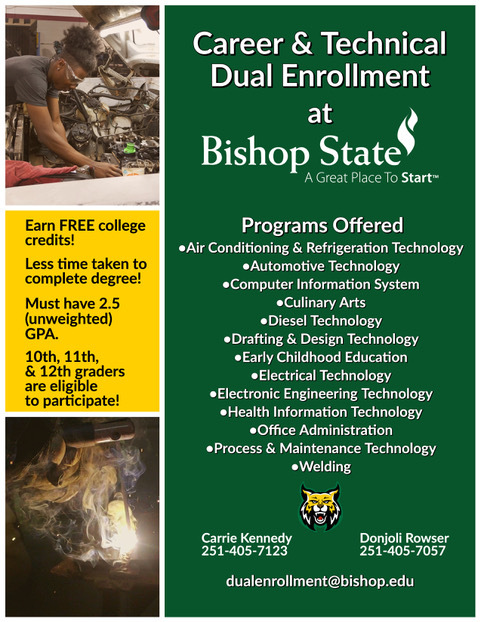
Dual Enrollment and Academic Rigor: Exploring the Benefits of Alternative Education
Introduction:
In recent years, alternative forms of education have gained popularity as students and parents seek innovative ways to enhance their educational experiences. One such approach is dual enrollment, which allows high school students to enroll in college courses while still completing their high school requirements. This unique opportunity offers numerous benefits, including academic rigor, advanced learning, college preparedness, and personal growth. In this article, we will delve into the concept of dual enrollment and its role in providing a challenging yet rewarding academic experience for students.
Understanding Dual Enrollment:
Dual enrollment programs enable high school students to simultaneously earn credits towards both their high school diploma and post-secondary education. While specific program structures may vary across states or schools, the fundamental principle remains consistent: allowing young learners access to college-level coursework before they graduate from high school.
Academic Rigor at Its Best:
One of the most significant advantages of dual enrollment is that it provides an unparalleled level of academic rigor for motivated students. By engaging with college-level material while still in high school, these individuals are exposed to more complex subject matter than what traditional secondary education typically offers.
College courses demand higher levels of critical thinking, independent research skills, time management abilities, and problem-solving capabilities compared to standard high school classes. Dual enrollment not only challenges students academically but also helps them develop vital skills necessary for success in higher education institutions.
Advanced Learning Opportunities:
Dual enrollment programs offer a wide range of subjects that extend beyond what is traditionally available within high schools. Whether it be STEM (Science Technology Engineering Mathematics), humanities or fine arts courses – these programs cater to diverse interests while encouraging intellectual exploration.
The ability to choose from a variety of subjects allows students to pursue their passions early on while giving them a head start when selecting majors or career paths later on. Exposure to advanced learning opportunities through dual enrollment can ignite curiosity and inspire lifelong learning habits in students.
College Preparedness:
As high school students engage with college-level coursework, they become better prepared for the academic challenges that await them in higher education. By experiencing the rigor and expectations of college courses firsthand, dual enrollment participants acquire a deeper understanding of what will be expected from them as full-time college students.
Furthermore, dual enrollment allows young learners to adapt to the transition from high school to college more seamlessly. They gain familiarity with campus environments, interact with professors, utilize library and research resources, and become comfortable navigating university systems – skills that their non-dual enrolled peers may lack initially.
Personal Growth and Development:
Beyond just academic benefits, dual enrollment fosters personal growth among participating students. The experience of attending classes on a college campus alongside older peers provides opportunities for increased self-confidence and maturity. Dual enrollment also aids in developing time management skills as students balance rigorous coursework alongside their regular high school responsibilities.
Moreover, interacting with diverse groups of individuals within a collegiate setting broadens perspectives and encourages social growth. Students learn how to effectively communicate with professors and classmates who bring different backgrounds, experiences, viewpoints into academic discussions – an invaluable skill for success both inside and outside the classroom.
Conclusion:
Dual enrollment programs offer an alternative pathway that promotes academic rigor while simultaneously providing numerous other advantages. From advanced learning opportunities to improved college readiness skills and personal growth experiences – this approach enriches traditional education by exposing motivated high school students to challenging coursework at an earlier stage.
By embracing dual enrollment options within our educational institutions across the country, we can nurture intellectual curiosity while preparing young minds for future success. As more schools adopt these programs or expand existing ones, it is essential to recognize their potential impact on shaping well-rounded individuals ready to face the challenges of higher education head-on.
 Alternative Amie
Leave a comment