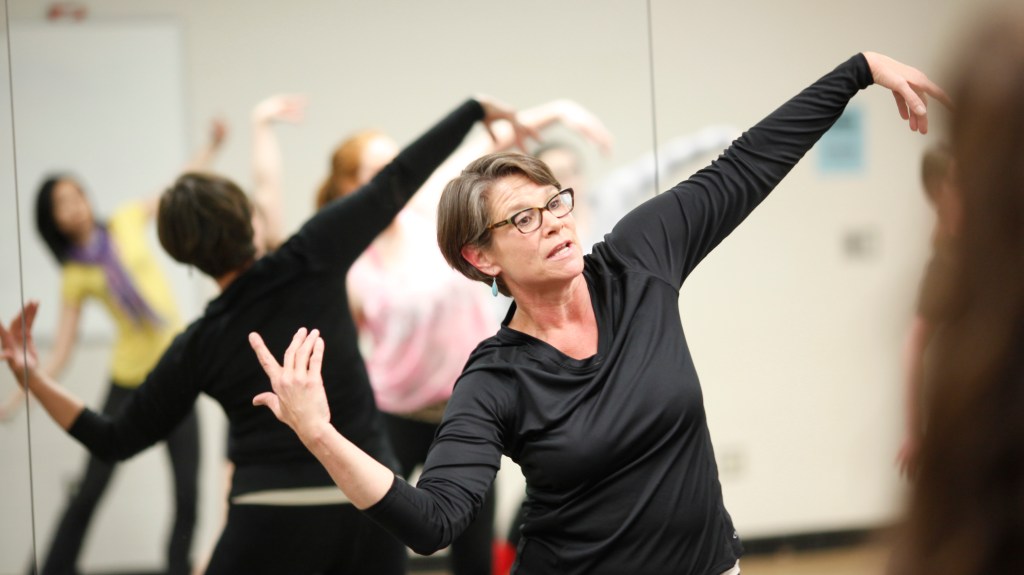
Dance is a powerful form of expression that can be both creative and therapeutic. It allows individuals to communicate their emotions, ideas, and stories through movement. Beyond its artistic aspects, dance also offers numerous benefits for individuals of all ages, making it an ideal activity to incorporate into alternative schooling and education.
One of the key advantages of dance is its ability to enhance physical fitness. Dancing involves various movements that require strength, flexibility, coordination, and endurance. Regular participation in dance classes or workshops helps improve cardiovascular health, muscular strength, and overall body awareness. This aspect makes it an excellent form of exercise for children who may not enjoy traditional sports or physical activities.
Moreover, dance encourages creativity and self-expression. Through various styles such as ballet, contemporary, hip-hop or even freestyle improvisation; students have the freedom to explore their own unique movement vocabulary while learning fundamental techniques. This fosters imagination and allows students to develop confidence in expressing themselves creatively.
In addition to these individual benefits, dance also promotes social interaction and teamwork. Group classes provide opportunities for students to collaborate with others towards a common goal – whether it’s learning a choreography or performing on stage together. This cooperative environment nurtures important skills like communication, cooperation, trust-building and problem-solving.
Furthermore, research has shown that dancing has positive effects on cognitive development. Learning complex choreographies stimulates the brain by improving memory retention skills as well as boosting concentration levels. Additionally,dance requires students to focus on rhythm patterns and coordinate movements with music which enhances auditory processing abilities.
Lastly but certainly not least importantly,dance is known for its ability to reduce stressand anxiety.It serves as an outlet for emotional release,enabling individuals todetach from daily pressuresand immerse themselves in the present moment.The combination of physical activity,music,and rhythmic motion triggersa natural releaseof endorphinswhichpromotehappinessandwell-being.Dancetherapistsalso usethis mediumto assistindividuals dealing with mental health issuesas a form of expressive therapy.
Incorporating dance into alternative schooling and education can provide students with a well-rounded approach to learning. It offers physical, emotional, social, and cognitive benefits, all while fostering creativity and self-expression. Whether it’s through structured classes or casual workshops, including dance as part of the curriculum can help students develop important life skills that extend beyond the studio floor.
 Alternative Amie
Leave a comment