Picture this: you’re sitting in a classroom, anxiously awaiting the results of your latest test. Your palms are sweaty, your heart is racing, and you can’t help but feel a pit forming in your stomach. Will you pass? Or will you have to endure the dreaded F on your report card?
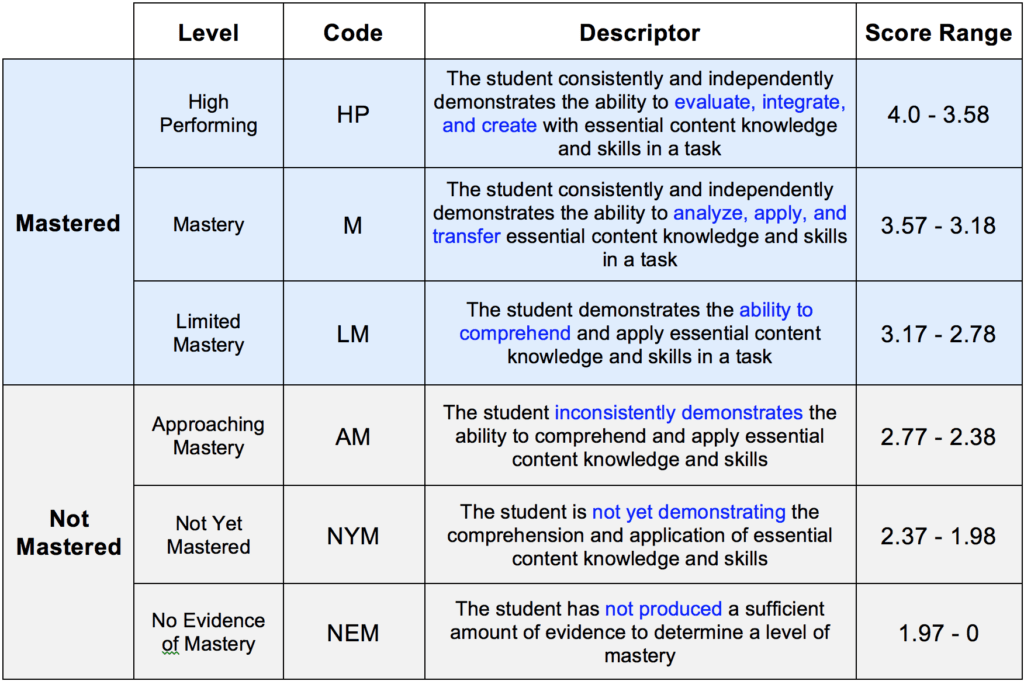
Well, fear not my friends, because there’s a new grading system in town that takes away all those worries and replaces them with cheers of joy and high-fives all around. Enter mastery-based grading. What is it exactly? It’s a revolutionary approach to assessing student progress that focuses on…well, mastery.
In traditional grading systems, students are often judged based on their performance at one given point in time. But let’s be honest here – we’ve all had those off days where our minds go blank or we just can’t seem to grasp a certain concept. And yet, that one momentary lapse can determine our entire grade for the semester.
Mastery-based grading flips the script by allowing students multiple opportunities to demonstrate their understanding of a concept or skill. Rather than being penalized for making mistakes along the way, students are encouraged to learn from them and keep trying until they truly master the material.
Imagine if life worked this way too? Forget about failing your driver’s license test three times – under mastery-based grading rules, you’d simply get more practice until parallel parking became second nature (or maybe even third nature).
But it’s not just about giving students endless chances without consequences; it’s about providing targeted feedback and support so they can actually improve their understanding of a subject. Teachers become coaches who guide students through their learning journey instead of gatekeepers who slam doors shut after one misstep.
And speaking of missteps, let me tell you about another wonderful aspect of mastery-based grading: no more cramming for exams! With this approach, there aren’t any last-minute memorization sessions or sleepless nights spent trying to cram an entire textbook into your brain. Instead, students are encouraged to learn at their own pace and truly understand the material before moving on.
This not only leads to deeper learning but also fosters a love for knowledge itself. Students no longer see education as a race to the finish line but rather as a continuous journey of discovery and growth. And isn’t that what education should be all about?
Of course, there will be skeptics who argue that mastery-based grading doesn’t prepare students for the real world where deadlines and high-pressure situations exist. But let’s think about it – does receiving a single grade at the end of a semester really mirror the complexities of life? No, my friend, it does not.
In reality, we are constantly faced with challenges and opportunities for growth throughout our lives. We don’t just get one shot at success; we have multiple chances to learn from our mistakes and improve ourselves. Mastery-based grading reflects this reality by teaching students resilience, persistence, and self-reflection – skills that are far more valuable than any letter grade.
So here’s to mastery-based grading: an approach that levels the playing field, encourages true understanding, and nurtures lifelong learning. It may take some time for traditionalists to fully embrace this new way of assessing student progress, but hey, Rome wasn’t built in a day either (or so they say). Let’s give it a chance and watch as our educational system transforms into something truly remarkable. Cheers!
 Alternative Amie
Leave a comment